A family holiday to France has long been a favourite option for UK holidaymakers because of the variety within a country that’s relatively easy to reach. You can spend a few days exploring the streets and museums of Paris, head south to the Mediterranean for sunshine and swimming, or escape to the countryside for a camping holiday surrounded by beautiful scenery. With excellent rail connections, family-friendly campsites and plenty of opportunities for adventure, it’s a destination that works for all ages.
The challenge is deciding what to do, where to stay and how to fit everything together without turning the planning into a job in itself. The secret is to choose a holiday that suits your family, get the important details organised early and leave enough room for unexpected discoveries along the way. Here are some practical ways to plan a family holiday to France without feeling overwhelmed.
Table of Contents
Decide which part of France is right for your family
The first decision is where to go. France is a large country, and the experience of a holiday in Brittany is very different from a trip to the French Riviera or the Alps. Rather than trying to see everything in one visit, think about what your family most enjoys doing together.
For beaches and outdoor adventures, Brittany and Normandy are relatively easy to reach from the UK and offer sandy beaches, coastal walks, historic towns and excellent seafood. The Dordogne is wonderful for canoeing, riverside picnics, medieval villages and exploring castles, while the Loire Valley is a good choice for cycling, grand châteaux and countryside adventures.

If sunshine and Mediterranean beaches are what you’re after, the south of France offers a completely different atmosphere. Nice makes a great base for exploring the French Riviera, while Marseille combines a lively city with access to beaches, boat trips and the spectacular Calanques National Park.
Paris is an obvious choice for a city break, especially if your family loves museums, landmarks and big-city adventures. You could spend several days there before travelling south by train, or combine a city stay with a more relaxed few days at a campsite or seaside resort.

Take the ferry from the UK for a classic French road trip
If you’re planning to explore France by car, taking a ferry across the Channel is a brilliant way to start your holiday. Routes from Dover to Calais or Dunkirk are particularly useful for reaching northern and eastern France, while crossings from Portsmouth or Poole to destinations such as Caen, Cherbourg or Saint-Malo can work well if you’re heading to Normandy, Brittany or further south.
The best crossing depends on where you’re going and how much time you have. A shorter crossing can be convenient if you’re keen to get on the road, while a longer sailing may allow you to relax, eat something and enjoy the feeling of beginning your holiday before you even arrive.
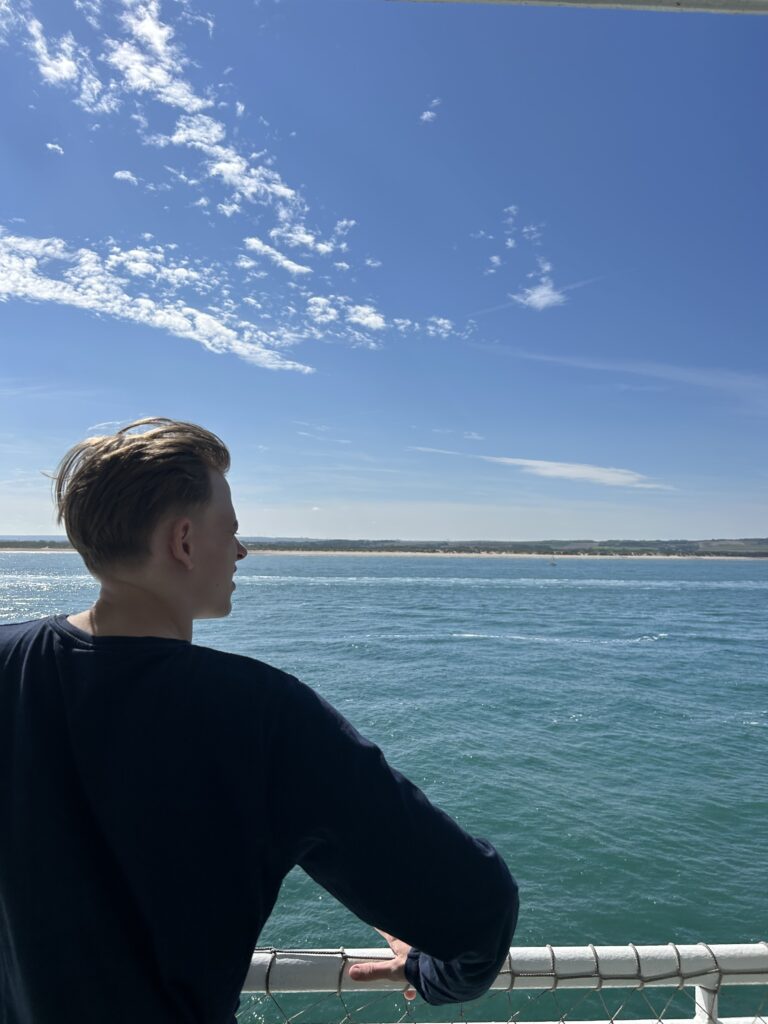
Travelling with your own car means you can pack beach equipment, bikes, walking boots and all the extras that can make family travel easier. It also gives you flexibility when visiting smaller villages, rural attractions and campsites that aren’t always easy to reach by public transport.
Remember to factor the crossing into your overall budget, including any cabin upgrades, meals and fuel. During school holidays, booking ahead is sensible, particularly if you need a specific departure time. Check your route carefully, too: driving distances in France can be longer than they look on a map, and toll roads can add to the cost.
For families who enjoy exploring at their own pace, a ferry-and-car holiday can be a wonderfully flexible way to discover France.
Explore Paris, Marseille and Nice by train
One of the great things about France is that you don’t necessarily need a car to have an adventurous family holiday. The rail network makes it possible to combine some very different destinations, and travelling by train can be part of the fun.
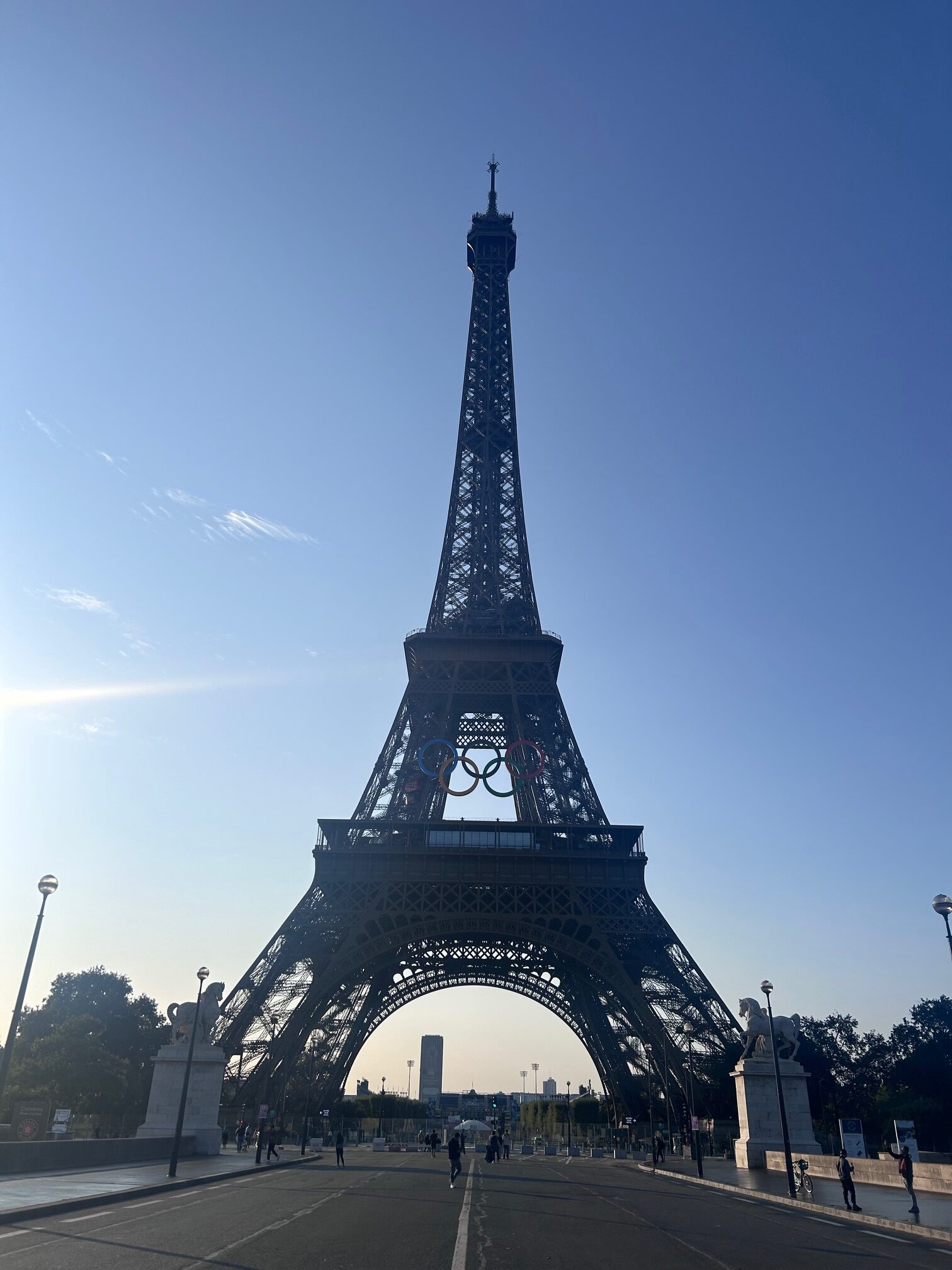
Paris is a natural starting point, especially if you’re travelling from London on Eurostar. Give yourselves time to enjoy the city rather than rushing through a list of landmarks. You could visit the Eiffel Tower, explore the banks of the Seine, spend time in a museum or simply wander through different neighbourhoods, stopping for pastries and hot chocolate along the way.

From Paris, you can travel south to Marseille, a lively Mediterranean port city with a fascinating mix of cultures, colourful markets and a waterfront full of boats. The Vieux-Port, or Old Port, is a great place to start exploring, while a boat trip into the Calanques offers the chance to see dramatic limestone cliffs and turquoise water. If you visit during the warmer months, plan ahead for beach time and check access arrangements for the Calanques, as some areas can have seasonal restrictions due to fire risk.
Continue east to Nice and you’ll find a very different atmosphere. The city’s famous Promenade des Anglais runs alongside the Mediterranean, while the old town is full of narrow streets, cafés and colourful buildings. Nice is also a useful base for exploring other places along the Riviera, including Antibes, Cannes and Monaco, with many journeys possible by regional train.
You could spend a few days in each city, travelling between them by train rather than worrying about parking and driving in unfamiliar places. Do check journey times and book high-speed services in advance where appropriate, particularly in busy holiday periods.
If you’re travelling with children, keep luggage manageable and avoid scheduling a major sightseeing day immediately after a long journey. A little breathing space makes a multi-stop holiday much more enjoyable.
Consider a night train for a different kind of adventure
For families who want to cover more ground without losing a whole day to travelling, an overnight train can be an exciting option. France has night train services on selected routes, including connections from Paris towards parts of the south and south-west, although routes, stopping patterns and timetables vary.
Instead of spending the day travelling, you can board in the evening, settle into your couchette and wake up somewhere new. For children and teenagers, the experience of sleeping on a train can be a highlight in itself, and it adds a sense of adventure to the journey.

Night trains can also help you make better use of your holiday time, particularly if you’re combining Paris with destinations further south. However, it’s worth checking the practicalities before booking. Sleeping arrangements vary, availability can be limited during school holidays, and you’ll need to think about how everyone will manage luggage and share the space.
Book early if you want to travel as a family in the same compartment, and check the arrival time carefully so you know whether you’ll be able to leave your luggage somewhere before checking into your accommodation.
It’s also worth comparing the total cost with daytime rail travel, including the price of your accommodation. An overnight journey can save you a hotel night, but it isn’t automatically the cheapest option.
Why camping is such a family favourite in France
If there’s one type of holiday that deserves serious consideration for families visiting France, it’s camping. French campsites are often much more than somewhere to pitch a tent. Many have swimming pools, playgrounds, sports facilities, restaurants, children’s activities and evening entertainment, making them destinations in their own right.
You can choose anything from a simple campsite in the countryside to a large holiday park with water slides and organised activities. Mobile homes and fully equipped safari tents are popular options for families who like the outdoor atmosphere but don’t necessarily want to bring all their own equipment.
Camping in France can also help make a family holiday more affordable. Having a kitchen means you can prepare breakfast, make packed lunches and enjoy relaxed dinners on the terrace, while children have space to play and make friends. Many campsites are close to beaches, cycling routes, lakes or villages, so there’s plenty to do without having to drive long distances every day.

There are some practical things to consider before booking. Look carefully at the campsite’s location, the facilities included in the price and whether extras such as bed linen, towels, air conditioning or pool access cost more. Check how far you are from shops and restaurants, too, particularly if you won’t have a car.
For a summer holiday, it’s wise to book early, especially if you’re travelling during the UK school holidays or want a particular type of accommodation. And don’t assume every campsite is the same: some are peaceful, nature-focused places, while others are busy holiday resorts with entertainment running throughout the day.
One of the best things about camping in France is the relaxed pace. You can spend the morning at the pool, head out for a picnic or a cycle ride in the afternoon and finish with a simple meal outside. Sometimes those uncomplicated days turn out to be the ones everyone remembers most.
Get your travel plans organised before you leave
Once you’ve chosen your destination and booked your main transport and accommodation, take a little time to bring all your information together. If you’re combining cities, for example, you’ll want train tickets, hotel details, campsite bookings, directions and activity reservations readily available rather than scattered across different emails.
Setting up a dedicated secure email account for your travel plans can make organising a family holiday much easier. You can use it to keep booking confirmations, accommodation details, train tickets and car hire information together, rather than having everything scattered across your everyday inbox. A privacy-focused provider such as Proton Mail is worth considering if you’d like to keep your holiday correspondence separate and choose an email service with a focus on privacy.
It’s also helpful to create a simple itinerary with your travel dates, addresses, check-in times and the key things you’ve booked. You don’t need to plan every hour, but having the essentials in one place can be reassuring when you’re travelling between destinations.
Download tickets, maps and important booking details so you can access them offline, especially if you’re arriving late at night or travelling through areas where mobile coverage may be patchy. Keep sensitive documents secure, make sure your travel insurance details are accessible and check whether your mobile phone plan includes data in France.
A little preparation now can make the journey much calmer, particularly when you’re responsible for several family members and their luggage.

Don’t forget the practical details of driving in France
If you’re taking your own car, spend a little time checking the requirements before you travel. Make sure your driving licence, vehicle documents and insurance are in order, and check the current French rules about required safety equipment and any environmental restrictions that may apply to the cities you’re visiting.
France’s motorways can make longer journeys easier, but many routes have tolls. Keep a payment card handy, allow for rest stops and consider whether a slower route through the countryside might be more enjoyable if you’re not in a hurry.
If you’re driving an electric car, plan charging stops in advance and check which charging networks are available along your route. For families with children, having snacks, water, entertainment and a few planned breaks can make a long journey much more manageable.
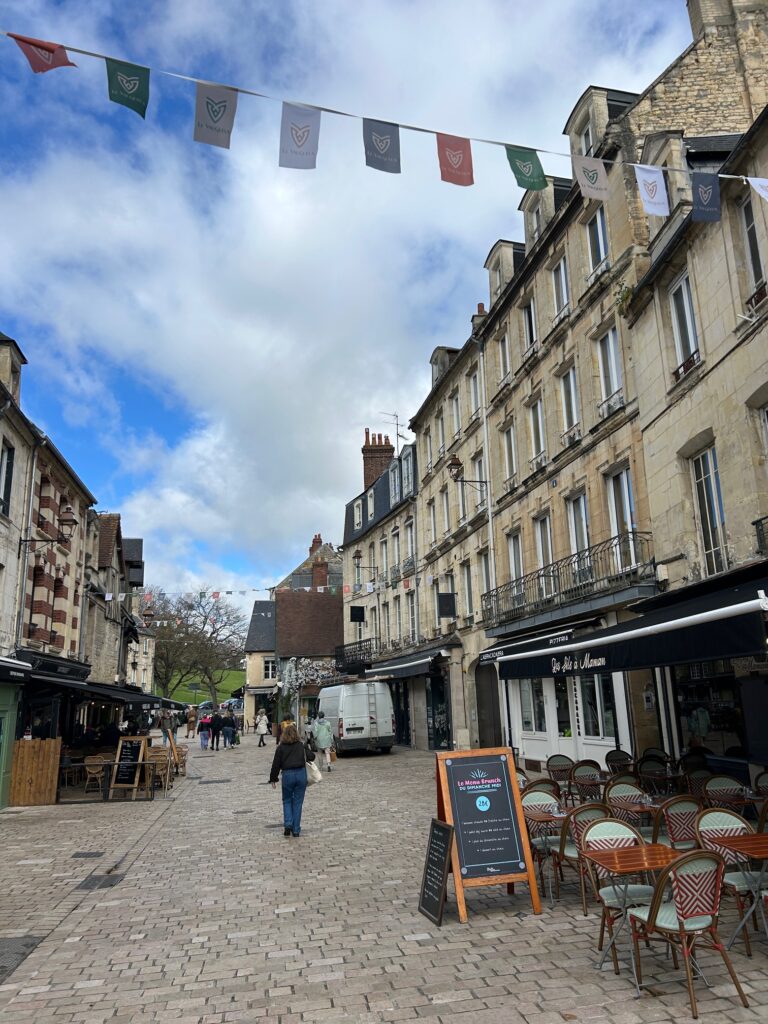
Remember that driving and parking in central Paris, Marseille and Nice can be challenging, particularly during busy periods. If you’re planning to spend most of your time in a city, it may be easier to park outside the centre or use public transport instead.
Make the most of French food without overspending
Food is one of the pleasures of a holiday in France, and you don’t need to spend a fortune to enjoy it. Visiting a local boulangerie for fresh croissants, baguettes and pastries is an easy way to start the day, while markets are ideal for picking up fruit, cheese, bread and other picnic ingredients.
A self-catering apartment or mobile home can be particularly useful for families, allowing you to enjoy a mixture of restaurant meals and simple dinners at your accommodation. You can still make time for a traditional French meal, an ice cream by the sea or a visit to a local crêperie without eating out every day.

If you’re travelling with vegetarian or pescatarian family members, it’s worth checking menus and identifying a few suitable places before you arrive in smaller towns. In larger cities, you’ll generally find more choice, but a little research can make mealtimes easier wherever you’re staying.
Try to leave some room in your plans for discovering local food, too. A market, a village bakery or a small café you stumble across during a walk can be just as memorable as a restaurant you’ve researched in advance.
Leave room for unexpected adventures
It’s tempting to pack a French holiday with famous sights and activities, especially when you’re visiting somewhere new. But the best family trips usually balance a few special experiences with plenty of time to relax.
If you’re in Paris, you might plan a visit to the Eiffel Tower and one major museum, then leave an afternoon free to explore a neighbourhood. In Nice, you could spend a morning wandering around the old town before heading to the beach. If you’re staying at a campsite, you might find that the children are perfectly happy spending an entire day in the pool and making friends.
Check opening times and book the attractions that really matter to you, but don’t feel you need to fill every day. Travelling between cities can be tiring, and everyone will enjoy the holiday more if there’s time to recharge.
It’s also worth giving each family member a say in the itinerary. One person might be keen on history, another on swimming, and someone else might simply want time to browse shops or try local food. A little compromise can make the holiday feel like an adventure for everyone.
Make organising your French holiday part of the fun
Planning a family holiday to France doesn’t need to mean hours of research, endless lists and trying to make every detail perfect. Choose a destination that suits your family, decide whether you’ll travel by ferry and car or explore by train, and book the essentials before you go.
Whether you’re discovering Paris, travelling south to Marseille and Nice, trying a night train or settling into a family-friendly campsite, France offers plenty of ways to make a holiday feel special without over-complicating it.
Get the practical details sorted, keep your important information organised and leave space for a few spontaneous adventures. You might find that the best memories come not from ticking off every attraction, but from a picnic beside the sea, a late evening at the campsite or a train journey that becomes an adventure in its own right.