Can a single trip reveal mountain raptors, coastal birds, and desert species — and still leave time to wander ancient medinas? A Morocco wildlife safari can be far more than dunes. It offers a high-impact way to see biodiversity across mountains, forests, valleys, and shorelines while you soak in culture and architecture.
Consider a wildlife safari in Morocco that pairs High Atlas wildlife viewing, Rif birding corridors, and national parks with guided nature walks and scenic drives. These routes deliver animal sightings alongside time in UNESCO medinas like Fes and Marrakech.

A Morocco wildlife safari means guided nature viewing, short hikes, and cultural stops rather than classic savanna game drives. Expect Merzouga and Erg Chebbi for desert species, Ifrane for Barbary macaques, and High Atlas foothills for raptors and mountain-adapted animals.
What you’ll get: practical tips to compare tours, choose trip length, and pick lodgings from riads to kasbahs and desert camps. This guide maps how the country’s beauty and varied landscapes let you link mountains, desert, and cities by road. Read on to design an experience that matches comfort, budget, and the wildlife viewing you want.
Table of Contents
What a Morocco wildlife safari includes beyond the desert
*AD / This post contains affiliate links & as an Amazon Associate we earn from qualifying purchases. We may also have been compensated in this post either financially or with products / stays. To read more see our Disclosure Policy.
Beyond dunes, a typical tour mixes city culture, mountain trails, and coastal stops for a fuller itinerary. Days often pair medina visits to see historic architecture and markets with nature drives in parks and valleys. Expect short cultural stops that spotlight local history without crowding the schedule.
Included usually means private transport, a driver-guide, select park entries, and a hand-picked mix of wildlife stops and cultural highlights. Professional guides improve sightings by reading animal cues, identifying raptors, and keeping respectful distances while explaining Berber village life.
Good safaris balance pace and comfort. Look for an itinerary that alternates city immersion with nature days so the journey never feels rushed. Activities often include short hiking segments, scenic overlooks for raptor viewing, and early-morning drives when animals are active.

Packages also fold in local sounds and tastes — from Jemaa el Fnaa’s evening ambience to coastal Gnaoua music — giving the trip cultural depth. Food varies by place: tagines and mint tea in the cities, simple stews at mountain lodges, and campfire meals under the stars.
Set realistic expectations: this country does not offer Big Five viewing, but it delivers meaningful, ethical wildlife experiences and conservation-minded parks. Choose private tours for flexibility and more hiking, or small-group options for lower cost and a steadier pace.
Best places to see animals on a Morocco wildlife safari
Match terrain to target animals: short hikes in the High Atlas often out-see roadside stops, and dune edges at dawn reveal species that shelter by oasis pockets.
Desert-edge highlights centre on Merzouga and the Erg Chebbi dunes, where desert foxes and reptiles show near early-morning tracks. Camel routes thread close to oasis zones, concentrating small mammals and birds in low light.

The High Atlas and Toubkal National Park are top for mountain scenery and sightings of eagles, mountain goats, and gazelles. Cedar groves and higher ridgelines in the Atlas Mountains offer the best chance for raptor watching.
The Rif region gives birders a greener contrast, with strong migratory movement along quiet countryside trails. Ifrane National Park feels like a different home for Barbary macaques and a place where gazelles and elusive lynx may appear. Dades Valley’s cliffs create prime conditions for birds of prey.
Practical pairing: link Marrakech routes with the High Atlas and Dades Valley; combine Fes with the Rif and Ifrane. Add the dunes segment to complete a trip that spans mountains, desert, and coastal landscapes.
How to choose the right safari tour, guides, and trip length
Pick the right trip by starting with one clear goal: name your top priority — Barbary macaques, desert species, High Atlas hikes, or family-friendly parks — and use that to shape the itinerary.
Match priority to itinerary shape. Short add-ons (2–3 days) focus on a single region. Mid-length circuits (5–7 days) link a city plus one wildlife region. Longer journeys (10–14 days) cover desert, mountains, and at least two major cities.

Allocate time per stop to avoid constant driving. Plan 1–2 nights for medinas, 2–3 for mountains, and 2–3 for dune or coastal zones. That balance keeps mornings free for animal viewing and afternoons for culture.
What to look for in guides: licensed operators, strong species ID skills, and a safety-focused briefing. Ask how they enforce ethical viewing distances.
Private safaris work best for photographers and families who need flexible pacing. Small-group options suit budget-conscious people and those who enjoy social travel.
Before you book, ask: what’s included and excluded, typical daily drive times, walking difficulty, and whether park tickets are prepaid. Also check departure times to avoid crowds and boost early-morning sightings.
Timing matters: travel in spring (mid-March–May) or autumn (September–November) for mild temperatures and active animals. Inland summers can grow very hot, so align season with comfort and goals.
Where you’ll stay: hotels, riads, boutique kasbahs, and desert camps
Choose lodging that fits your pace, from lively city riads to quiet desert camps under open skies.
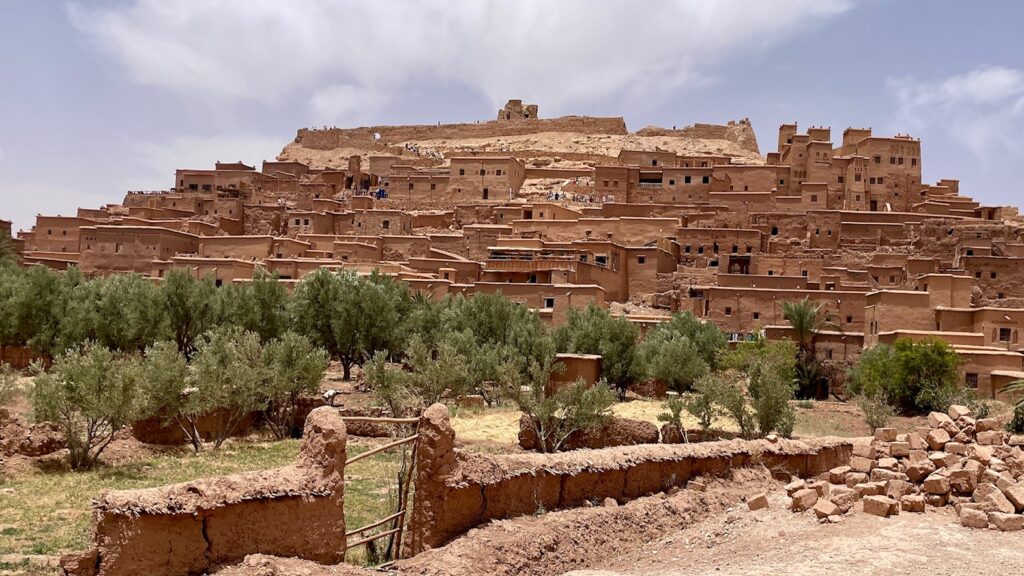
Riads in historic medinas offer courtyard calm and nearby souks. Expect local design, intimate service, and narrow alleys that may complicate transfers. Stairs and small rooms suit travellers who value atmosphere over large lobbies.

Hotels in modern areas deliver predictable amenities and easy vehicle access. They are a smart pick for recovery after long drive days and for travellers who want clear timelines and steady comfort.
Boutique kasbahs sit in dramatic mountain settings and feel like living the landscape. These properties blend history and panoramic views, making them ideal for those who want a close-to-nature base on a wildlife-minded journey.
Desert camps create the classic night-sky experience. Options range from simple tents to true luxury setups with private bathrooms and plush bedding. Confirm heating or cooling, Wi-Fi, and meal style before you book.
Staying near trailheads or park edges cuts drive time and increases early-start sightings. For buyers, a quick checklist for luxury claims: quality of service, meal standards, private facilities, reliable heating, and realistic Wi-Fi promises.
On cuisine: riads serve intimate Moroccan set menus while kasbahs and camps emphasise hearty regional dishes suited to mountain or desert nights. Match lodging to comfort needs, budget, and the viewing goals that brought you here.
Planning your safari: best time to go, safety, and what to pack
Pick spring or autumn for the best mix of mild weather and active animals. Mid-March to May and September to November give comfortable hiking, lively mornings, and easier travel between landscapes.
Inland summers can be very hot. Marrakech averages about 38°C in summer and near 21°C in winter so plan early starts, frequent water breaks, and shorter midday walks.
Safety first: organised trips run by licensed operators are generally very safe. Listen to guides, keep respectful distances, and never feed animals.

Packing checklist: breathable layers for warm days and cool nights, sun protection, closed-toe shoes for rocky trails, and binoculars for distant sightings. Add dust protection for cameras, a small dry bag, and a light jacket for high viewpoints and evening chill.
Note cultural calendars: during Ramadan many shops and some restaurants close during the day, so plan meal timing and expectations. Camel riding is a popular optional adventure — wear long pants, closed shoes, and treat it as a brief add-on that won’t dominate your itinerary.
Choose an itinerary that pairs nature and city heritage for a single, seamless experience. A Morocco wildlife safari uniquely layers animal encounters onto world-class cities where souks, historic lanes, and striking architecture tell deep stories of history and culture.

Start or finish in Marrakech to feel Jemaa el Fnaa’s energy and see the 12th-century Koutoubia Mosque. Then move to Fes to walk medina alleys and visit the Kairaouine Mosque (founded 857), before heading into mountain and forest landscapes for focused viewing.
Book with licensed operators who prioritise ethics: fewer rushed drives, early starts, and proven regional knowledge. For your final checklist remember to pick your season, confirm inclusions, match lodging to comfort, and choose guides with local expertise, as well as narrowing your preferred regions (Atlas, Rif, Ifrane, Merzouga, Rabat or Agadir) and requesting a tailored itinerary quote that fits your timeline and budget.