Most personality-and-travel advice jumps straight to destinations. A personality quiz might label you an adventurer or a culture lover, but that doesn’t explain whether you’ll enjoy changing hotels every night, spending six hours behind the wheel, or leaving half the day unscheduled.
The more revealing question asks which road trip style matches your travel personality. A road trip succeeds or fails largely on pacing: how far you drive each day, how often you stop, and how much structure you want between departure and arrival. Those choices shape the experience before scenery, restaurants, or attractions enter the picture. Matching a travel personality to the right journey therefore starts with examining how the days should feel, rather than drawing a line between appealing places on a map.
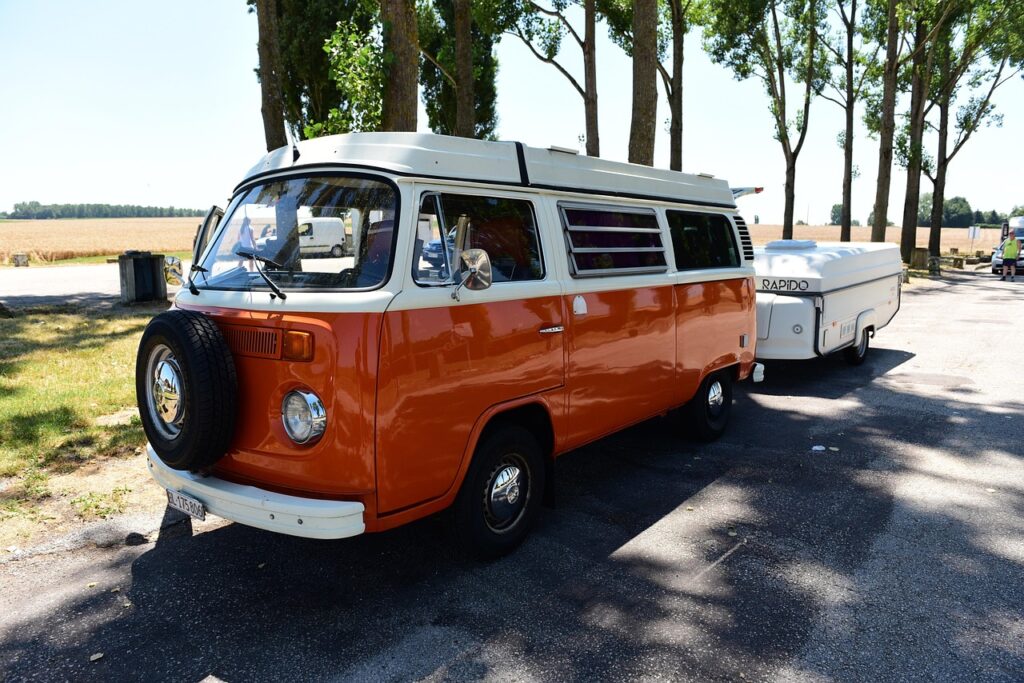
Table of Contents
Start with how you actually spend a travel day
Four questions reveal more than a broad travel personality type. After how many hours behind the wheel does driving stop being enjoyable? Was your best travel memory carefully planned or discovered by accident? Does one comfortable base sound better than a new bed most nights? Finally, who else will be in the car?
Driving tolerance is the clearest dividing line. Someone who reaches their limit after about three hours needs short distances, longer stays, and frequent stops. A traveller who happily drives for six hours has room for wider loops and long transfer days. Neither preference reflects greater stamina or ambition. It simply determines how much geography the itinerary can cover without becoming tiring.
Attitudes towards unplanned stops matter next. Travellers who dislike missing reservations generally prefer a booked itinerary with known arrival times. Those who remember spontaneous detours most fondly need a route and a rough end point, not a timetable that treats every pause as a delay.
Familiar labels are useful shorthand, but they aren’t fixed categories. An adventure seeker might tolerate long drives to reach a hiking trail, while a culture lover might favour slower city stays. A foodie or culinary explorer plans around meals, and a weekend getaway traveller values simplicity. Family-friendly travel adds passenger needs that can outweigh the driver’s preferences. Most people combine several of these tendencies, which is why the four practical answers matter more than a single label.
Four road trip styles and who they suit
Source
Most road trips use one of four recognisable structures: a loop, a point-to-point route, a hub-and-spoke plan, or a themed trail. Each style below applies a different pace to one of those familiar route shapes. The right match depends on driving tolerance, stop rhythm, sleeping arrangements, and whether scheduled activities or unexpected discoveries create the strongest memories during the trip.
The slow scenic drive
The slow scenic drive uses a hub-and-spoke structure, with one base for several short outings. Daily driving stays around two to three hours, and each base gets two or three nights. Stops happen whenever a viewpoint, beach town, or surf town catches your attention, rather than at fixed intervals.
This style suits travellers whose favourite memories came from unplanned moments. It also leaves room for a quiet day resembling a wellness retreat. The trade-off is geographic reach: lower mileage reduces fuel use, but longer stays can raise accommodation costs during busy seasons.

The national park loop
A national park loop combines long transfer days with full non-driving days for hiking trails and nearby sights. Travellers change locations every few nights rather than every morning. Its wider distances suit confident drivers who accept detailed planning to reach several outdoor areas.
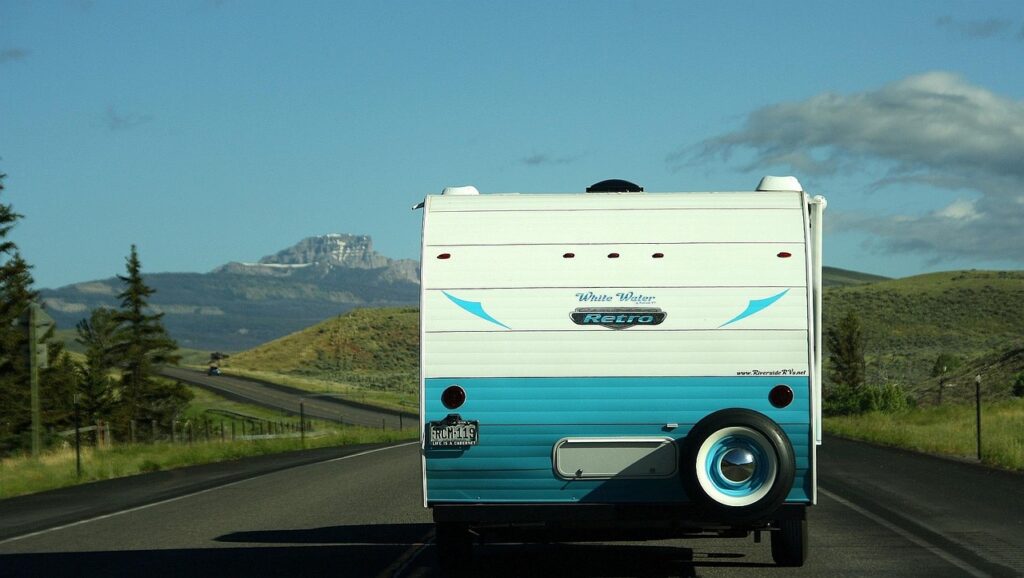
Before fixing the route, check seasonal hours, closures and reservations. Some travellers book campsites and tent it, some rent a campervan, and for anyone hauling their own camper or gear behind the car, a towing set-up rated for the load is worth a look. Season and vehicle capacity set the practical limits.
The food and culture trail
A food and culture trail follows a point-to-point route between cities and towns. Instead of maximising daylight or mileage, the schedule revolves around restaurant bookings, market days, museum and historical sites, and opening hours. Driving typically fills shorter gaps between two-night stays, with stops tied to the theme rather than spontaneous roadside attractions.
This structure suits the culture lover or culinary explorer who finds a city break more rewarding than a long scenic transfer. However, the trade-off is reduced flexibility. A delayed departure can disrupt timed entries or dinner reservations, so the route needs realistic buffers between scheduled highlights.

The family multi-stop loop
The family multi-stop loop returns to its starting point, avoiding the complications and possible cost of a one-way car arrangement. Driving happens in short hops, with a break roughly every two hours. Playgrounds, pools, and easy meal stops count as planned itinerary features, not distractions from the journey.
This rhythm suits family-friendly and multi-generational travel because the youngest or least mobile passenger determines the workable pace. Reviewing family road-trip safety essentials also helps distinguish convenience stops from necessary ones. The trade-off is pace: fewer miles fit into each day.
Pacing, vehicle and budget decide what works
The 3-3-3 rule means driving no more than three hours a day, arriving by 3 p.m., and staying at least three nights. It fits the slow scenic drive and family loop because both value usable afternoons and recovery time. However, it breaks down on a national park loop or long themed trail, where occasional transfer days cover greater distances.
Vehicle choice quietly rewrites the itinerary. A campervan supports a campsite-based holiday and keeps sleeping arrangements close to the route, but it raises fuel costs and becomes awkward in tight historic centres. If you’re staying in a hotel, having a car would cost more as you’ll have to take parking fees into account, but it allows flexible mileage.
Before embarking on a long road trip, car enthusiasts may want to upgrade their set-up, like fitting a set of C5 Corvette rims or something similar, pairing those lightweight wheels with matching tyres suited to the mileage and road surface ahead as part of a thorough vehicle check.
Season can set a lower ceiling on ambition than personality. Park closures and mountain passes can shorten a loop, while coastal crowds slow progress and limit spontaneous accommodation. Companions impose another firm boundary: the lowest pace tolerance in the car becomes the pace of the trip.
Connectivity matters most on routes with long gaps between towns. Planning for staying connected on the road and keeping offline maps available prevent weak coverage from dictating an otherwise workable route.
Most travellers are a blend of two styles
A culture lover who wants three days with no plans isn’t an inconsistent traveller. The two preferences simply need sequencing. A food and culture trail can include a longer pause, while a slow scenic drive can borrow a scheduled museum visit or memorable meal.
That’s why a destination match alone rarely captures someone’s full travel personality. The practical answer is to choose the style that controls daily driving distance, sleeping rhythm, and arrival time, then borrow stops and experiences from the secondary style.
The defining decision isn’t which label sounds most appealing. It’s how many hours in the car still leave enough energy to enjoy the rest of the day.