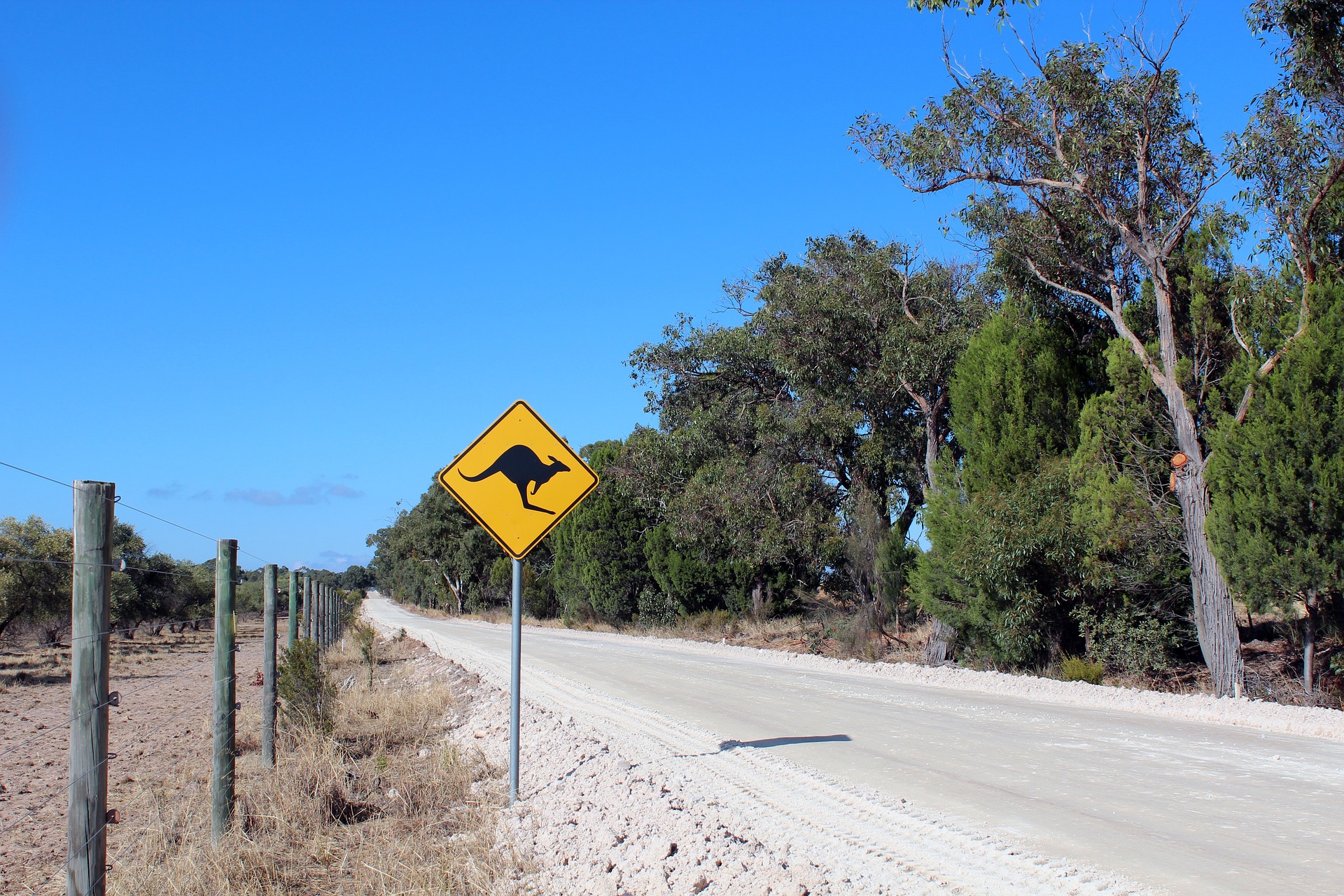
Visiting Australia with kids has long been the pinnacle of family adventure, offering a rare combination of modern safety, incredible biodiversity, and landscapes that look like they belong on another planet.
The country is more prepared than ever to welcome international families, with infrastructure improvements and a renewed focus on accessible nature tourism. Whether it is the first time your children will see a kangaroo in the wild or the tenth time you have walked the white sands of the Whitsundays, Australia continues to deliver a sense of wonder that few other destinations can match.
Planning a trip to a continent this vast requires more than just a flight booking. It demands a strategic approach to timing and geography. Australia is a land of extremes, where you can find tropical heat in the north and temperate, breezy afternoons in the south simultaneously.
For families, the stakes are slightly higher to ensure the weather and activities align with everyone’s energy levels. From the vibrant urban life of the coastal cities to the quiet, ancient rhythms of the Outback, visiting Australia with kids can be spectacular for those willing to make the journey.

*AD / This post contains affiliate links & as an Amazon Associate we earn from qualifying purchases. We may also have been compensated in this post either financially or with products / stays. To read more see our Disclosure Policy.
Table of Contents
The first steps: Documentation and preparation
Before the suitcases are packed and the long-haul entertainment is downloaded, the logistical foundation of the trip must be solid. Navigating the necessary paperwork is the most vital part of the pre-departure phase. For many international visitors, understanding the specific Australia entry requirements is essential to avoid any last-minute hurdles at the airport.
Most travellers will need to secure an Electronic Travel Authority (ETA) or a visitor visa, processes that have become streamlined and digital-first in recent years. It is best to handle these applications at least a month in advance to ensure all passports and travel authorisations are linked correctly in the system.
Beyond the visa, travellers should be aware of Australia’s strict biosecurity laws, which are among the most rigorous in the world to protect its unique ecosystem. Families often travel with snacks or specific wooden toys, so checking what can and cannot be brought into the country is a wise move. Once the administrative tasks are cleared, the focus can shift to the much more exciting task of building an itinerary that balances education, relaxation, and pure adrenaline.

When to visit Australia with kids: A seasonal roadmap
The “best” time to visit Australia with kids depends entirely on which parts of the country your family wants to see. If your heart is set on the Great Barrier Reef and the tropical north, the window between June and October is ideal. This is the “dry season,” where the humidity drops, the skies stay blue, and the water is clear for snorkelling.
Conversely, the southern regions like Melbourne, Adelaide, and Tasmania are at their most beautiful during the Australian spring (September to November) and autumn (March to May), when temperatures are mild enough for long days of exploring.
The Australian summer (December to February) remains a peak period for family travel, especially for those wanting to experience Christmas on the beach. However, it is important to note that this is also the hottest time of year.
For families with younger children, the shoulder seasons often provide a more comfortable middle ground. According to the Bureau of Meteorology, climate patterns in the mid-2020s have shown slightly more predictable rainfall in the south during autumn, making it a reliable time for road trips along the Great Ocean Road.
Building the ultimate itinerary for visiting Australia with kids
A successful Australian family itinerary typically follows a “hub and spoke” model: pick three major bases and explore the surrounding areas, and enjoying a mix of the classic and the contemporary.
Sydney remains a non-negotiable start for many, where the Taronga Zoo offers one of the best perspectives of the harbour while educating kids on local conservation efforts. From there, a short flight to Queensland provides access to the world’s oldest rainforest, the Daintree, where Indigenous-led tours provide deep cultural insights that resonate with all ages.
For a more off-the-beaten-path experience, the Northern Territory is investing heavily in family-friendly infrastructure. New glamping sites near Uluru allow families to sleep under the clearest stars on Earth without sacrificing comfort. Statistics from Tourism Australia show a 15% increase in “educational travel” bookings, where families seek out experiences that teach children about Aboriginal history and local ecology.

Safety, health and logistics
Australia is widely regarded as one of the safest destinations for families. The healthcare system is world-class, but as with any international trip, comprehensive travel insurance is a must.
For those planning to drive (which is the best way to see the country) it is important to remember that distances are often vastly underestimated. Driving from Brisbane to Cairns, for example, is a 1,700km journey. Taking domestic flights for the long stretches and renting cars for regional exploration is the most efficient way to manage time.
Families should also stay updated via the World Health Organisation for any global travel health recommendations, though Australia maintains very high standards for public health and sanitation. For real-time updates on local safety and travel advice, the Smartraveller portal provided by the Australian Government is an invaluable resource for checking current conditions in specific states or territories.
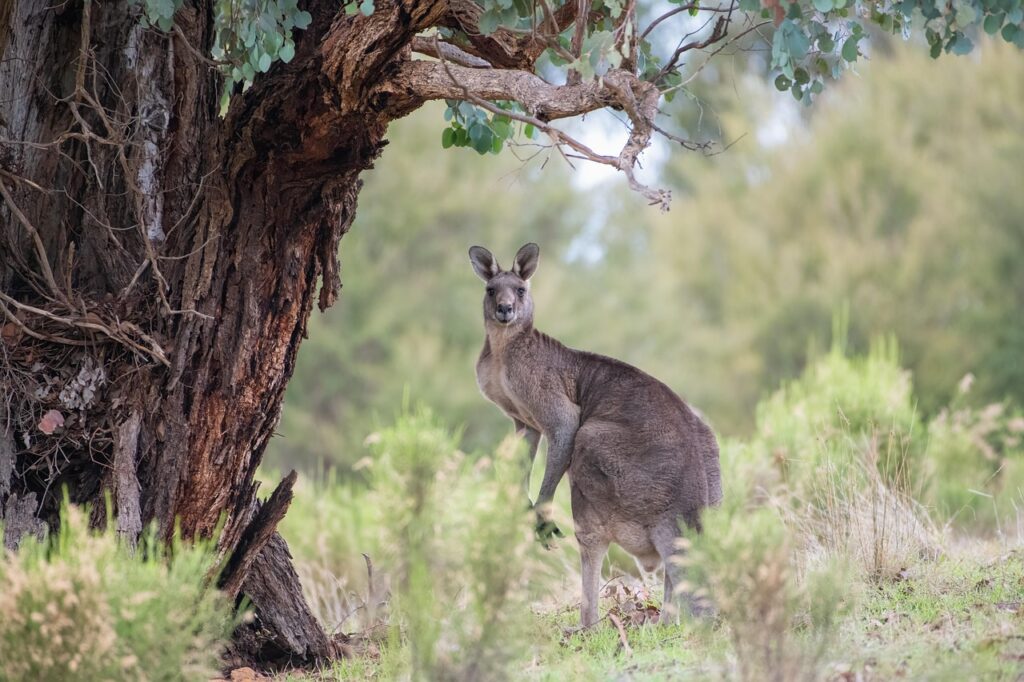
Planning for visiting Australia with kids
As you look toward your adventure, the key is to be “flexibly prepared.” Australia is a place that rewards those who leave a little room for the unexpected, like a spontaneous detour to a hidden beach or an extra day spent at a local wildlife sanctuary.
By handling the visa and entry requirements early and choosing a season that fits your family’s lifestyle, you set the stage for a trip that will be discussed at family dinners for decades to come.
Top Tip: Always carry reef-safe sunscreen to protect the delicate marine environments.
Did you know? Australia has over 10,000 beaches; you could visit a new one every day for 27 years.


