Planning a family trip abroad is an exhilarating prospect, but it can also be quite stressful if you’re not prepared with a holiday checklist for families. From packing the bags to planning the trip’s logistics, many variables can either make or break the holiday.
The complexity is further enhanced if you’re embarking on long-distance travel, as you’ll also have to account for the nuances, etiquette, and requirements in the other country.
The good news is that enjoying a successful family holiday isn’t a far-fetched goal. With the right preparation and strategy, you could smooth out the complications of the trip and enjoy the experience as a family. Whether it’s your first family trip or something you do regularly, these tips below will help you plan your upcoming international holiday before you arrive in the said country.

Table of Contents
Check passport and visa requirements
The first thing you must do is to get your and your family’s passport and visa requirements sorted out. You cannot leave the country if you don’t have the right papers to show to the immigration officer. The same goes for your child and spouse.
As this is the case, it’s essential to prepare these documents beforehand and ensure that they won’t expire anytime soon. Australian passport holders typically don’t need to apply for a visa to visit most countries, but it doesn’t hurt to check and see what other documents are necessary to file before entering the country.

Your passport should also be valid for at least six months beyond the travel date. If you don’t have these papers, then get them sorted out immediately. It can take anywhere between a few weeks and a couple of months for these papers to be mailed back to you, and that’s not considering the long time it’ll take to gather the requirements you need to apply for the main documents in the first place.
Be sure to print copies of these documents and prepare digital versions of them to ensure that you have backups in case they go missing. Keep all these documents in one compartment that you plan on keeping close to you at all times during the travel. This way, you won’t have to worry about things going missing before and during your trip.
Get internet connectivity access
Travelling internationally means that your go-to phone carrier won’t have access to the local phone lines that they normally connect to. To access online maps and go online, you’ll need to either turn on international roaming or use a local internet connectivity option.
The former option can get ridiculously expensive even with little usage, so more often than not, we’d like to scrap that out. That leaves getting local connectivity options, which thankfully, are plentiful. Within this category, you can get a physical SIM card, an eSIM, or a portable WiFi device that connects to local telecommunication lines.

A physical SIM card can be purchased straight from the airport or in convenience stores, and they come with the benefit of allowing you to set up a local phone number to text and call within the country. An eSIM can be activated outside the country and is fairly affordable, making it a great option for families with compatible smartphones. They come with multiple pricing plans too, making it an excellent option for all sorts of travel circumstances. Read here for more info on eSIM explained.
A portable WiFi device can be brought with you from home and can give you access to the internet straight away, provided it’s topped up. You can also rent one from the airport and set it up in a way your entire family can use. In any case, having access to the internet is crucial to ensure that you won’t get lost or become out of reach while on your travels.
Set a clear budget plan
Travelling as a family means you’ll be spending a lot not only for your needs, but also for the needs of your spouse and kids. With all the expenses involved, your final bill can add up faster than expected. As such, before the trip, it’s a good idea to lay out a realistic budget for your upcoming travel.

*AD / This post contains affiliate links & as an Amazon Associate we earn from qualifying purchases. We may also have been compensated in this post either financially or with products / stays. To read more see our Disclosure Policy.
If you find yourself dreaming about a trip that’s not practical to achieve just yet, then consider postponing the trip until you have enough funds or alternatively, consider travelling to lower-cost areas instead. Impose strict spending limits that you can’t go over, and categorise your spending from there.
You can, for instance, create a daily spending category for transportation, hotel bookings, airfare, restaurants, souvenirs, and so on. With a planned budget, you can estimate the costs of the trip and manage your finances well during the trip. This, in turn, would mean that your finances are still in good shape after the holiday is done.
Plan flight timing and transfer logistics
If you can choose flight times, consider going for one that won’t disrupt your and your children’s sleep schedule. This ensures that everyone’s in good spirits and well-rested to take on the rest of the trip. That said, that option’s not always available.
Whether you’re arriving at the airport during the wee hours or in the middle of the day, it’s important to consider the transfer logistics and how you can first get from the airport or port to your hotel. Start by researching transport options available at your destination. This could include airport shuttles, trains, taxis, or ride-hailing apps. Some destinations have efficient public transport options straight from the airport.

Others may require a pre-booked private transfer, especially if you’re travelling with kids or multiple bags. In any case, make a booking or have a plan ready before you even touch down at the airport. Knowing your options and making bookings in advance helps ensure you have a smooth journey after doing all the things you need to do at the airport. It also prevents you from encountering travel fatigue straight out of the airport, which isn’t the best way to start any trip.
Pack smartly
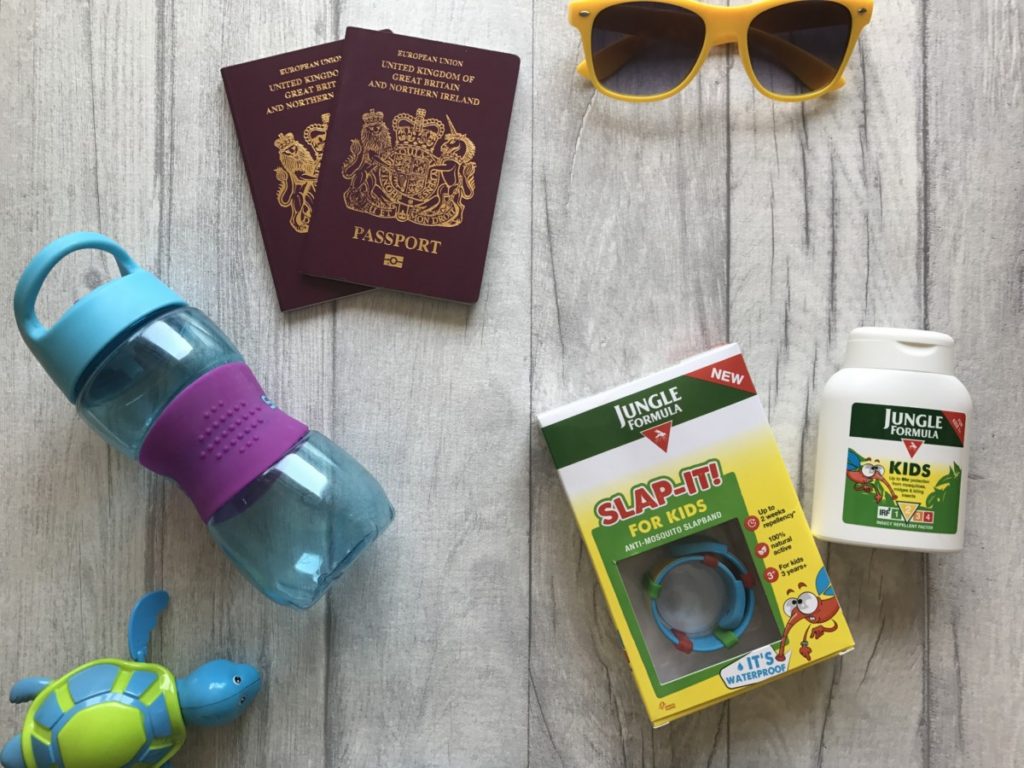
Packing your own things can be time-consuming enough, but you’ll also have to pack your child’s belongings to ensure that they don’t leave anything behind. This is especially the case for the younger ones, as they may need extra clothes, comfort items, snacks, medication, and travel entertainment. In the days leading up to your trip, start slowly putting your and your kid’s items into the luggage instead of leaving everything until the night before.
You can consider compartmentalising your clothes by using packing cubes so that each family member’s belongings are easier to identify and get to. It’s also a good idea to prepare a travel checklist of essentials to bring before you travel. By taking the time to prepare these things, you’ll be less likely to scramble for things or worse, leave important items behind during the final hours leading up to the drive to the airport.
Pick the right accommodation
Accommodation is one thing that can make a really big difference in the quality of the trip. It’s essential to pick one that falls within the budget while still being practical enough to keep you and your family happy. Ensure that you pick a hotel that has enough room for everyone.
If you intend to stay in the accommodation for multiple days, having access to amenities like a mini kitchen, a laundry facility, or comfortable beds can be all well and good. If you’d rather wake up and have breakfast offered in the hotel restaurant, then filter available options and pick that. You should also be considerate of the location. Being near public transportation hubs is generally a great idea as it allows you to dip in and out of the action straight away.

You can also consider staying farther away in a neighbourhood with amenities like a supermarket or quiet streets for better convenience. In any case, it’s essential to filter out your options and pick a hotel that would help you create a good atmosphere for you and your family. Reading reviews can also help you gauge a place’s quality. This way, you can avoid unexpected issues and have a generally smooth stay in your chosen place.
Plan must-do activities
When travelling as a family, it’s not uncommon for people to have different expectations or want to do different things. It’s important to communicate what you intend to do before the trip so that you can give everyone a general structure of what to expect. This time would also give your family members the opportunity to tell you if they want to do something else or branch out for their own interests.
Above all, it’s important to recognise that everyone’s energy levels differ from one another. Avoid overpacking your schedule, especially if you’re with young children. This way, you and your family won’t come down with exhaustion, which can turn the trip sour. By being considerate of your family’s energy levels and desires, everyone will be happy with the trip.