Here are 40 life lessons from around the world. All of these routines, and ways of living will enhance your life. We love to travel and have picked up a number of ways of living from the countries we have visited. In particular we have tried to adopt many of the Scandinavian practices. But all of these add a little something extra to life. I think the more life lessons learned the better.
Table of Contents
1. Lüften (Germany)
Lüften is the German practice of opening windows to allow fresh air to circulate, no matter the season. Germans believe in the benefits of fresh air for health and well-being. Even in the middle of winter, they open windows for a few minutes to clear out stale air. Lüften is a reminder of how small, intentional habits can improve mood and create a healthier indoor environment.
2. Hygge (Denmark) – Life lessons from around the world
Hygge is the Danish philosophy of cosiness and contentment, often achieved through warm lighting, soft blankets, good company, and simple pleasures like hot drinks and homemade meals. It’s about embracing comfort, slowing down, and finding joy in the everyday. Hygge helps people cope with long, dark winters by creating a sense of warmth and togetherness.
Read our top ways to bring hygge into your life (or how to banish the winter blues)
3. Ikigai (Japan)
Ikigai translates to “reason for being” and is a concept that encourages people to find a purpose that makes life meaningful. It is often described as the intersection of what you love, what you are good at, what the world needs, and what you can be paid for. Many believe ikigai contributes to the long, healthy lives of the Japanese, particularly in Okinawa.
4. Ubuntu (South Africa)
Ubuntu is a South African philosophy that means “I am because we are.” It emphasises community, compassion, and shared humanity. Ubuntu teaches that people are interconnected and should support each other, valuing kindness and relationships over individual success. It is a guiding principle for social harmony and resilience.
5. Lagom (Sweden)
Lagom means “just the right amount” and represents a Swedish way of living that values balance and moderation. Whether it’s work-life balance, food portions, or spending habits, lagom encourages people to avoid extremes and seek a sustainable, harmonious way of life.
6. Sisu (Finland)
Sisu is a Finnish term for perseverance, resilience, and inner strength, especially in difficult situations. It reflects the Finnish attitude of pushing through adversity with determination and courage. Sisu is not just about physical endurance but also about mental fortitude and the ability to keep going despite challenges.
7. Joie de vivre (France)
Joie de vivre, meaning “joy of living,” is a French philosophy of embracing life’s pleasures, from enjoying good food and wine to appreciating art, culture, and meaningful conversations. It’s about celebrating beauty in the everyday and cultivating a mindset of happiness and appreciation.
8. Mañana habit (Spain & Latin America)
The mañana habit reflects the relaxed approach to time in Spain and many Latin American countries. It suggests that not everything needs to be rushed, and some things can be left for tomorrow. While it can sometimes lead to procrastination, it also encourages a stress-free, flexible attitude to life.
9. Kaizen (Japan) – Life lessons from around the world
Kaizen means “continuous improvement” and is a philosophy of making small, consistent changes to improve efficiency, productivity, and well-being. Originally used in business, kaizen can also apply to personal development, helping individuals make incremental progress towards their goals.
10. Pura vida (Costa Rica)
Pura vida, or “pure life,” is a Costa Rican way of embracing simplicity, gratitude, and a laid-back lifestyle. It reflects an optimistic attitude towards life, focusing on happiness, nature, and enjoying the present moment. Costa Ricans use the phrase as a greeting, farewell, or expression of positivity.
11. Friluftsliv (Norway)
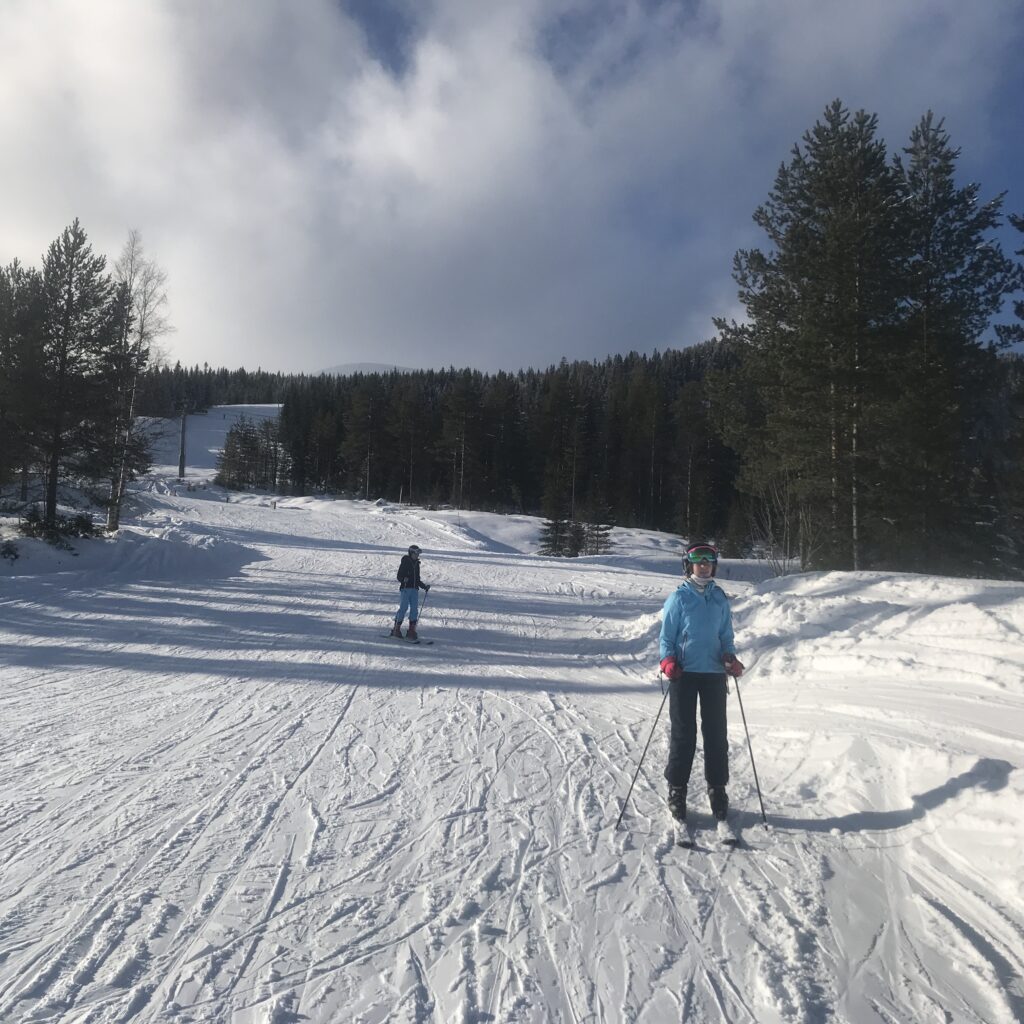
Friluftsliv, meaning “open-air living,” is a Norwegian concept that values spending time in nature, regardless of the weather. Whether it’s hiking, skiing, or simply taking a walk, friluftsliv encourages outdoor activities for physical and mental well-being. It fosters a deep connection with nature.
12. Gezelligheid (Netherlands)
Gezelligheid is a Dutch term that describes a cosy, pleasant, and sociable atmosphere. It can refer to a warm home, a friendly gathering, or even a moment of personal contentment. It highlights the importance of comfort, good company, and a positive environment.
13. Dolce far niente (Italy) – Life lessons from around the world
Dolce far niente means “the sweetness of doing nothing.” Italians embrace the joy of simply existing, without the pressure to be productive. Whether it’s sipping coffee in a piazza, lounging in the sun, or enjoying a slow meal, this philosophy encourages people to savour life’s little moments.
14. Kos (Norway & Denmark)
Kos is a Scandinavian concept similar to hygge, focusing on cosiness and well-being. It often involves candlelight, warm drinks, and close relationships. Kos is about creating a comforting and welcoming atmosphere, especially during the cold, dark months.
15. Wabi-sabi (Japan)
Wabi-sabi is a Japanese aesthetic and philosophy that finds beauty in imperfection, impermanence, and simplicity. It encourages people to embrace flaws, whether in handmade objects, ageing materials, or even life’s uncertainties. Wabi-sabi fosters appreciation for the natural cycle of growth and decay.
16. Aloha spirit (Hawaii, USA)
The aloha spirit is more than just a greeting—it is a way of life that values love, harmony, and kindness. Rooted in Hawaiian culture, it promotes a deep sense of respect for others and nature. It encourages people to live with compassion and gratitude.
17. Bayanihan (Philippines)
Bayanihan is the Filipino tradition of communal unity and helping one another. Traditionally, it referred to neighbours physically helping to move a house, but today, it represents collective effort and generosity, from disaster relief to everyday acts of kindness.
18. Duende (Spain)
Duende refers to the deep, soulful emotion that comes from experiencing art, music, or dance—especially in flamenco. It is about being moved by passion and intensity, allowing oneself to feel deeply. The concept encourages living with artistic expression and raw emotion.
19. Jugaad (India)
Jugaad is an Indian term for innovative, resourceful problem-solving using limited resources. It embodies a mindset of adaptability, thinking outside the box, and making the most of what’s available. Jugaad teaches resilience and creativity in challenging situations.
20. Meraki (Greece) – Life lessons from around the world
Meraki means doing something with soul, creativity, and love. Whether it’s cooking, painting, or even a simple task, meraki is about putting passion and care into what you do. It reflects a dedication to craftsmanship and personal expression.
21. Jólabókaflóð (Iceland)

Jólabókaflóð, meaning “Christmas book flood,” is an Icelandic tradition where people exchange books on Christmas Eve and spend the night reading with a cup of hot chocolate or tea. This custom reflects Iceland’s deep love of literature and encourages a culture of reading and relaxation during the festive season. It’s a reminder of the joy of unplugging and immersing oneself in a good book.
Read about how to have your own jólabókaflóð tradition here.
22. Sobremesa (Spain & Latin America)
Sobremesa is the Spanish and Latin American tradition of lingering at the table after a meal to chat and enjoy each other’s company. Instead of rushing away, people savour the moment, deepening connections with family and friends. This practice highlights the importance of slowing down, valuing relationships, and making time for meaningful conversations.
23. Kanzō (Japan)
Kanzō refers to the Japanese principle of finding sweetness in life, particularly after experiencing bitterness. Rooted in traditional medicine, where bitter herbs often lead to health benefits, it symbolises resilience and optimism. Kanzō teaches that difficulties can lead to growth and that we should appreciate the sweetness that follows struggle.
24. Gezellig lopen (Netherlands & Belgium)

Gezellig lopen translates to “walking for pleasure” and describes the Dutch and Belgian habit of taking relaxed, enjoyable strolls with no particular goal in mind. Whether alone or with company, it’s about appreciating the environment, soaking in the atmosphere, and embracing the simple joy of movement.
25. Mbuntu (Zimbabwe & Zambia)
Mbuntu is similar to the South African concept of ubuntu and emphasises collective well-being and community support. It teaches that one’s success is tied to the prosperity of others, encouraging generosity, humility, and social responsibility. Mbuntu reminds us that no one thrives alone—we all need each other.
26. Fernweh (Germany)
Fernweh is the German word for “distance pain” or the longing for faraway places. Unlike wanderlust, which is the desire to travel, fernweh is a deep yearning for places one has never been, driven by curiosity and imagination. It speaks to the human need for exploration, adventure, and discovering new cultures.
27. Cwtch (Wales)
Cwtch (pronounced “kutch”) is a Welsh word that means both a cuddle and a feeling of warmth and safety. It goes beyond a hug, conveying deep emotional connection and comfort. The concept of cwtch highlights the importance of affection, love, and creating a sense of belonging with the people who matter most.
28. Greng-jai (Thailand)
Greng-jai is a Thai cultural value that means being considerate to others to the point of not wanting to inconvenience them. It reflects deep politeness, mindfulness, and respect in interactions, ensuring harmony and avoiding causing others discomfort. While greng-jai fosters kindness, it also reminds people to balance their own needs with those of others.
29. Moksha (India)
Moksha is a spiritual concept in Hinduism, Buddhism, and Jainism that represents liberation from the cycle of birth and rebirth. It symbolises ultimate peace, self-awareness, and freedom from material attachments. While traditionally linked to enlightenment, moksha also offers a broader lesson: true happiness comes from inner peace rather than external success.
30. Shinrin-yoku (Japan)
Shinrin-yoku, or “forest bathing,” is the Japanese practice of immersing oneself in nature to promote relaxation and well-being. It involves walking slowly through forests, paying attention to the sights, sounds, and smells of the trees. Studies show that shinrin-yoku reduces stress, lowers blood pressure, and improves mental clarity. It is a reminder to reconnect with nature in an increasingly digital world.
31. Mottainai (Japan) – Life lessons from around the world
Mottainai is a Japanese term that conveys a sense of regret over waste, whether it’s food, resources, or time. Rooted in Buddhist teachings, it encourages people to respect and make the most of what they have. The concept promotes sustainability, gratitude, and mindful consumption, reminding us to appreciate and preserve what we own.
32. Siesta (Spain & Latin America)
Siesta is the well-known tradition of taking a midday nap, particularly in warm climates. While modern life has made it less common, the siesta is still a valued practice in some regions, allowing people to rest and recharge during the hottest part of the day. It highlights the importance of listening to one’s body and balancing work with relaxation.
33. Dugnad (Norway)
Dugnad is the Norwegian tradition of voluntary community work, where neighbours and friends come together to help maintain shared spaces, such as cleaning parks or painting communal buildings. This cooperative spirit strengthens social bonds and encourages a sense of belonging, demonstrating the value of collective effort in maintaining a thriving community.
34. Kalsarikännit (Finland) -Life lessons from around the world
Kalsarikännit translates to “pants-drunk” and refers to the Finnish custom of staying at home, drinking alcohol in comfortable clothing (such as underwear), and fully embracing relaxation without any social obligations. It is a humorous but genuine reflection of Finland’s emphasis on personal comfort and unwinding in a stress-free environment.
35. Saudade (Portugal & Brazil)
Saudade is a Portuguese and Brazilian word that expresses a deep emotional state of nostalgic longing for something or someone lost, whether a person, place, or moment in time. It carries both sadness and beauty, representing the bittersweet nature of memories. Saudade teaches us to cherish past experiences while accepting that time moves forward.
36. Tall poppy syndrome (Australia & New Zealand)
Tall poppy syndrome describes the cultural tendency in Australia and New Zealand to cut down those who stand out or seem overly successful. While it can discourage arrogance, it also reminds people to stay humble and appreciate collective achievement over individual ego. It offers insight into the value of equality and shared success.
37. Hózhó (Navajo, USA)
Hózhó is a central concept in Navajo philosophy that represents balance, harmony, beauty, and health. It is about living in alignment with nature and cultivating a peaceful and respectful way of life. Hózhó encourages mindfulness, gratitude, and maintaining a positive relationship with the world around us.
38. Flânerie (France) – Life lessons from around the world
Flânerie is the French art of strolling without a destination, simply for the pleasure of observing life and absorbing the atmosphere of a city. It originated in 19th-century Paris and is associated with enjoying the small details of everyday life. Flânerie reminds us to slow down and appreciate the beauty of our surroundings without rushing.
39. Hakuna matata (Swahili, East Africa)
Hakuna matata, meaning “no worries,” is a Swahili phrase that embodies a carefree and stress-free approach to life. Popular in Kenya and Tanzania, it encourages people to let go of anxieties and enjoy the present moment. It reflects a relaxed attitude that values happiness, resilience, and not dwelling on problems.
40. Bullerbü syndrome (Sweden)
Bullerbü syndrome refers to the Swedish longing for a simple, idyllic rural life, named after the fictional village in Astrid Lindgren’s books. It represents a desire to escape modern stress and embrace a slower, nature-connected existence. This mindset reminds us of the value of simplicity and tranquillity.
I really think these concepts from around the world offer valuable insights into living a fulfilling, balanced life. Which one resonates with you the most? I think it’s great to take little insights from other countries for a better way of living.