Scotland is known for its dramatic landscapes, medieval cities and rich cultural traditions. While some may assume its rugged charm makes it difficult to explore with mobility limitations, the reality is more welcoming. Across the country, accessible travel infrastructure has improved significantly, opening up a wide range of options for visitors with different mobility needs.
Beyond the popular destinations of Edinburgh Castle or Loch Ness, there is a wealth of lesser-known locations that offer both natural beauty and thoughtful accessibility. These hidden gems make it possible to enjoy authentic Scottish experiences without physical strain or logistical stress. With careful planning and the right support, accessible travel in Scotland can be both enriching and effortless.
Table of Contents
Accessible Destinations with Local Support
Across the country, Scotland has steadily improved access to its more secluded and scenic spots. From castle gardens with wheelchair-friendly paths to quiet nature reserves with adaptive facilities, opportunities abound for inclusive exploration.
A key part of this accessibility network is the availability of essential equipment and services. Scotland’s leading mobility equipment provider plays an important role in supporting travellers by offering mobility scooter and wheelchair rentals, often with delivery directly to hotels and holiday accommodation. This service has helped more visitors experience hidden trails, heritage sites and charming towns without limitations.
Many of these quieter destinations have also received improvements like smoother walkways, wider entrances and rest points along trails. Even traditionally challenging environments such as moorlands and coastlines have become easier to explore thanks to boardwalks, signage and accessible viewpoints.
Coastal Adventures with Excellent Access
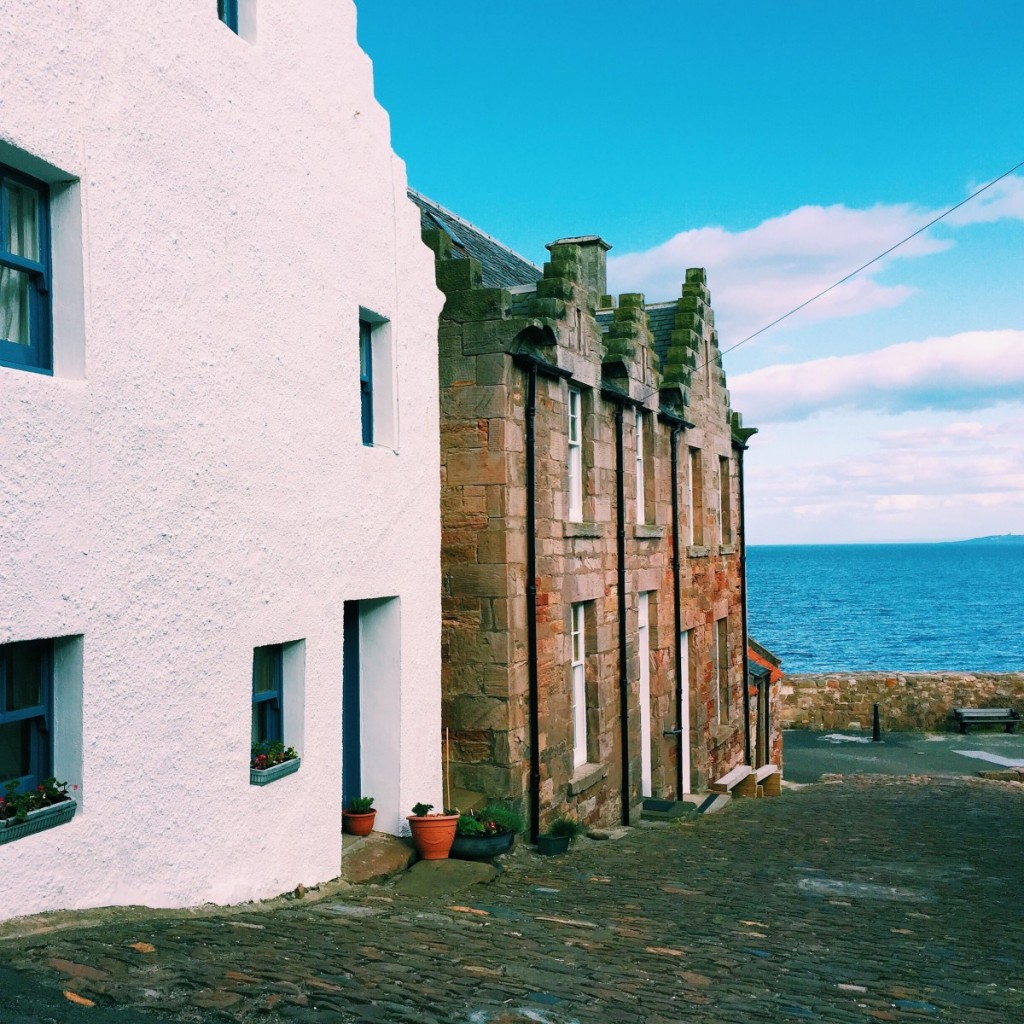
Scotland’s coastline offers more than sweeping views and photogenic cliffs. Many coastal destinations provide outstanding accessibility, making them perfect for both spontaneous day trips and longer stays. Quiet beaches, fishing villages and scenic walking paths offer peaceful experiences with solid infrastructure.
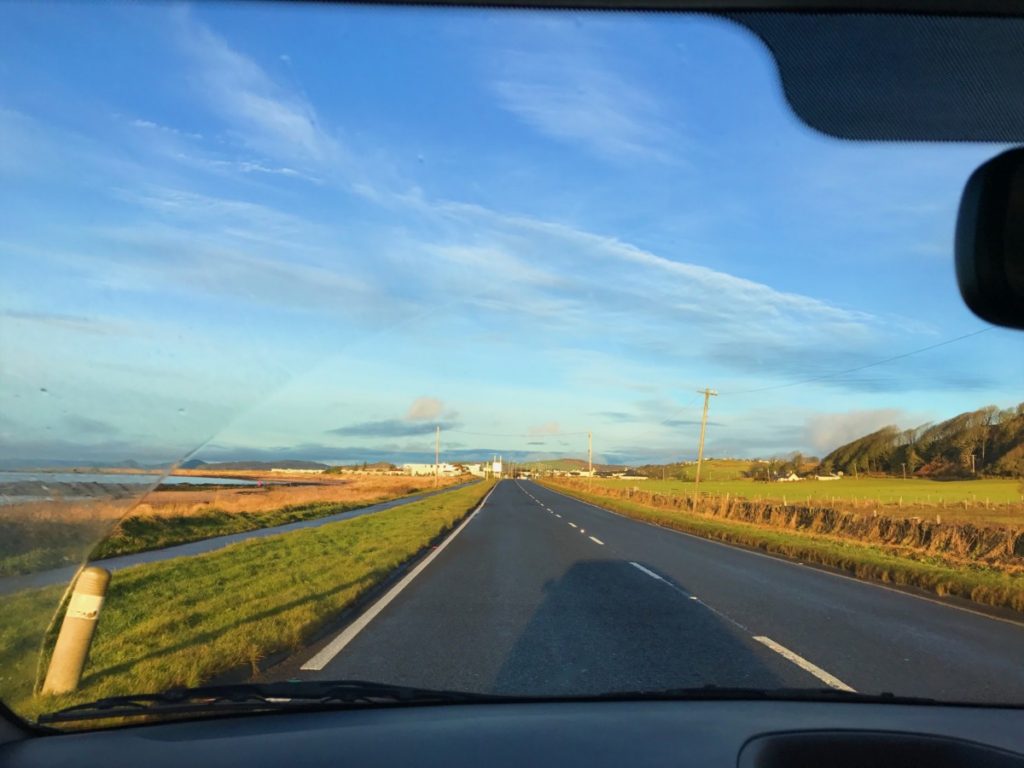
One example is Nairn Beach in the Highlands, where a flat promenade runs parallel to the shore. Access ramps and firm surfaces make it ideal for wheelchairs or mobility scooters. The nearby town offers accessible dining spots and public toilets, adding convenience to its coastal charm.
Further south, Culzean Country Park blends historic architecture with modern adaptations. Clearly marked paths guide visitors through wooded areas and gardens. Some parks even offer mobility scooter hire for those who want to explore further without overexertion. These locations prove that natural beauty can be enjoyed without barriers.
Inclusive Wildlife Watching Experiences
Scotland’s diverse wildlife can be experienced at several accessible venues across the country. For those who love birdwatching or marine life, there are multiple locations with thoughtful layouts to suit visitors of all physical abilities.
North Berwick’s Scottish Seabird Centre provides level access, viewing platforms and indoor options like live camera feeds. Visitors can enjoy the sights and sounds of seabirds without needing to trek through challenging terrain. It’s an ideal spot for anyone seeking a relaxing yet enriching nature experience.
In Angus, Montrose Basin offers wheelchair-accessible bird hides that allow for uninterrupted wildlife observation. Designed with wide entrances and multi-height viewing slots, these facilities show how small design decisions can make a big difference. Whether you’re a keen photographer or simply curious about local species, these sites make wildlife watching inclusive and enjoyable.
Discovering Accessible Highland Landscapes
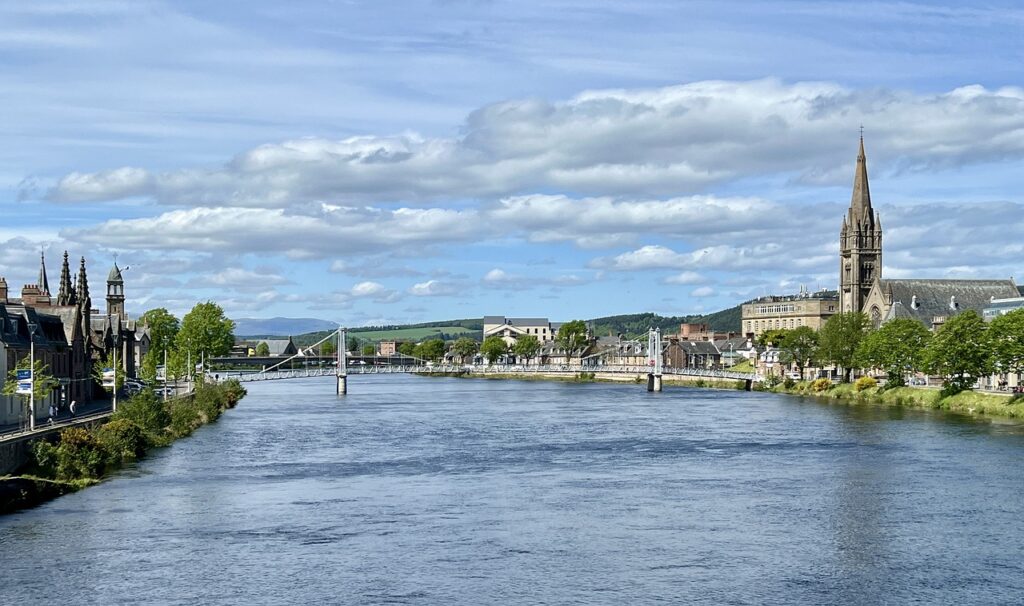
The Scottish Highlands may seem rugged at first glance, but many areas are surprisingly accessible. Forest parks, glens and outdoor museums have taken steps to welcome visitors with reduced mobility.
Glenmore Forest Park near Aviemore has created wide, smooth paths that wind through ancient woodland and around picturesque lochs. Trail information includes gradient and length details, helping visitors plan according to their comfort level. It’s possible to experience the sights and sounds of the Highlands without straying far from a mobility-friendly route.
The Highland Folk Museum offers a glimpse into traditional Scottish life through reconstructed buildings and open-air displays. Paths between buildings are well-maintained, and benches are placed regularly throughout the site. This destination combines education and entertainment in an easy-to-navigate setting.
Seasonal Travel Without Barriers
Each season in Scotland brings its own charm, and accessible attractions cater to travellers throughout the year. Spring and autumn are ideal for visiting gardens, woodlands and botanic spaces, many of which feature paved routes and accessible greenhouses.
During the summer months, outdoor events like Highland Games often include designated viewing areas for visitors using wheelchairs or mobility scooters. From the Braemar Gathering to regional village fairs, organisers continue to invest in access-friendly facilities.
Winter may limit some outdoor excursions, but accessible visitor centres, museums and indoor heritage sites remain open year-round. These locations allow visitors to explore Scottish history, art and storytelling without the need to brave challenging weather or uneven surfaces.
Accessible Cultural Highlights in Urban Areas
Scotland’s cities offer much more than popular tourist spots. Away from the crowds, travellers will find accessible museums, galleries and walking routes that reveal local culture in a relaxed setting.
In Dundee, the V&A Museum was designed with inclusion in mind. Level floors, ample seating and tactile exhibits make the space comfortable for visitors with a range of mobility needs. Public transport in the area also supports wheelchair access, offering easy connections to other city highlights.
Aberdeen’s renovated harbour area includes flat pathways and clear signage, ideal for relaxed seaside strolls. Smooth pavement and regular seating areas make it a favourite for those using scooters or walking aids.
In Edinburgh, quieter attractions like The Georgian House or The Writers’ Museum offer cultural experiences without steep inclines or crowds. Many locations provide printed guides or virtual tours to help visitors plan their routes and explore at their own pace.
A Welcoming Scotland for All Travellers
Scotland has made great strides in creating a travel environment that works for everyone. Hidden gems across the country now offer barrier-free experiences without sacrificing beauty or cultural depth.
With thoughtful planning, local support and the right equipment, Scotland becomes a place where mobility limitations do not define the experience. It is a country that proves accessibility, and authenticity can truly go hand in hand.