We absolutely love our trips to Lapland and have been lucky enough to visit multiple times. One of our favourites was a DIY trip to Lapland (taking the night train from Helsinki to Lapland), been on an organised Santa trip to Lapland and taken a skiing trip to Lapland. It’s an area of the world we love. On all of our trips we have picked up lots of top tips for visiting Lapland. Whether you’re visiting with kids or not. We hope some of these top Lapland tips help you with your trip. Don’t miss our packing list for Lapland and an ultimate guide to Lapland with kids to inspire you.
👩💻 About the author – Nichola is a family travel expert and has written for The Guardian, The Telegraph, Lonely Planet Magazine and Wanderlust, amongst many others. She’s spent over a decade travelling the world with her children, finding the best places for you to explore too.
*AD / This post contains affiliate links & as an Amazon Associate we earn from qualifying purchases. We may also have been compensated in this post either financially or with products / stays. To read more see our Disclosure Policy.
Table of Contents
Planning your trip – 1-10 top tips for Lapland
1. Book early
If you’re looking to visit Lapland in December, this is peak season. And the area is in high demand. Group trips are best booked in advance as much as possible so you can get the dates and locations you want. Flights get released and should be snapped up early for the best prices. There are few last minute deals with Lapland like there can be for other destinations.
2. Don’t just focus on Christmas
Lapland is magical all winter, so look at other times to visit. These can not only be cheaper but also less crowded. We have been in Lapland for New Year, which was particularly lovely.
3. Compare different regions – Top tips for Lapland
Lapland is vast, and choosing the right region can make a big difference to your trip. Rovaniemi is the most famous, home to Santa Claus Village, bustling activity centres, and excellent family facilities. Levi is a ski resort with great slopes, après-ski options, and plenty of snow-based adventures. Saariselkä offers a quieter, more traditional Lapland experience with beautiful fells and easy access to Urho Kekkonen National Park. For something truly remote, head to Inari, the cultural heart of the Sámi people, with authentic traditions and a stronger chance of spotting the Northern Lights thanks to minimal light pollution.
4. Travel in January or February for better Northern Lights chances
While December is the most popular month in Lapland, travelling in January or February often means fewer crowds, lower prices, and clearer skies for Northern Lights hunting. The snow is still thick and beautiful, husky and reindeer rides are running, and ski resorts are in full swing. With longer nights compared to March, these months give you the best chance to see the Aurora Borealis. You’ll also find that queues for Santa visits and excursions are shorter, making the experience less rushed. If you want a balance of winter magic and breathing space, January and February are the perfect choice.
5. March brings longer days and gentler cold — ideal with kids – Top tips for Lapland
By March, Lapland still has deep snow and magical landscapes, but the temperatures are often less extreme than mid-winter. Instead of -20°C chills, you might find days around -5°C to -10°C, which makes outdoor activities far more comfortable for children. We have been in temperatures at nearly -30°C in Lapland and it’s very hard to stay out for long. With March brings longer daylight hours too. This means you can enjoy skiing, tobogganing, or snowshoeing without racing against the sunset. The trade-off is slightly fewer opportunities to see the Northern Lights, but for family trips, the milder weather often makes it the best month.
6. Fly into Rovaniemi, Ivalo, or Kittilä, depending on your itinerary
Lapland is spread across a huge area, and where you fly into can shape your whole holiday. Rovaniemi Airport is the busiest, perfect if you want to meet Santa Claus, enjoy lots of family-friendly activities, and stay close to a lively town. Ivalo Airport serves the north and is ideal for Saariselkä, Inari, and wilderness adventures, offering great Northern Lights viewing thanks to clear skies. Kittilä Airport is closest to Levi and Ylläs, both popular ski resorts with plenty of winter fun. Choosing the right airport can save long transfers, so always plan your flights around your chosen base.
Check Opodo for flight prices to different Lapland locations here.
7. Consider a package deal vs. DIY booking; compare prices carefully
When planning a Lapland holiday, you’ll find both package tours and the option to book everything independently. Packages often include flights, transfers, accommodation, and activities such as husky sledding or Santa visits, which can make life easier, especially for first-time visitors. However, they can also be expensive and sometimes restrictive. DIY trips allow more flexibility, letting you choose specific hotels, design your itinerary, and often save money if you book early. Compare carefully — sometimes a package offers excellent value, especially for peak Christmas weeks, while outside of December, arranging everything yourself can be more cost-effective.
Read about our package trip to Lapland here
Find out about our DIY budget trip to Lapland here
8. Don’t underestimate travel times between Lapland’s towns – Lapland tips
Lapland is vast, and distances between towns can be deceptive when looking at a map. What seems like a short drive might take hours on snowy, icy roads. For example, travelling from Rovaniemi to Levi takes around three hours, and reaching Inari from Rovaniemi can take over five. Public transport exists but isn’t always frequent, so relying on buses can mean long waits. If you plan to visit more than one region, factor in the travel time carefully and avoid cramming too much into a short trip. It’s often better to focus on one or two areas rather than rushing.
9. Check seasonal closures — some attractions only run in peak winter
Many Lapland attractions are seasonal, operating only during the heart of winter when snow is guaranteed. For example, ice hotels and snow villages are rebuilt each year and typically open from late December to March. Some husky and reindeer farms close once spring arrives, while snowmobiling and skiing depend on conditions. Even Santa’s grotto experiences are limited to festive weeks, although Santa Claus Village in Rovaniemi is open year-round. Always check in advance what’s available during your travel dates to avoid disappointment. Visiting outside peak season can be rewarding, but the range of activities may be smaller.
10. Mix activities with downtime — children tire quickly in Arctic cold
Lapland is filled with exciting things to do, from husky rides to snowshoeing, but it’s important to pace your itinerary, especially with children. The Arctic cold can be draining, and little ones will need regular breaks to warm up indoors. Schedule just one major excursion per day, leaving time for relaxed play in the snow, swimming in hotel pools, or enjoying cosy cabin evenings. This balance ensures kids stay happy and prevents exhaustion. Remember that magical moments often happen in the quieter times too — sipping hot chocolate by a fire or spotting the Northern Lights from your accommodation. We have found that Lapland trips, partly because of the cold and partly because of the limited daylight hours, need to involve lots of downtime.
Clothing and packing – Lapland tips – 11-20
11. Dress in layers: base, mid, outer shell –
The key to staying warm in Lapland is layering your clothing properly. Start with a good base layer that keeps moisture away from your skin, add an insulating mid-layer to trap heat, aTop tips for Laplandnd finish with a waterproof, windproof outer shell to protect against the Arctic weather. This system allows you to adjust depending on activity and temperature. For example, husky sledding may leave you sitting still in freezing cold, while snowshoeing generates body heat. By layering, you can peel off or add clothing as needed, ensuring you stay comfortable and warm no matter what adventure you’re enjoying. Having spent lots. of time in Lapland we have come up with a complete packing guide to help. See below for all the details.
Our complete packing guide to Lapland
12. Merino wool is worth the investment for base layers
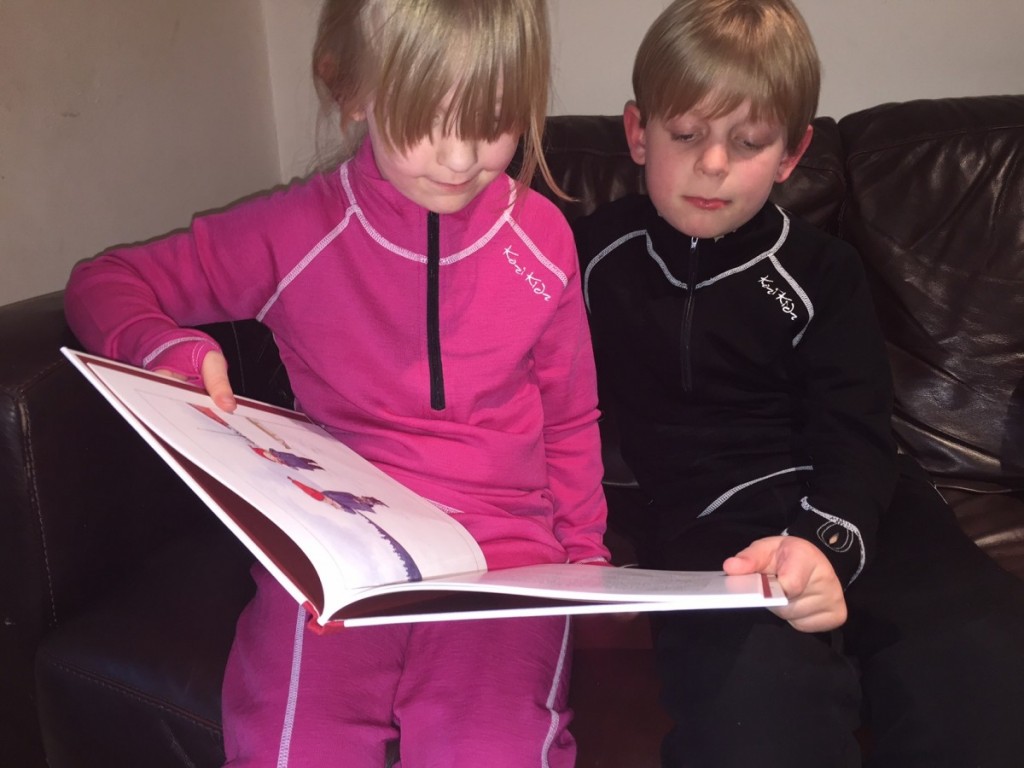
There’s no doubt Merino wool is one of the best materials for base layers in Lapland. Unlike synthetic fabrics, it regulates temperature naturally, wicking away moisture when you sweat and retaining warmth when you’re still. It’s also soft and non-itchy, making it ideal for both adults and children. While merino wool can be more expensive than standard thermal clothing, it’s worth the investment for the comfort and warmth it provides in Arctic conditions. A couple of good-quality merino tops and leggings can make the difference between feeling cosy on your adventures or shivering in discomfort when temperatures drop below freezing. We also use our merino wool year round as it’s great for keeping warm in winter and cool in summer.
13. Avoid cotton — it holds moisture and makes you cold
One of the golden rules for packing clothes for Lapland is to avoid cotton. Cotton absorbs sweat and snow, but unlike wool or synthetics, it doesn’t dry quickly or keep you warm when wet. This means that once your cotton clothing gets damp, you’ll feel colder and more uncomfortable. Swap out cotton tops, socks, and trousers for thermal or merino wool alternatives. Even jeans are a poor choice in snowy conditions. Sticking to moisture-wicking and insulating fabrics ensures you’ll stay dry and warm while enjoying outdoor activities like reindeer safaris, snowmobiling, or simply building snowmen with the kids.
14. Bring at least two pairs of waterproof gloves per child – Lapland tips
Children love playing in the snow, but it also means their gloves often get wet quickly. Having at least two pairs of waterproof gloves per child ensures they can switch into a dry pair when needed. Mittens tend to be warmer than gloves, as they allow fingers to share heat, but some kids prefer the flexibility of gloves. Waterproof outer layers are essential, ideally with fleece or thermal linings inside. Spare pairs also mean you’re covered if a glove gets lost, which happens often with excited little ones. Warm, dry hands make snowy adventures much more enjoyable.
15. Thermal socks (several pairs) are essential
Keeping your feet warm is just as important as layering your body. Pack several pairs of thermal socks made from wool or synthetic fibres — never cotton, as it holds moisture. Good socks provide insulation, wick away sweat, and prevent frostbite in freezing conditions. For maximum comfort, wear one thinner liner sock under a thicker thermal pair. This combination helps manage moisture and reduces rubbing. Because kids often end up with damp socks after snow play, having plenty of spares is essential. Dry, warm feet ensure you can enjoy activities like husky sledding or walking in deep snow comfortably.
16. Hand and toe warmers are lifesavers – Top tips for Lapland
Hand and toe warmers can make a huge difference in Lapland, especially during long outdoor excursions when temperatures plummet. These small disposable heat packs slip easily into gloves or boots, providing several hours of steady warmth. They are especially helpful for children, who tend to feel the cold more quickly. While they shouldn’t replace proper layering, they add an extra boost of comfort in extreme conditions. Stock up before you travel, as they can be more expensive to buy in Lapland. Having a supply of hand and toe warmers ensures frosty fingers and toes won’t cut adventures short.
17. A balaclava or buff protects faces from icy winds

Exposed skin can suffer quickly in Lapland’s freezing winds, so packing a balaclava or buff is essential. Until Lapland I hadn’t ever worn one of these but now I love them, they really work. These lightweight, breathable coverings shield the face, nose, and neck from biting cold while still allowing easy breathing. For children, they also make wearing helmets for skiing or snowmobiling much more comfortable. Balaclavas provide full coverage, while buffs can be pulled up or down depending on the weather. Look for fleece-lined or merino wool versions for maximum warmth. Protecting the face from frostbite and windburn keeps outdoor adventures safe and enjoyable, whether you’re sledding through forests or riding a reindeer sleigh.
18. Goggles stop eyes watering on windy or snowy days
When snow is blowing or the wind is strong, eyes can water and visibility can be poor, especially for children. Goggles provide essential protection, keeping eyes shielded from snow glare, wind, and ice. They also make skiing and snowmobiling far more comfortable. Sunglasses can work on bright, calm days, but goggles are the better all-round option for Lapland’s winter conditions. Choose anti-fog lenses with UV protection for the best experience. Packing a pair for every family member ensures nobody has to cut an activity short because of sore, watery eyes. Clear vision makes Arctic adventures safer and more enjoyable.
19. Snow boots should be insulated and waterproof – Lapland tips
Ordinary winter boots are rarely enough for Lapland. You’ll need insulated, waterproof snow boots designed for Arctic conditions. Look for boots with thick soles for grip on ice, waterproof outer layers to keep out snow, and warm linings to trap heat. Velcro or drawstring tops are especially helpful for kids, as they stop snow slipping inside during play. Comfort is key, as you’ll likely be wearing them for long periods while walking, sledding, or standing outdoors watching the Northern Lights. A high-quality pair of snow boots is one of the best investments you can make for your trip.
Our complete packing guide to Lapland
20. Don’t forget swimwear for hotel saunas and spas
It may sound strange to pack swimwear for a snowy Arctic holiday, but most Lapland hotels and cabins come with saunas, hot tubs, or even heated indoor pools. After a day in freezing temperatures, slipping into a hot sauna is one of the best ways to relax and warm up. Some excursions even offer outdoor hot tubs under the Northern Lights, where swimwear is essential. In Finland, sauna culture is deeply ingrained, and it’s common for families to enjoy these experiences together. Packing a swimsuit ensures you don’t miss out on one of Lapland’s most authentic and enjoyable traditions.
Activities and excursions- 21-30 – Top tips for Lapland
21. Book husky and reindeer experiences early — they sell out

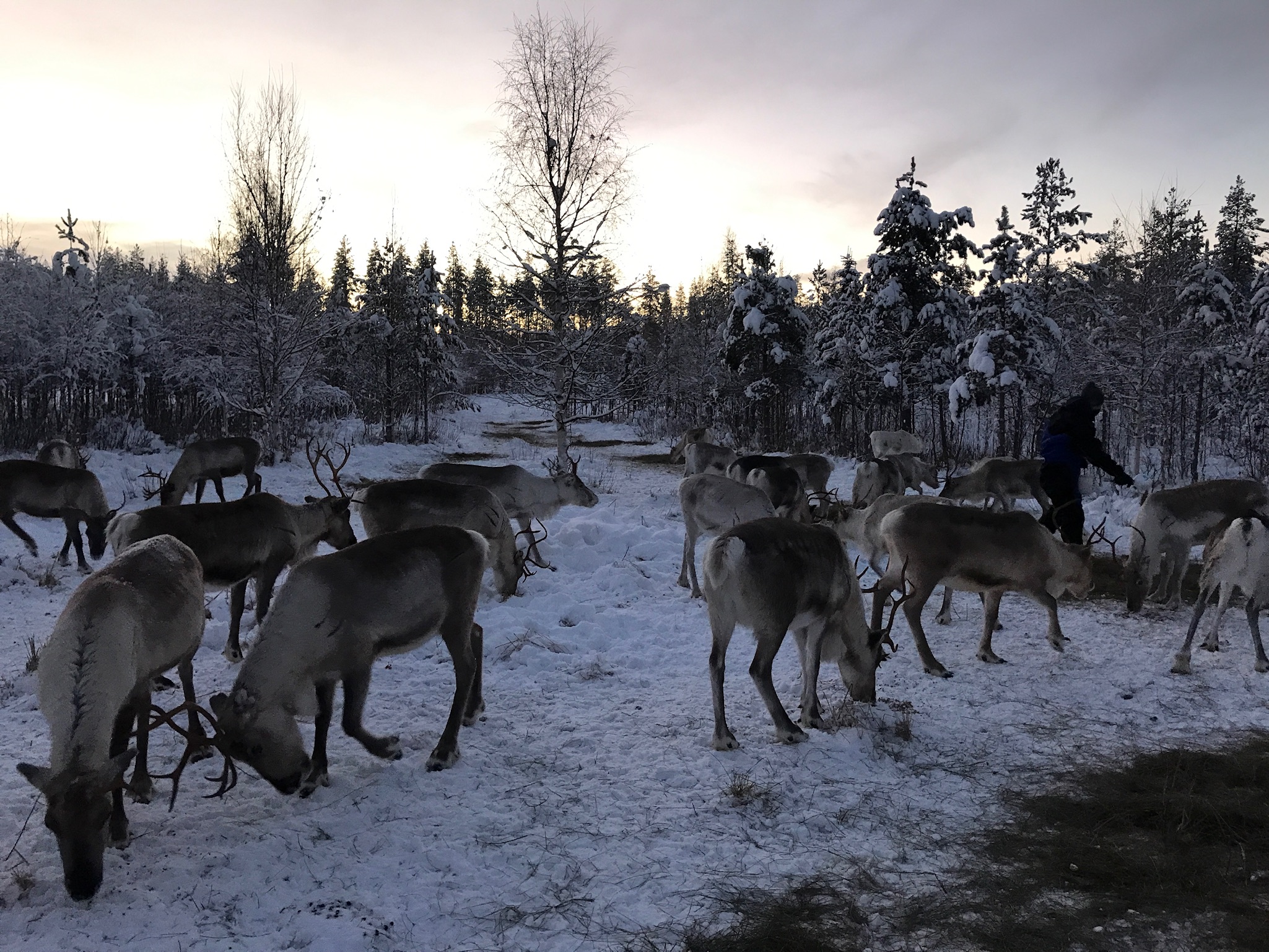
Husky sledding and reindeer sleigh rides are among the most popular activities in Lapland, so it’s essential to book well in advance. These experiences are limited by the number of animals and guides available, and they can sell out months ahead during peak season, especially around Christmas and New Year. Booking early also means you can compare providers, choose between short or longer tours, and secure the times that suit your itinerary. Families travelling with children should look for family-friendly safaris, while couples may prefer twilight or Northern Lights experiences for a truly magical Arctic adventure.
Check out our ultimate guide to 50 of the best things to do in Lapland here.
22. Try both short taster rides and longer safaris
Lapland offers a variety of husky and reindeer rides, from short 15-minute tasters to full-day safaris. A short ride is perfect for families with younger children, giving a fun introduction without being too cold or tiring. Longer safaris, however, allow you to immerse yourself in the Arctic wilderness, gliding through forests and across frozen lakes, often with campfire stops along the way. Trying both can be a great way to balance experiences — a quick ride for the thrill, and a longer safari for deeper adventure. Each offers something unique and unforgettable, making them highlights of any Lapland trip. In our experience shorter ones can feel a bit frustrating. It’s such fun activities that longer ones are more satisfying, especially for the husky rides. Around two hours is our optimum time.
23. Opt for a guided northern lights tour if it’s your first time – Lapland tips
While it’s possible to see the Northern Lights independently, a guided tour offers the best chance of success, particularly for first-time visitors. Expert guides know the local conditions, monitor forecasts, and take you to remote spots with the clearest skies and least light pollution. Many tours also include extras like campfires, hot drinks, or snowmobile rides, making the evening even more memorable. Some tours even provide photography tips or equipment, helping you capture the Aurora properly. With the unpredictability of the Northern Lights, having expert guidance maximises your chances of witnessing this extraordinary Arctic phenomenon.
24. Visit Santa Claus Village in Rovaniemi year-round, not just December

Santa Claus Village in Rovaniemi is open every day of the year, not only in December. While it’s especially magical during the Christmas season, families visiting in spring, summer, or autumn can still meet Santa, cross the Arctic Circle, and send letters from the official post office. Outside peak holiday times, the village is quieter, meaning shorter queues and more time to enjoy activities. You can also explore reindeer farms, husky kennels, and snow attractions in winter, or enjoy hiking and cycling in summer. Visiting year-round ensures a magical experience without the December crowds.
Read our guide to Santa Claus Village, Rovaniemi here.
25. Snowshoeing is easy for beginners and good for families
Snowshoeing is one of the simplest yet most rewarding activities in Lapland. With special shoes that prevent you from sinking into deep snow, you can explore forests, frozen lakes, and gentle trails that would otherwise be hard to access. It’s easy to learn, requires no prior experience, and is suitable for children, making it a great family adventure. We have really loved the snowshoeing trips we’ve been on as a family. It’s definitely recommended. Guided tours often include wildlife spotting or even the chance to snowshoe under the Northern Lights. Because it’s slower and quieter than skiing or snowmobiling, snowshoeing offers a peaceful way to connect with Lapland’s stunning natural landscapes at your own pace.
26. Tobogganing hills are free fun in most resorts – tips for Lapland
Tobogganing is one of the simplest joys of a Lapland trip and is available in most ski resorts and towns. Many resorts have free sledding hills equipped with sturdy plastic sledges or toboggans that children can use for hours of entertainment. Parents can join in too, making it a fun family activity that doesn’t cost extra. Some areas even have specially designed long toboggan runs, offering an exhilarating ride through snowy landscapes. It’s a great way to enjoy the snow without booking an organised excursion, and kids will love the freedom of whizzing down snowy slopes again and again.
27. Try ice fishing for a peaceful Arctic experience
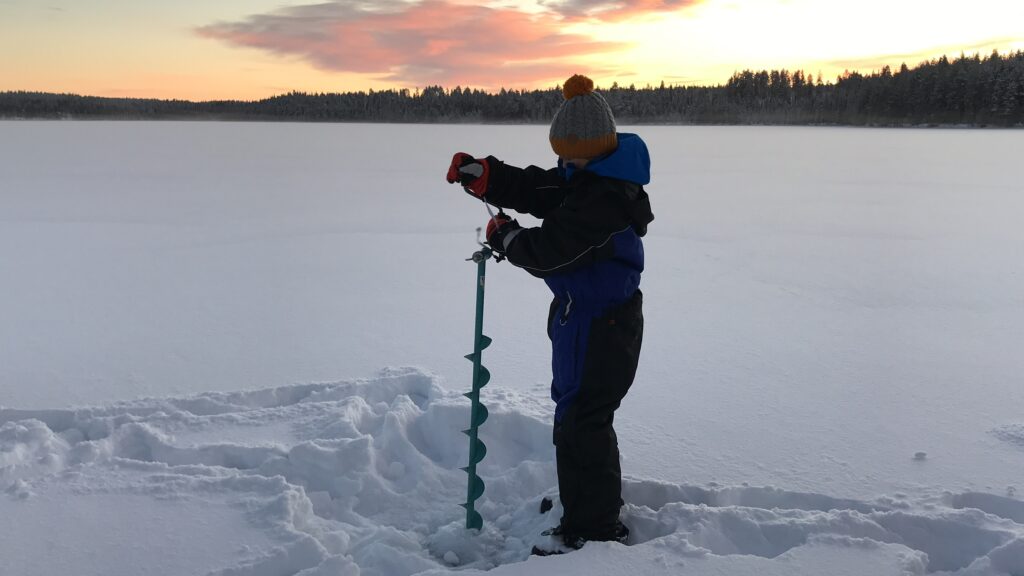
Ice fishing is a traditional Arctic pastime that offers a slower, more peaceful way to experience Lapland. With a guide, you’ll drill a hole in a frozen lake, drop a line, and wait patiently for fish like Arctic char, perch, or trout. While success isn’t guaranteed, the activity is about the atmosphere — the silence of the snowy wilderness, the fresh air, and often a campfire to keep warm. Families will find it relaxing, and children love the excitement of peering into the ice hole. It’s a meditative experience that contrasts perfectly with faster-paced adventures like snowmobiling or husky rides. We tried ice fishing as a family and while we didn’t catch anything we loved the experience. It’s a very magical experience.
28. Don’t miss Lapland’s snow hotels and ice villages
Lapland is home to incredible snow hotels and ice villages, rebuilt every winter from blocks of ice and compacted snow. These magical creations often feature ice sculptures, snow bars, and even chapels where couples can marry. The most famous is the SnowCastle in Kemi, but there are others near Rovaniemi and Levi. Visitors can book overnight stays in ice rooms, wrapped in thermal sleeping bags, or simply take a guided tour during the day. Even if you don’t sleep there, it’s an unforgettable experience to wander through glittering corridors and admire the artistry of the frozen architecture.
29. Explore at least one national park (Pyhä-Luosto, Urho Kekkonen, etc.)
Lapland’s national parks showcase the best of Arctic nature, and visiting at least one is highly recommended. Pyhä-Luosto is known for its ancient forests and rugged fells, while Urho Kekkonen offers vast wilderness areas ideal for multi-day hikes or cross-country skiing. Riisitunturi is famous for its “candle trees” covered in heavy snow, and Lemmenjoki boasts Finland’s largest wilderness river. Each park provides trails for all levels, from short family-friendly walks to adventurous treks. Exploring a national park lets you experience Lapland away from tourist hubs, with breathtaking scenery, wildlife encounters, and the serenity of untouched Arctic landscapes.
30. Check if your resort offers free kids’ snow play areas. -Top tips for Lapland
Many of the resorts have imaginative play areas on offer. These can be a great, free, way to get kids burning off any excess energy. Being close to the hotel can also be great for
Northern Lights tips for Lapland – 31-40 – tips for Lapland
Experiencing the Northern Lights, or Aurora Borealis, is one of the top reasons travellers head to Lapland. The shimmering ribbons of green, purple, and pink that dance across the Arctic sky are unlike anything else in the world. But while the aurora is breathtaking, it’s also unpredictable. Planning carefully, setting the right expectations, and equipping yourself with the right tools will help you make the most of your trip. Here are the top tips to maximise your chances of seeing this magical phenomenon.
31. Visit between September and March for the best chances
Lapland lies within the “auroral oval,” one of the best areas on Earth for Northern Lights viewing. The aurora is visible from late August through early April, but the most reliable window is between September and March. These months bring long, dark nights that create the perfect backdrop for the lights.
September and October are good for travellers who want slightly milder weather and opportunities to combine Northern Lights with autumn hikes or photography. From November through February, Lapland transforms into a snow-covered wonderland, and while the cold can be intense, the atmosphere feels especially magical. March brings longer days and clearer skies, often offering some of the best aurora shows of the year.
32. Choose accommodation away from light pollution

Light pollution is the biggest obstacle to seeing the aurora. Even small towns in Lapland produce enough glow to dim the Northern Lights. If you’re serious about spotting them, choose accommodation in remote areas away from city lights.
Glass igloos, wilderness cabins, and lodges outside places like Levi, Saariselkä, and Inari are ideal. Many resorts position themselves specifically for aurora viewing, offering on-site alarm systems that alert you when activity begins. For families, staying somewhere remote also creates an unforgettable experience: stepping outside your cabin into the snowy silence and gazing at the colours above with no crowds in sight.
33. Download an aurora forecast app – Lapland tips
The Northern Lights are driven by solar activity, which can be forecast to some degree. Downloading an aurora forecast app before your trip gives you real-time updates on geomagnetic activity and cloud cover. Apps like Aurora Forecast, My Aurora Forecast, or local Finnish services can help you decide whether to stay up or head to bed.
These apps often provide hourly forecasts, maps of aurora strength, and alerts when activity increases. They don’t guarantee a sighting, but they significantly improve your chances by helping you know when conditions are most promising. Pair this with a quick check of local weather forecasts for cloud cover, as even strong auroras are invisible behind thick clouds.
34. Stay up late — peak times are 9pm–2am
The aurora can appear at any time of night, but statistically, the most common window for displays is between 9pm and 2am. This means late nights are often necessary, especially if you’re determined to see the lights.
If you’re travelling with children, consider balancing one or two late-night hunts with earlier bedtimes on other nights. Some families bring cosy blankets and hot drinks to help kids stay comfortable while waiting outside. Remember that you don’t need to be awake every single night — just pick the evenings with the clearest forecasts and give yourself the best chance.
35. Be patient — displays can be brief – Top tips for Lapland
Aurora hunting requires patience. Sometimes the lights flare up brilliantly for just a few minutes before fading. Other times they build slowly, dancing across the sky for hours. You might spend hours waiting outside in the cold only to catch a five-minute glimpse — but those moments are worth it.
Setting realistic expectations is key, especially for children. Framing the outing as an adventure rather than a guaranteed event makes the wait more enjoyable. Even if the aurora doesn’t appear, standing in Lapland’s pristine wilderness under a sky filled with stars is still a magical experience in itself.
36. Bring a tripod if you want good photos
Capturing the Northern Lights is notoriously tricky without the right equipment. The lights move quickly and require long exposure settings, which means a steady camera is essential. Bringing a tripod will dramatically improve your photos, keeping your shots sharp even with 10–20 second exposure times.
If you don’t own a tripod, many tours provide them, or you can pick up a lightweight travel version before your trip.
37. Use manual camera settings for long exposures – Top tips for Lapland
Capturing the Northern Lights in all their glory requires a camera capable of manual settings. Adjusting your shutter speed, ISO, and aperture allows you to record the subtle colours and movement of the aurora. Typically, a wide aperture (around f/2.8–f/4) combined with a shutter speed of 5–20 seconds and ISO 800–3200 produces excellent results. Using manual focus and a tripod ensures sharp images. Experiment with different exposure times to find what works best for the sky conditions. Including a foreground element, like a cabin, trees, or snow-covered hills, adds scale and depth to your photos, making them more striking. Even basic cameras or advanced smartphones can benefit from long-exposure settings when paired with a steady support.
38. Glass igloos are a cosy way to see the aurora – tips for Lapland
Glass igloos offer a magical way to experience the Northern Lights without braving freezing temperatures outdoors. Found in Saariselkä, Levi, and Rovaniemi, these lodgings feature transparent roofs or walls, letting you watch the aurora from the warmth of your bed. Some igloos include private jacuzzis, saunas, or family suites, making them ideal for couples and families alike. Waking up to the glowing aurora or returning to see it after a day of Arctic adventures adds a touch of luxury to your Lapland trip. Many resorts also offer hot drinks, breakfast delivery, or outdoor fire pits, enhancing the cosy, unforgettable experience of aurora watching from inside a glass igloo.
39. Hot chocolate by a fire makes waiting more fun for kids
Northern Lights hunting can be a long and chilly process, especially for children. Bringing hot chocolate, warm snacks, or even roasting marshmallows around a small outdoor fire transforms waiting into a fun, interactive activity. Guided Aurora tours often include portable fire pits, blankets, and snacks to keep families comfortable while gazing at the sky. Storytelling, games, or learning about Sami traditions while you wait helps children stay engaged and excited. Turning the night into an adventure rather than just a wait ensures everyone enjoys the experience, making even a short or faint aurora display feel magical. A warm beverage and cozy gathering also provide an extra layer of comfort against the Arctic cold.
40 . Remember — seeing them isn’t guaranteed – Top tips for Lapland
While the Northern Lights are the main attraction for many Lapland visitors, it’s essential to remember that sightings cannot be guaranteed. Aurora activity depends on solar wind conditions, cloud cover, and light pollution, meaning even carefully planned trips may not produce a display. Temper expectations and enjoy the Arctic night as a whole — the snowy landscapes, crisp air, and peaceful wilderness make for a memorable experience on their own. Multiple nights of hunting, guided tours, and staying in remote locations improve your chances, but seeing the aurora is ultimately a natural gift. Embrace the unpredictability, and any sighting becomes even more magical when it happens.
Food and drink – Lapland tips – 41-50
41. Try traditional Lappish dishes like sautéed reindeer and salmon soup
Lapland offers a range of traditional dishes that reflect the region’s Arctic climate and Sami heritage. Sautéed reindeer is a classic, tender and flavourful, often served with mashed potatoes, lingonberry sauce, and seasonal vegetables. Salmon soup, or lohikeitto, is a creamy and warming dish perfect for cold winter days, combining fresh salmon, potatoes, carrots, and dill. Trying these dishes is a great way to experience Lapland’s culture. Many restaurants cater to families, offering smaller portions and milder flavours for children. Sampling local foods also supports small businesses and Sami communities, adding authenticity to your Arctic adventure.
42. Berry desserts with cloudberries and lingonberries are delicious
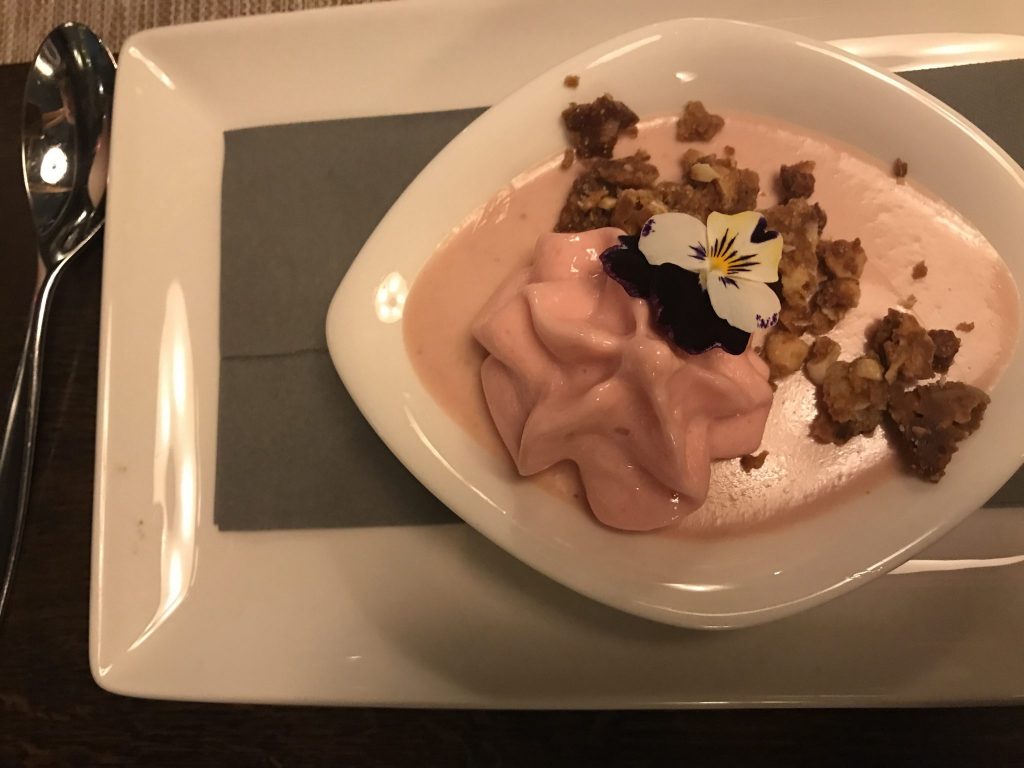
Arctic berries are abundant in Lapland, giving rise to incredible desserts. Cloudberries, with their golden hue and sweet-tart taste, are often served as jams, sauces, or creams alongside pastries or pancakes. Lingonberries provide a tangy contrast and are commonly used in tarts or jams, balancing richer flavours in cakes and puddings. Berry desserts are a highlight for families and adults alike, showcasing the region’s natural produce. Many cafés and restaurants offer berry treats, from simple tarts to elaborate creations with local cream and chocolate. Sampling these desserts provides both a taste of Lapland’s unique flora and a delightful treat during snowy adventures. Our favourite is definitely cloudberries, they have such a mild but beautiful flavour.
43. Vegetarian options are increasingly available in Lapland
While Lapland is traditionally known for its meat and fish dishes, vegetarian options are becoming more common. Many restaurants now provide vegetable stews, mushroom-based dishes, and plant-based adaptations of traditional meals. Hotels and resorts often offer balanced buffets including grains, salads, root vegetables, and soups suitable for vegetarians. Even during winter activities like snowmobiling or husky safaris, hot meals with vegetarian options are increasingly offered. Self-catering accommodations also provide opportunities to cook with local vegetables, Arctic berries, and herbs. Families with vegetarian children will find that planning ahead and checking menus in advance ensures everyone can enjoy delicious and authentic Lapland cuisine. We are a vegetarian family and we have always enjoyed the food in Lapland. And found it plentiful. We’ve had some delicious meals.
44. Supermarkets stock familiar snacks if kids are fussy – Top tips for Lapland
Lapland’s towns and villages, including Rovaniemi, Levi, and Saariselkä, have supermarkets with familiar snacks and packaged foods, making mealtimes easier for children. Items like pasta, cereals, fruit juices, and even international brands are readily available. This is particularly helpful if kids are picky eaters or need comfort foods between Arctic adventures. Many larger supermarkets also stock frozen foods, ready meals, and bread, allowing families to self-cater easily. It’s worth visiting bigger towns for a wider selection. Having snacks on hand is also useful during excursions, snow activities, or long drives through the Arctic landscape, ensuring children stay happy and energised. We have been self caatering in Lapland a couple of times and always found enough to cook up from the supermarkets, even as vegetarians.
45. Try a hot berry juice at winter activities — it’s a Lapland tradition
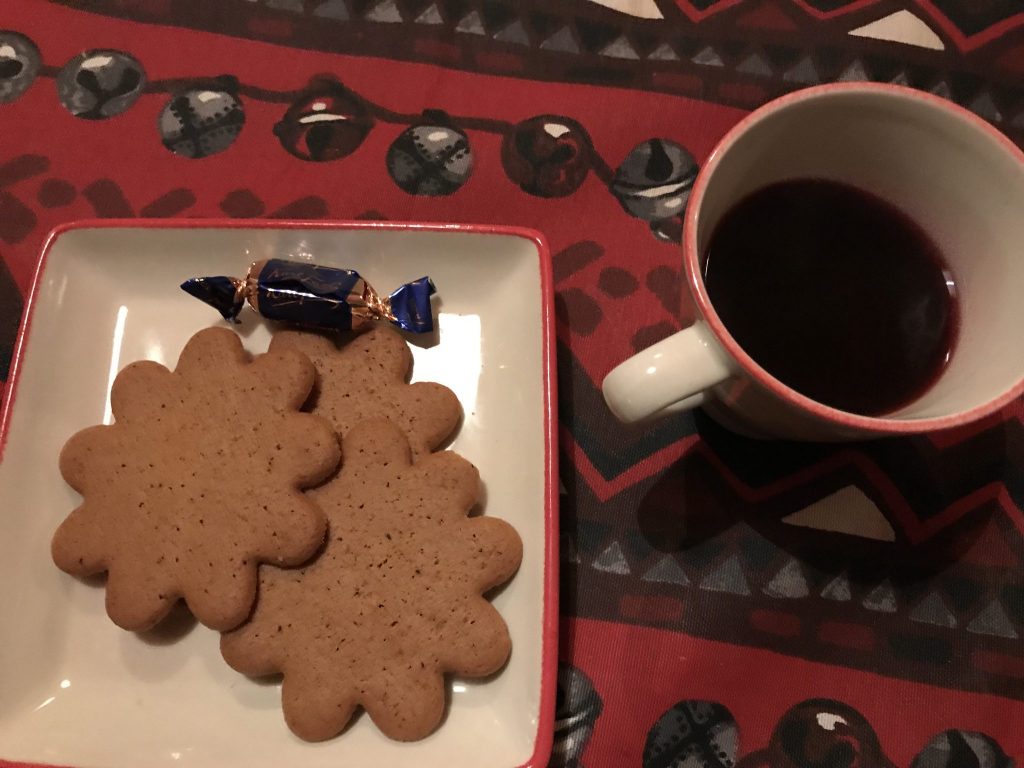
Hot berry juice, or mehu, is a staple drink in Lapland during winter. Made from locally foraged berries such as lingonberries, blueberries, or cloudberries, it is sweet, warming, and often spiced with cinnamon or clove. Served at outdoor winter activities like husky safaris, snowmobiling, or reindeer rides, it provides a comforting break in the cold Arctic air. For children, it’s both tasty and healthy, giving a boost of natural vitamins and antioxidants. Hot berry juice is more than a drink; it’s a cultural tradition that connects visitors to Lapland’s forests and harvests while offering a memorable, cozy moment in snowy landscapes.
46. Coffee culture is strong in Finland — cafés are everywhere
Coffee, or kahvi, is a major part of Finnish daily life, and Lapland is no exception. Cafés and coffee shops are abundant in towns like Rovaniemi, Levi, and Saariselkä, serving freshly brewed coffee alongside pastries, cinnamon rolls (korvapuusti), and Arctic berry desserts. Finns often enjoy multiple coffee breaks a day, making cafés welcoming spaces for families to rest and warm up. Many establishments also offer hot chocolate and kid-friendly drinks. Visiting local cafés provides insight into Finnish culture and an opportunity to sample local baked goods. It’s a perfect way to take a break during sightseeing, skiing, or after Northern Lights excursions.
47. If self-catering, shop in bigger towns for more choice – Lapland tips
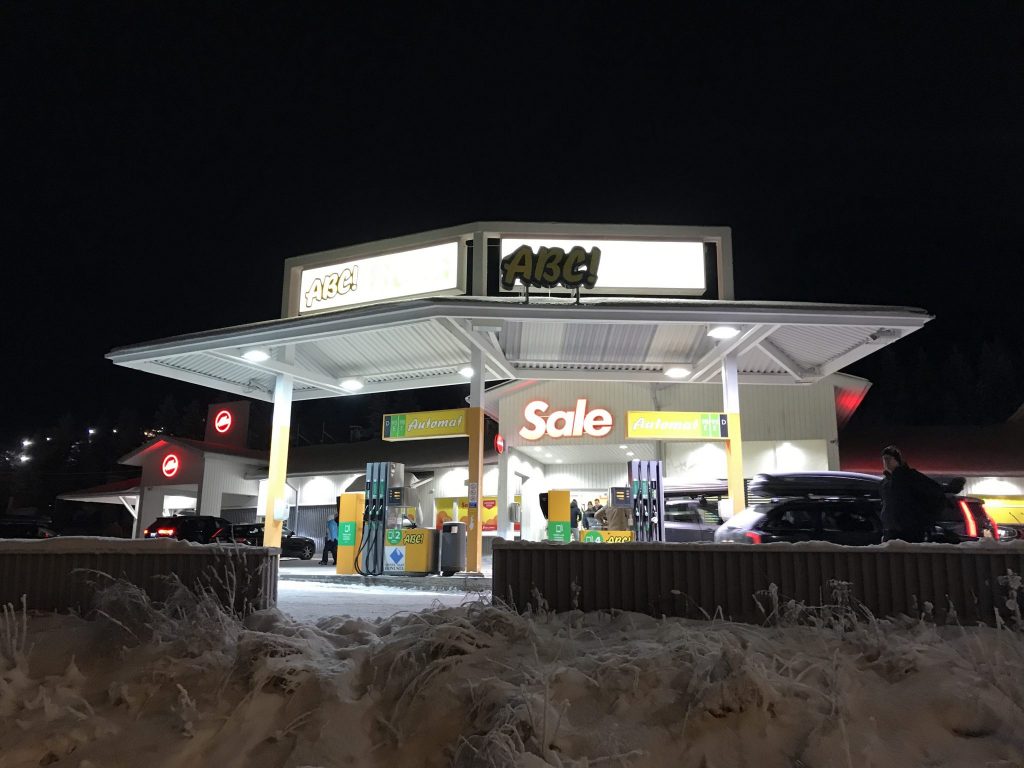
If you’re staying in a self-catering cabin or apartment in Lapland, it’s best to do your main shopping in larger towns like Rovaniemi, Levi, or Ivalo. Small village shops can be limited in stock, particularly for fresh produce, international ingredients, and pantry essentials. Stocking up in a bigger supermarket before heading to remote locations ensures you have enough supplies for your stay. Families benefit especially from this, as children often prefer familiar foods. Planning meals ahead and purchasing larger quantities of staples like bread, dairy, and snacks makes self-catering in Lapland both practical and cost-effective.
48. Bring favourite spices or sauces if your children are picky eaters
Lapland’s traditional cuisine, while delicious, often features flavours that may be unusual for children, including reindeer, fish, and tart berries. Bringing your own spices or sauces can help picky eaters enjoy meals and adjust more comfortably to local dishes. Essentials such as ketchup, soy sauce, mild curry powder, or hot sauce can complement Lappish ingredients without compromising authenticity. This is particularly useful when staying in self-catering accommodation or remote lodges with limited pantry items. Small, travel-friendly containers are ideal for packing. Combining familiar tastes with local flavours allows children to experience Lapland’s culinary culture without mealtime stress.
49. Drinking tap water is safe — and very pure – Top tips for Lapland
One of the benefits of travelling in Lapland is access to incredibly clean and safe tap water. Sourced from Arctic lakes and wells, it is among the purest in Europe, making it perfect for drinking, cooking, or preparing baby formula. Families can fill thermoses or bottles before excursions, snowmobiling trips, or long hikes without needing bottled water. The fresh, crisp taste enhances hot drinks such as tea, coffee, and hot berry juice. Regular hydration is especially important in cold climates, helping to maintain energy levels during winter activities and ensuring everyone stays warm and healthy while exploring the Arctic environment.
50. Alcohol is expensive — buy duty-free if you want it – Lapland tips

Alcohol in Lapland is heavily taxed, meaning drinks at restaurants, bars, and even supermarkets can be significantly more expensive than at home. Stronger beverages are only sold in Alko stores, while supermarkets carry only lower-strength options. For travellers planning to enjoy wine, beer, or spirits, purchasing duty-free alcohol before arrival can save a substantial amount. This is particularly useful for families celebrating special occasions or adults wishing to have a few drinks with meals. Planning ahead avoids expensive last-minute purchases in remote areas or resorts, allowing you to enjoy your holiday without stretching your budget unnecessarily. Saying that we did like picking up some cloudberry liquor to enjoy a little warming shot of.
Accommodation – 51-60 – Top tips for Lapland
51. Book unique stays like glass igloos, ice hotels, or log cabins
Lapland is famous for its extraordinary accommodations, from glass igloos offering panoramic Northern Lights views to ice hotels sculpted entirely from snow and ice. Log cabins, traditional and cozy, provide an authentic Arctic experience. Booking these unique stays adds magic to your holiday and creates memorable experiences for the whole family. Many of these lodges are located in remote wilderness areas, offering privacy, scenic surroundings, and direct access to winter activities such as husky safaris or snowmobiling. Due to their popularity, it’s crucial to reserve well in advance, especially during peak winter months, to secure your preferred dates and type of accommodation.
52. Standard hotels often include half board (breakfast + dinner)
Many hotels in Lapland, particularly in Rovaniemi, Levi, and Saariselkä, offer half-board packages that include breakfast and dinner. This can be especially convenient for families, as it reduces the need to find evening meals in remote areas during cold weather. Buffets often feature both traditional Lappish dishes and international options, catering to children and adults alike. Half-board also allows families to plan their days around activities without worrying about where to eat. Some hotels even offer hot meals for takeaway on excursion days. Choosing half-board is a practical option for travellers seeking convenience, comfort, and a taste of local cuisine during their Arctic adventure.
53. Cabins are great for families needing space and self-catering
Cabins in Lapland are perfect for families seeking extra space, privacy, and self-catering facilities. Many come with fully equipped kitchens, multiple bedrooms, and cozy living areas, allowing everyone to relax after a long day of winter activities. Self-catering means you can prepare meals for picky eaters, bring familiar foods, or cook local ingredients like salmon and reindeer at your own pace. Cabins often include saunas, private porches, and direct access to snowy trails, making them ideal for both comfort and convenience. For larger groups or multi-generational trips, cabins provide flexibility and a home-like environment in the heart of the Arctic wilderness.
54. Saunas are common — even budget places often include them
One of the quintessential Lapland experiences is the sauna, and they’re available in nearly every type of accommodation, from budget lodges to luxury resorts. Saunas are an integral part of Finnish culture, offering relaxation and a warm respite from freezing Arctic temperatures. Many hotels, cabins, and resorts have private or communal saunas, often accompanied by a cold plunge or snow-dipping option for the brave. Saunas are perfect for families, providing a calming space after a day of skiing, dog sledding, or snowshoeing. Even budget accommodations often include access, ensuring all visitors can enjoy this traditional, restorative Arctic ritual.
55. Check if warm outerwear is provided by your hotel – Top tips for Lapland
Some Lapland hotels, lodges, and resorts provide winter clothing, including thermal suits, snow boots, gloves, and hats, as part of activity packages. This can be a huge benefit for families travelling with children, as it reduces packing and ensures everyone has suitable, high-quality gear for the extreme Arctic cold. If your accommodation does not provide clothing, check rental options nearby or consider bringing your own insulated layers. Knowing what is supplied helps plan your daily excursions, such as husky safaris, reindeer rides, or Northern Lights hunting, without worrying about inadequate clothing. Always confirm inclusions when booking to avoid last-minute stress.
56. Resorts near ski slopes (Levi, Ylläs, Ruka) are ideal for mixed activities
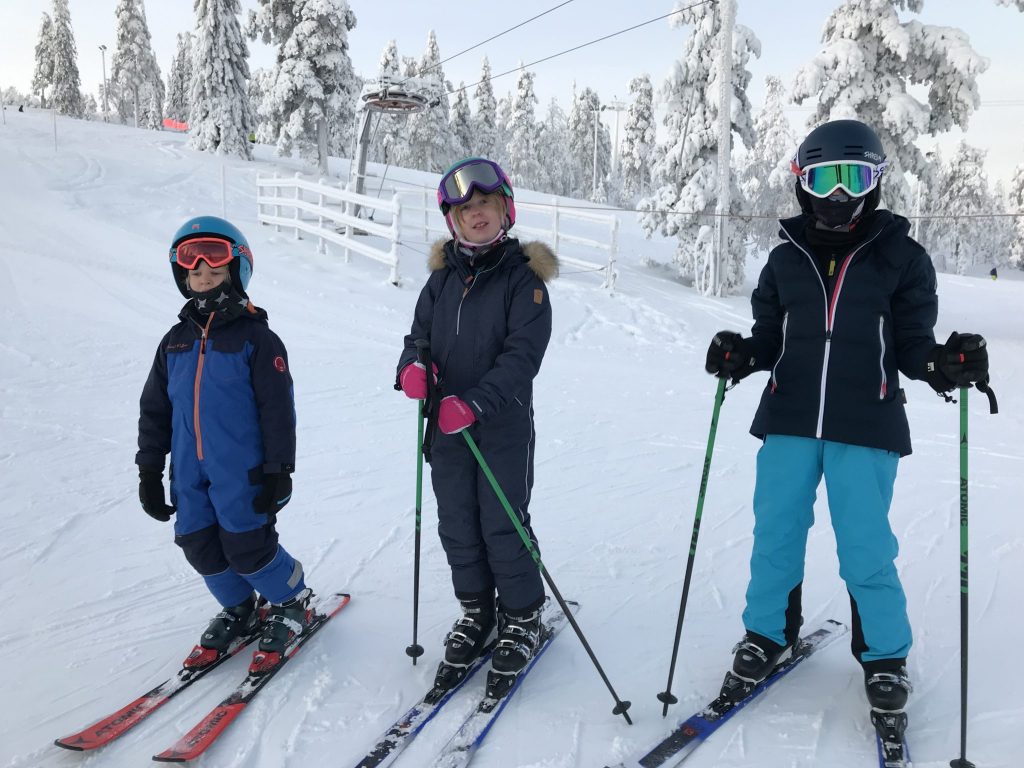
Lapland resorts close to ski slopes, like Levi and Ylläs, are perfect for combining winter sports with family-friendly activities. These areas offer downhill skiing, cross-country trails, snowboarding, and snowshoeing, alongside husky and reindeer experiences, Northern Lights tours, and snowmobile safaris. Staying near slopes saves travel time, allowing more activity and less commuting in cold weather. Many resorts provide ski schools, rental equipment, and childcare options, making it easy for familes. We took an amazing ski stip to Ruka and loved combining it with a trip to Lammintupa for reindeer rides and husky sleighs and to Santa’s cottage.
57. Inari and Saariselkä are quieter, more authentic options – Lapland tips
Inari and Saariselkä are ideal for families seeking a peaceful, authentic Lapland experience. These northern towns are surrounded by vast wilderness, frozen lakes, and dense forests, perfect for snowshoeing, cross-country skiing, or Aurora watching. Unlike busier resorts, the pace here is slower, allowing you to enjoy nature and local culture fully. Sami villages, reindeer farms, and traditional handicraft shops provide insight into Lapland’s heritage. Accommodations in these areas range from cosy cabins to small hotels, often with easy access to outdoor trails. Staying here gives families a serene retreat in the heart of the Arctic.
Read our guide to Saariselka here.
58. Many accommodations have kids’ playrooms or activities
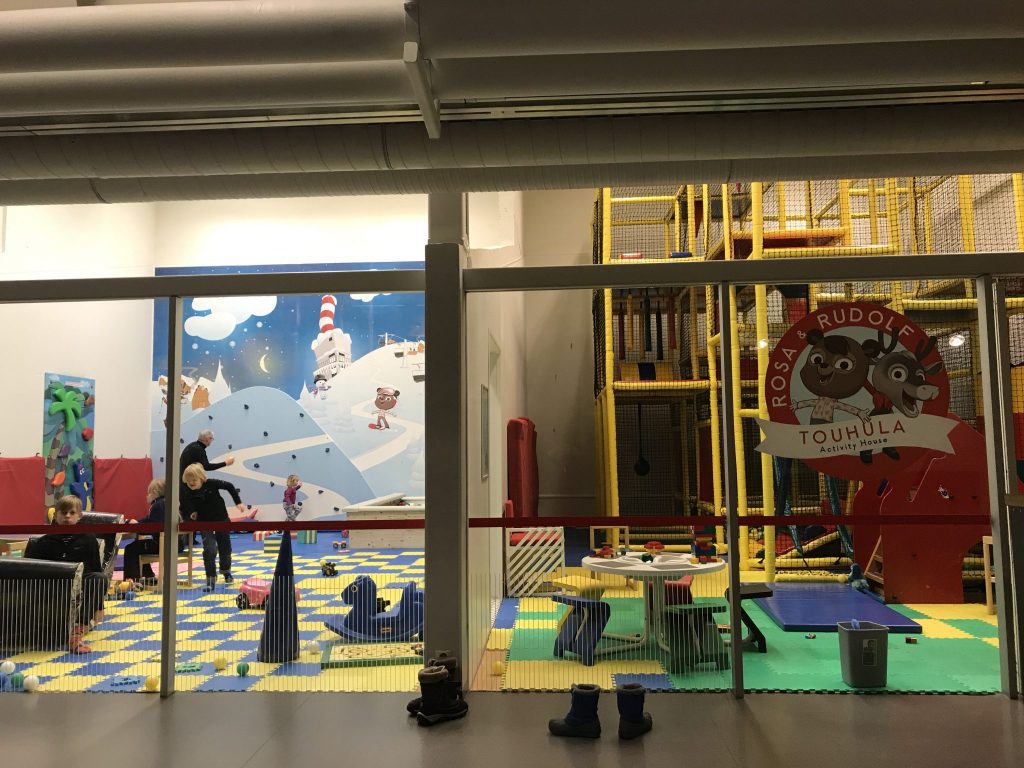
Family-focused accommodation in Lapland often features kids’ playrooms, supervised activities, or winter sports classes. Hotels and resorts may offer indoor play areas, arts and crafts workshops, or outdoor snow zones for sledding and mini ski slopes. These facilities are especially useful when weather limits outdoor adventures or for giving adults time to relax. Some properties also provide child-friendly meal options and entertainment programmes, ensuring younger visitors are engaged and happy. Choosing lodgings with family-oriented amenities makes the Arctic holiday more enjoyable for everyone, balancing adventure and downtime while keeping children entertained, safe, and immersed in Lapland’s winter magic.
59. Consider splitting your stay between two regions – tips for Lapland
Splitting your Lapland stay between two regions is a smart way to experience the full variety of the Arctic. For example, start in Rovaniemi to enjoy Santa experiences, museums, and restaurants, then travel north to Saariselkä or Inari for wilderness adventures, Northern Lights viewing, and reindeer encounters. This approach reduces long daily transfers and allows you to enjoy both urban and remote settings. Families can experience different landscapes, activities, and accommodations, from glass igloos to cosy cabins. Planning your trip across multiple regions ensures a richer, more diverse Arctic holiday, creating lasting memories for both adults and children.
60. Don’t overlook smaller boutique lodges for charm
Boutique lodges in Lapland often provide charm, character, and personalised service that larger resorts can’t match. These small properties may feature individually decorated rooms, unique architecture, and attentive staff who can tailor experiences to your family’s needs. Many are set in scenic, secluded locations, ideal for Aurora viewing or peaceful winter walks. They often combine cosy interiors, local cuisine, and amenities such as private saunas or fireplaces. Staying in a boutique lodge allows families to enjoy a more intimate, authentic Arctic experience, away from crowded resorts, giving a sense of retreat, privacy, and personalised hospitality that enhances a Lapland holiday.
Getting around – top tips for Lapland – 61-70
61. Public buses connect most towns but can be infrequent – Lapland tips
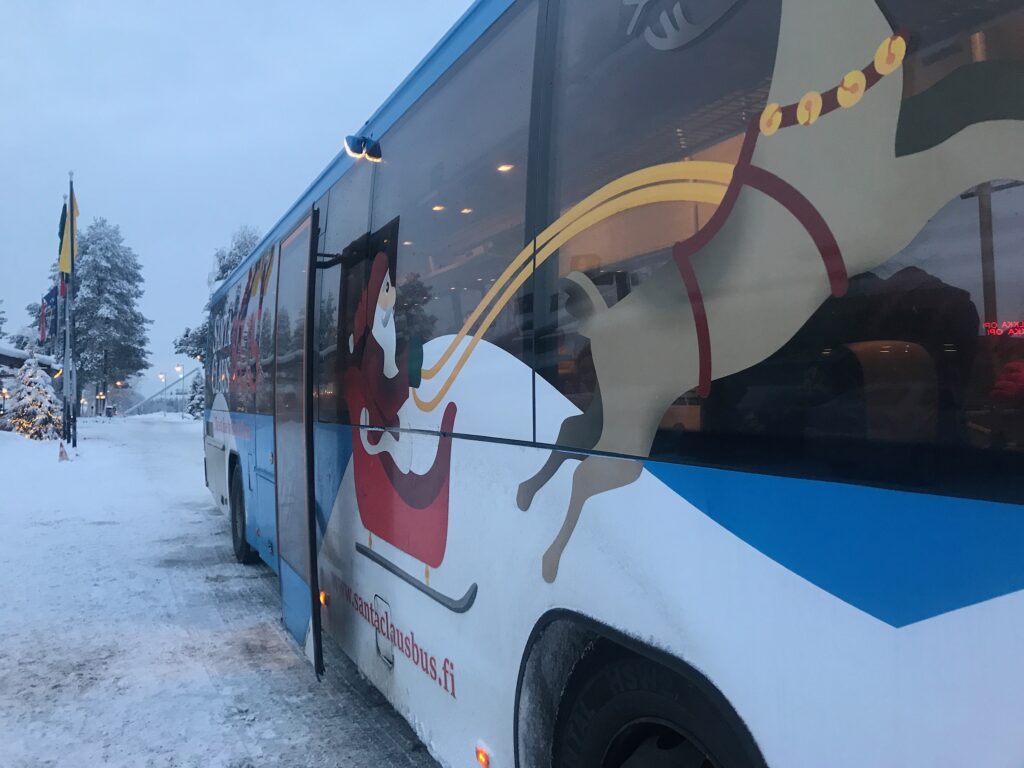
Public buses in Lapland provide a convenient and eco-friendly way to travel between towns and villages. Most major towns, including Rovaniemi, Levi, and Saariselkä, are connected, but services can be limited, especially on weekends or in smaller communities. Timetables are often seasonal, with winter schedules catering to tourists attending ski resorts or Aurora tours. While buses are reliable and reasonably priced, infrequent departures mean planning ahead is essential. Families should check schedules in advance, allow extra time for connections, and consider combining bus travel with guided excursions or transfers offered by hotels for greater flexibility and convenience. We used the bus to travel all around Rovaniemi very successfully so would recommend it.
62. Hiring a car gives flexibility but check it has winter tyres
Hiring a car in Lapland offers unmatched flexibility, allowing families to explore remote areas at their own pace. It’s ideal for visiting multiple resorts, national parks, and smaller villages where public transport may not reach. Make sure the rental vehicle is equipped with winter tyres — legally required in snowy conditions — and confirm it has necessary safety equipment, such as snow chains. GPS or offline maps are essential due to limited mobile coverage in remote regions. A car also makes it easier to transport gear for skiing, snowshoeing, or reindeer visits, giving families freedom to shape their Arctic itinerary.
63. Driving on icy roads requires confidence — avoid if nervous
Driving in Lapland during winter can be challenging due to icy roads, deep snow, and limited daylight. Even experienced drivers must be cautious on narrow, rural roads with hidden ice patches. Families should consider whether they feel confident handling these conditions; if not, relying on guided transfers or public transport may be safer. When driving, reduce speed, maintain long following distances, and carry emergency supplies, including blankets, snacks, and a fully charged phone. Local rental agencies often provide winter driving instructions, but inexperienced drivers should weigh the risks carefully. Safety is paramount to ensure a stress-free Arctic adventure.
64. Taxis are expensive; pre-book if possible – Top tips for Lapland
Taxis in Lapland are generally more expensive than in urban areas, partly due to long distances and limited availability. Pre-booking is highly recommended, especially in winter when road conditions are tricky and spontaneous availability is rare. Many hotels, resorts, and local tour operators can arrange reliable taxis for airport transfers or short trips between towns. For families with children, booking in advance ensures the vehicle can accommodate car seats or extra luggage. While costly compared to buses or driving, taxis provide a convenient, warm, and stress-free way to travel, particularly for late-night arrivals, Aurora tours, or destinations off the main bus routes.
65. Snowmobiles are fun but have strict age limits for children
Snowmobile safaris are a thrilling way to explore Lapland’s winter landscapes, from frozen lakes to snow-covered forests. Guided tours provide safety instructions, helmets, and protective clothing, ensuring families can enjoy the adventure securely. However, strict age limits mean young children cannot drive; often, only teenagers or adults can operate snowmobiles. Younger children can ride as passengers with a responsible adult. Safety briefings, adherence to speed limits, and proper clothing are essential. While snowmobiling is an unforgettable Arctic experience, families should plan accordingly, respecting regulations and ensuring all participants feel comfortable and secure on this high-speed snowy adventure.
66. Songthaew-style sled taxis exist in some towns for short trips – tips for Lapland
In Lapland, some towns and resorts offer Songthaew-style sled taxis — small, open-air sleds pulled by snowmobiles or horses — for short journeys. These are a fun and uniquely Arctic way to get around, especially for families with children. Ideal for transfers from hotels to ski lifts, reindeer farms, or nearby attractions, they combine transport with a memorable experience. Weather conditions and snow depth can affect availability, so check in advance. Dress warmly, with waterproof layers, gloves, and hats, as the ride can be chilly. Riding these sled taxis is a fun introduction to local winter travel traditions.
67. Check transfer times when booking flights + accommodation combos
When booking flights and accommodation in Lapland, it’s vital to check transfer times carefully. Many resorts are located far from airports, and winter conditions can slow travel. Allow sufficient time between flights, connecting buses, or shuttles to avoid stress. Some hotels include transfer packages, which are convenient for families with children and luggage. If planning multiple destinations, consider realistic travel times, road conditions, and daylight hours. Pre-booking transfers ensures smooth arrivals and departures, particularly in peak winter months. Planning ahead prevents delays and lets you enjoy your Arctic itinerary from the moment you land in Lapland.
68. Pack entertainment and clothing for children on long transfers – Lapland tips
Lapland’s vast distances mean families often face long transfers by car, bus, or train. To keep children entertained, pack activities such as colouring books, tablets with headphones, travel games, and snacks. Audiobooks and music playlists are also excellent for keeping kids engaged while enjoying the snowy scenery outside. Comfortable, layered clothing and blankets make long trips more pleasant, especially when waiting at stations or bus stops. Break up journeys with short stops for fresh air and quick play in the snow. Proper planning ensures long transfers are enjoyable rather than stressful, letting the whole family arrive relaxed and ready to explore Lapland.
69. Overnight trains from Helsinki to Rovaniemi are magical

Taking an overnight train from Helsinki to Rovaniemi is a unique and memorable way to reach Lapland. Comfortable sleeper cabins allow families to rest while travelling through Finland’s snowy landscapes. Watching towns, forests, and frozen lakes pass by from the window is enchanting, especially as the scenery gradually turns more Arctic. Some trains offer family compartments, making it easier to keep children entertained and cozy during the journey. Arriving refreshed in Rovaniemi, you’re ready for Arctic adventures, including Santa Claus Village, reindeer rides, and Northern Lights tours. Overnight trains combine practical transport with a magical start to a Lapland holiday. On our budget trip to Lapland we took the Santa Express train and absolutely loved it.
Read all about our Santa Express trip (and see our video of time onboard) here
70. Walking short distances is part of the experience — just wrap up warm
Lapland encourages exploration on foot, whether wandering around resort villages, national parks, or snowy lakesides. Walking short distances is often necessary between hotels, activity centres, and restaurants, and it’s an integral part of experiencing the Arctic environment. Layered clothing, waterproof boots, gloves, hats, and scarves are essential to stay warm during these short treks. Walking also allows families to pause and appreciate the snowy landscapes, spot wildlife tracks, and enjoy spontaneous snow play. Even brief walks can be magical in the winter wonderland, and planning for warmth and comfort ensures these daily excursions remain enjoyable for all ages. We also found that there were lots of sledges to pick up to pull kids on if they are tired.
Family and child-friendly advice – 71-75
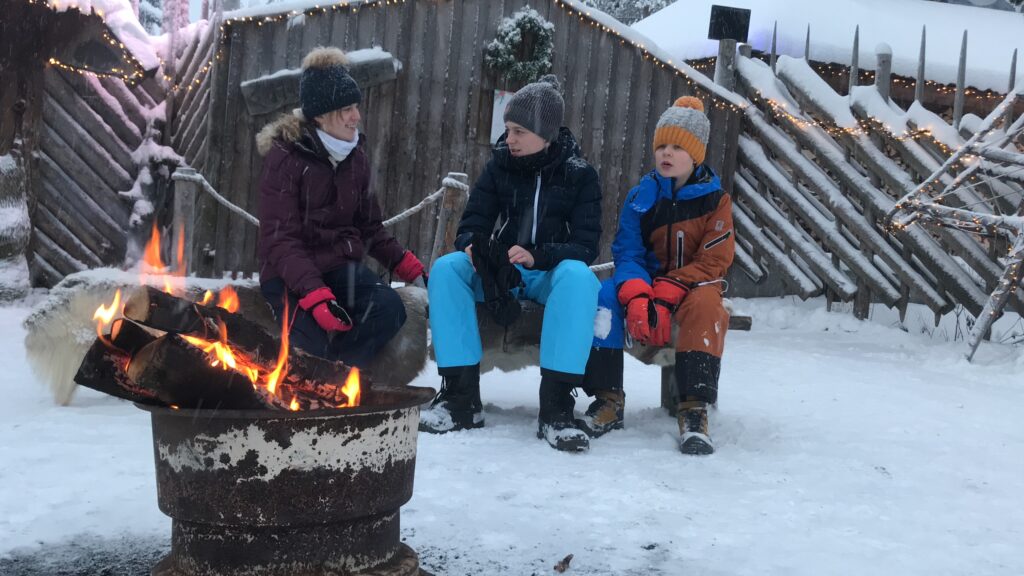
71. Keep activity slots short for young children — 1–2 hours max – Top tips for Lapland
In Lapland, the cold and excitement can be overwhelming for young children, so it’s best to keep activity slots short — ideally one to two hours. While adults may enjoy longer excursions, children can tire quickly in the Arctic climate, especially when bundled in heavy winter clothing. Opt for shorter husky or reindeer rides, mini snowmobile circuits, or brief Northern Lights tours designed with families in mind. Breaking up activities with warm indoor breaks for snacks and play helps children recharge. Prioritising shorter sessions ensures little ones remain happy, engaged, and comfortable throughout their Lapland adventure.
72. Always check age/height restrictions before booking tours
Many Lapland experiences have age or height restrictions, particularly for safety reasons. For example, snowmobile tours usually require drivers to be adults with licences, and children may need to ride in special sledges. Husky safaris, reindeer rides, and even some icebreaker cruises may also have minimum age requirements. Always check details before booking to avoid disappointment at the activity centre. Many operators offer family-friendly alternatives so younger children don’t miss out. Planning ahead ensures the experiences you choose are suitable for everyone in your group, keeping safety and enjoyment a top priority while maximising the magic of your Lapland holiday.
73. Sledges are often provided for pulling toddlers along snowy paths
One of the most practical and fun ways to transport toddlers in Lapland is by sledge. Many resorts and activity providers supply small sledges that parents can use to pull children along snowy paths, turning routine walks into mini adventures. This not only saves little legs from tiring quickly but also adds to the sense of fun and exploration. Ensure children are wrapped warmly with blankets or sleeping bags for extra insulation. Some families even bring their own compact travel sledges. Using sledges makes it easier to enjoy long walks, excursions, and village strolls without worrying about little ones tiring.
74. Bring small toys, colouring, or games for downtime in cabins – Top tips for Lapland
While Lapland is full of outdoor adventure, there’s also a lot of downtime, especially in the evenings when families retreat to cosy cabins or lodges. Bringing small toys, colouring books, puzzles, or travel games keeps children happily occupied during these quiet moments. Tablets loaded with films or apps can also be useful, especially on longer nights. Having familiar activities helps kids unwind after the excitement of husky rides, reindeer safaris, or snow play. It also gives parents a chance to relax by the fire. Preparing for indoor entertainment ensures the trip remains smooth and enjoyable for the whole family.
75. Remember — Lapland is about magical moments, not cramming in every activity
With so many incredible experiences in Lapland, it can be tempting to overfill your itinerary. However, the most memorable family moments often come from the simplest experiences: spotting reindeer tracks, sipping hot berry juice by a campfire, or watching the Northern Lights as a family. Avoid trying to fit in too many tours in a short time, especially with children who need rest and flexibility. Leave space for spontaneous snow play, sledging, or cosy evenings in your cabin. Focusing on magical highlights rather than ticking off a long list ensures your Lapland trip feels relaxed, joyful, and truly unforgettable.
We hope you have an amazing time in Lapland and fall in love with the region as much as we have.
Check out our complete guide to Lapland with kids