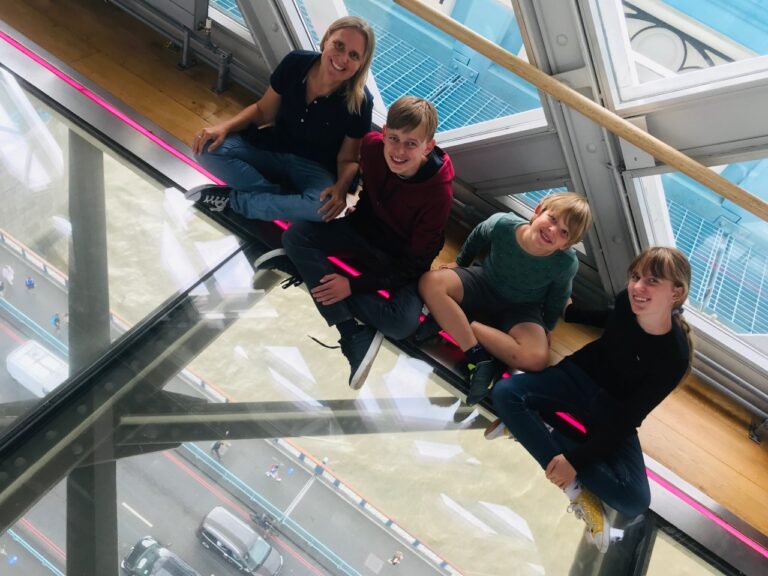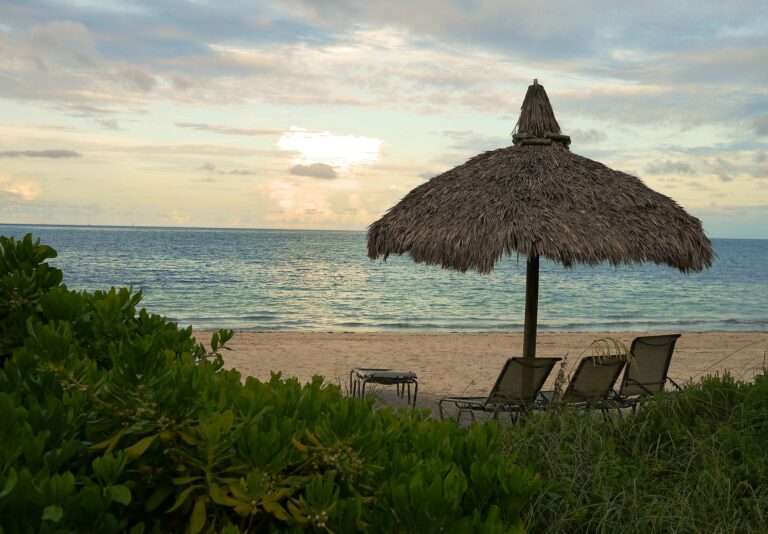
Travelling off the beaten track in Europe isn’t just about discovering hidden gems – it’s about connecting with communities, understanding their stories, and seeing how travel can make a positive difference. From villages rebuilding after hardship to regions where tourism preserves culture and livelihoods, these journeys go far beyond sightseeing. We love to get off the beaten track as much as possible, especially when travelling with our kids. Here are ten lesser-known destinations and unusual European holiday destinations where meaningful travel meets memorable adventure.
👩💻 About the author – Nichola is a family travel expert and has written for The Guardian, The Telegraph, Lonely Planet Magazine and Wanderlust, amongst many others. She’s spent over a decade travelling the world with her children, finding the best places for you to explore too.
*AD / This post contains affiliate links & as an Amazon Associate we earn from qualifying purchases. We may also have been compensated in this post either financially or with products / stays. To read more see our Disclosure Policy.
Table of Contents
Albania
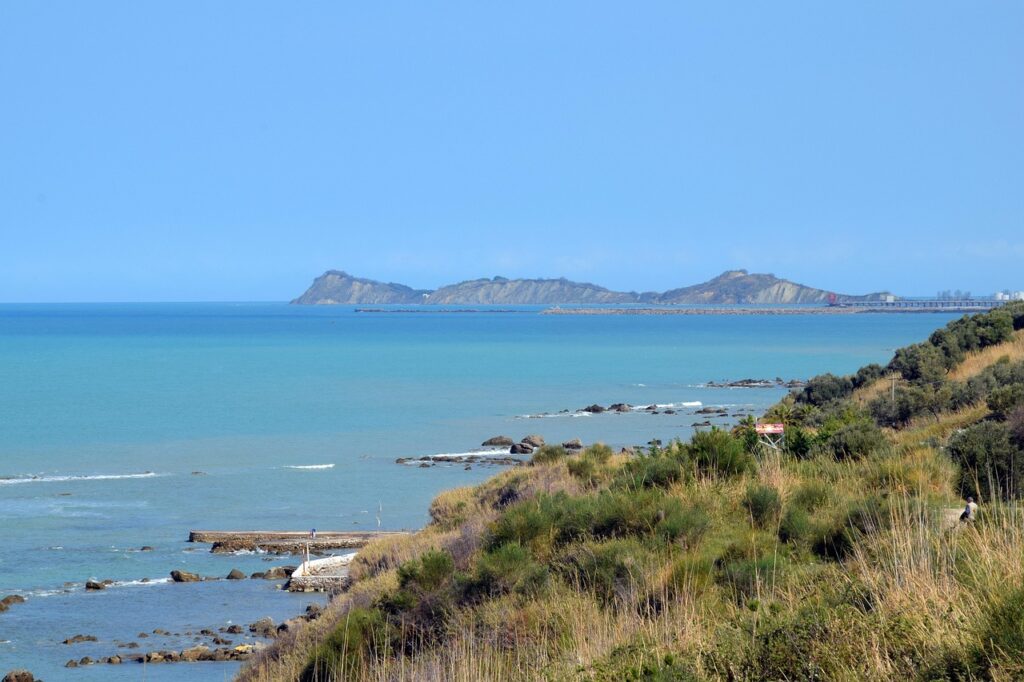
Tucked between rugged mountains and the Adriatic coast, Albania remains one of Europe’s most underrated treasures. Small coastal towns such as Himarë and Vlorë offer a glimpse of the Mediterranean before mass tourism arrived – quiet beaches, Byzantine fortresses, and crystal-clear water abound.
Local families welcome travellers with warmth, serving homemade olive oil, wine, and dishes steeped in tradition. Staying in guesthouses or family-run hotels helps keep these communities thriving. Inland, the Accursed Mountains provide incredible hiking opportunities, with trails linking tiny hamlets that still live by ancient customs. Albania is raw and beautiful – a place that rewards curious travellers.
Bosnia and Herzegovina – unusual European holiday destinations

Few places in Europe tell stories of resilience as powerfully as Bosnia and Herzegovina. In Mostar, the iconic Stari Most bridge, destroyed during the war and rebuilt stone by stone, stands as a symbol of hope and unity. Crossing it is a moving experience for adults and children alike.
Further south, the town of Trebinje exudes calm, with riverside cafés and lively markets. Travelling here supports families rebuilding through tourism, while giving visitors the chance to engage with local life. Whether you’re wandering through Ottoman alleys or joining a cooking class to make traditional ćevapi, every moment in Bosnia feels deeply rooted in resilience and renewal.
Estonia

Away from Tallinn’s medieval charm, Estonia’s islands offer a world of quiet simplicity. On Saaremaa and Hiiumaa, wooden windmills dot the landscape, and time seems to slow down. Family-run farm stays invite visitors to help with seasonal work, sample local honey, and experience life close to nature.
Eco-tourism here isn’t just a trend – it’s a way of life. Many small communities focus on sustainability, using solar power and organic farming methods. Cycling, birdwatching, and forest walks offer gentle adventures for families. It’s a reminder that sometimes, the most rewarding journeys are the calmest ones.
Latvia
Latvia’s countryside is a treasure trove for families seeking nature and authenticity. Beyond Riga’s cobbled streets, rural Latvia reveals its charm through wild forests, wooden farmsteads, and centuries-old traditions. In regions like Latgale or Kurzeme, visitors can join local festivals, bake rye bread, or try traditional crafts such as pottery and weaving.
Staying in small guesthouses allows travellers to connect directly with the people preserving these customs. Latvia’s natural parks are perfect for gentle exploration – canoeing, swimming in pristine lakes, or spotting wildlife. It’s an ideal destination for families who want a peaceful yet culturally rich escape.
Portugal

While Lisbon, Porto and the Algarve draw the crowds, the Alentejo region remains Portugal’s quiet heart. Rolling fields, cork forests, and whitewashed villages define this landscape, where life moves at an unhurried pace. Here, slow tourism thrives – visitors are encouraged to cycle between villages, learn traditional cooking, or take part in community-led conservation projects.
Biodiversity and culture intertwine beautifully in this region. You might find yourself learning to make olive oil in a family press or joining a festival celebrating the grape harvest. The Alentejo reminds us that meaningful travel doesn’t need grandeur – just openness and time.
Read our complete guide to Portugal with kids here.
Romania – unusual European holiday destinations
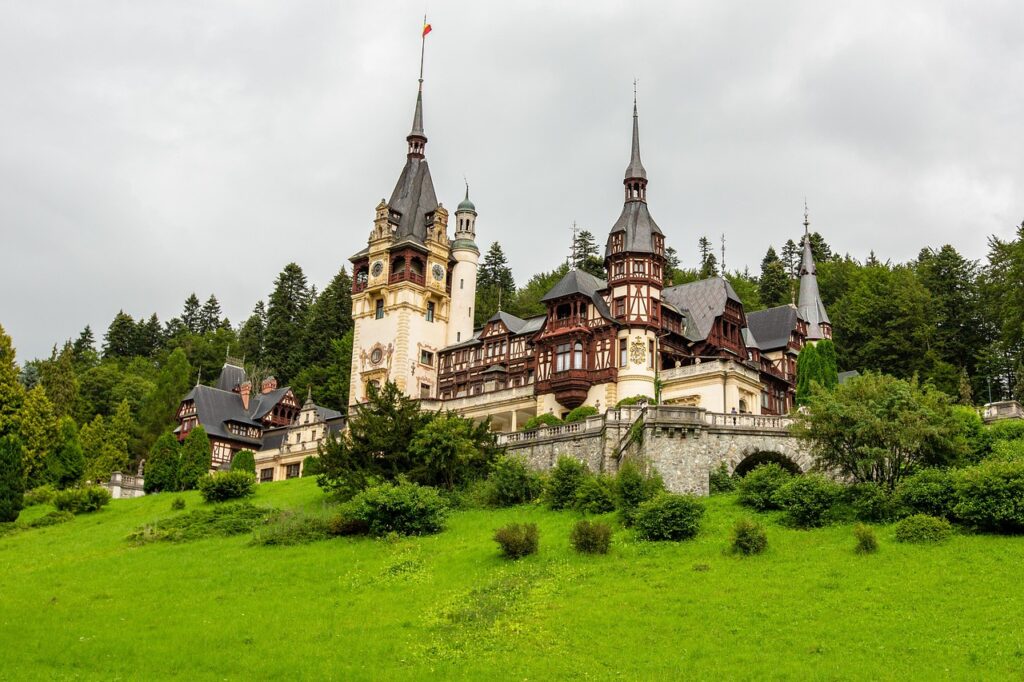
Transylvania offers so much more than legends of Dracula. In this part of Romania, ancient villages nestle among meadows and forests, their fortified churches standing as guardians of history. Staying in restored Saxon houses gives travellers a sense of living within the landscape’s rhythm.
Tourism here plays a vital role in conserving heritage and supporting local crafts. You can join a shepherd for cheese-making, cycle between villages, or learn traditional embroidery. Children, especially, find the combination of folklore and outdoor freedom enchanting. Transylvania is proof that sustainable tourism can keep traditions alive while welcoming the modern world.
Greece
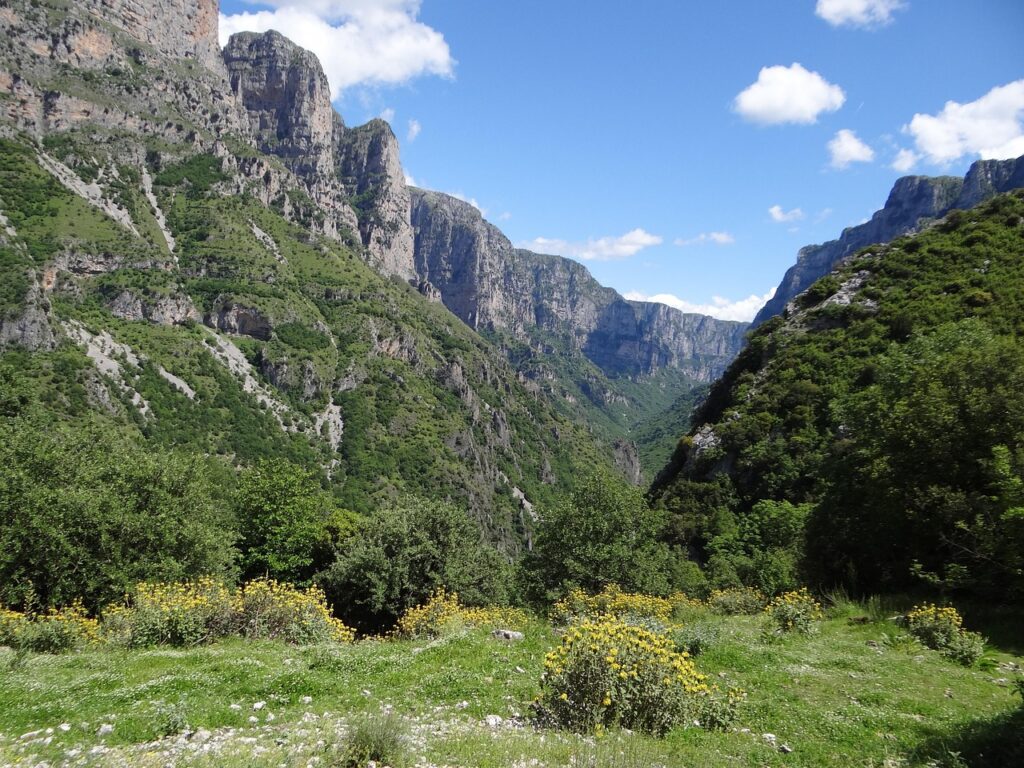
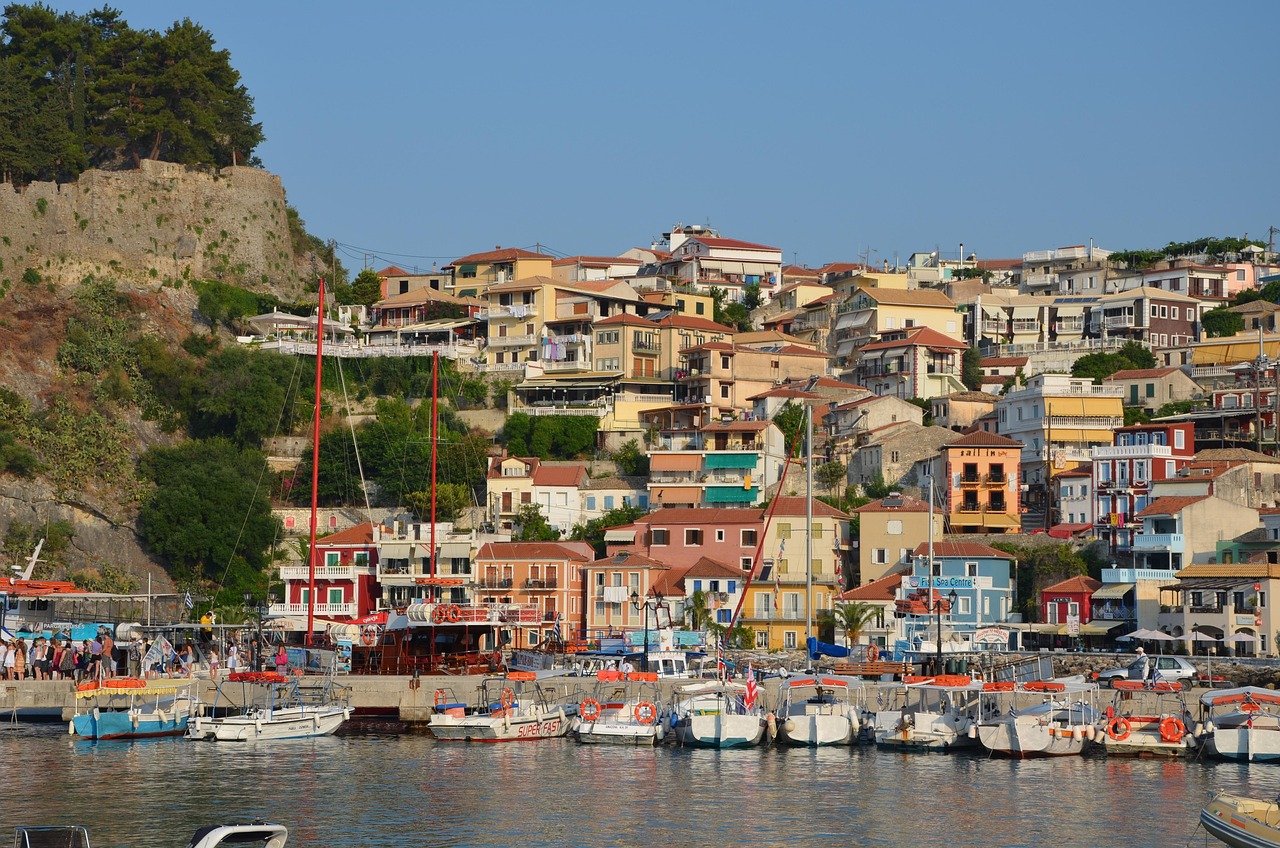
Most travellers picture Greece’s islands, but the Epirus region in the north tells another story – one of mountains, rivers, and timeless villages. Nestled between stone bridges and olive groves, places like Zagori and Ioannina offer hiking, rafting, and warm local hospitality.
Families can explore ancient paths once used by traders and shepherds, or join locals for hearty mountain meals cooked over open fires. Epirus is rich in culture and myth but without the crowds. For children, it’s a chance to connect nature and history, learning how communities thrive in remote landscapes through respect and cooperation.
Read our complete guide to Greece with kids here.
Slovenia
Small but astonishingly diverse, Slovenia is an eco-paradise. While Lake Bled draws many visitors, lesser-known spots such as Bohinj or the Soča Valley offer unspoilt adventures. Families can kayak on turquoise rivers, visit bee farms, and learn about the country’s long-standing commitment to green tourism.
Many villages offer farm stays where kids can help feed animals or gather fruit straight from the trees. Hiking trails are well-marked, and local guides often focus on teaching visitors about conservation. Slovenia is one of Europe’s best examples of how sustainability and family travel can blend seamlessly.
North Macedonia – unusual European holiday destinations
This small Balkan country is often overlooked, yet it offers history, beauty, and heart in abundance. Lake Ohrid, one of Europe’s oldest and deepest lakes, is a stunning setting for family adventures – swimming, kayaking, and exploring ancient monasteries that line the shore.
In the capital, Skopje, quirky sculptures and street markets make it a fun and educational stop. But it’s the countryside that truly shines: mountain villages, vineyard tours, and friendly guesthouses offering homemade rakija (for adults) and delicious local food. North Macedonia’s hospitality feels old-fashioned in the best possible way – genuine and full of pride.
Ukraine – the gateway to Bukovel and beyond
While much of Ukraine remains off-limits due to the ongoing war, the western region near Bukovel, close to the borders with Poland, Slovakia, and Romania, is considered safe and stable for visitors. This Carpathian Mountain area is known for its ski resorts, alpine scenery, and welcoming mountain culture.
With the winter season approaching, Bukovel is emerging as a potential destination for travellers seeking to support Ukraine responsibly while enjoying outdoor activities. The slopes here are well maintained, and the region offers spa hotels, hiking routes, and traditional Hutsul villages known for their crafts and music.
Visiting this part of Ukraine provides a meaningful opportunity to help sustain local economies affected by the wider conflict. However, always check current travel advisories and ensure you get specific travel insurance to Ukraine, which explicitly covers the region before booking. For those who do visit, it’s a powerful experience of solidarity and connection – seeing a nation’s spirit through the warmth of its people.
Travelling with awareness
When exploring Europe’s lesser-known regions, preparation and respect are key. Remote areas may have limited healthcare or fewer travel facilities, so comprehensive travel insurance is essential. Check your policy for cover on activities like hiking, cycling, or skiing, and confirm inclusion for destinations under special advisories, such as parts of Ukraine.
Even humanitarian or cultural visits require appropriate cover and awareness of local safety updates. Travelling responsibly ensures your journey remains positive for both you and the communities you meet.
Travel with heart – unusual European holiday destinations
Choosing to travel off the beaten path in Europe means stepping into stories still unfolding. It’s about meeting people who share their traditions with open hearts and discovering that tourism, when done thoughtfully, can uplift as much as it inspires.
Every small act of kindness, every choice to support a local business, adds up to something powerful. So pack curiosity, compassion, and an open mind – Europe’s hidden corners are waiting, and their stories deserve to be heard.