Going on an Australia road trip is a great way to see the country’s unparalleled beauty up close. From its wide array of coastal towns to its outstanding natural landscapes, there’s much to see and do whichever direction you go in the Land Down Under.
While Australia’s road network and infrastructure are world-class, don’t be fooled. Australia’s land mass is massive and sprawling, and it’s easy to get lost or miss out on hidden treasures while driving through its expansive coast.

If you want to ensure that your upcoming Australia road trip goes through without a hitch, then you’re in the right place. We’ll dig deep and provide you with some useful tips to make sure that your road trip is truly one for the books.
Here are some tips for going on a coastal Australia road trip.
Table of Contents
1. Plan your route in advance
While spontaneous moments can be a whole lot of fun, you shouldn’t start your Australia road trip without any semblance of a plan.
Doing this can lead you to miss out on potential highlights or delay your trip’s end, which isn’t the most practical or optimal way to go about things when you’re visiting locations you’ll probably not see again in a long time.
You don’t have to schedule your road trip by the hour. Find a balance by leaving room for some impulsive moments while dedicating portions of the day to cultural highlights or visits to spots that interest you.
Furthermore, you should include rest areas along your route so you can take a break. Fuel stations and accommodations should be noted before you set out on your road trip.

While Australia’s coastline typically has a few towns sprinkled here and there, they can be farther apart the farther away you are from major cities and townships. On top of that, some towns may not have the facilities you’re looking for, which can lead to big problems if you run out of fuel or can’t find accommodation when the sun is setting.
In any case, it’s essential to have a route in mind to add structure to your journey, especially on a long-haul trip like Melbourne to Sydney. With this plan and extra contingencies for good measure, you can keep your journey realistic, exciting, and grounded.
2. Choose the optimal vehicle for your Australia road trip
Another helpful piece of advice for preparing your upcoming road trip is to choose the vehicle that best suits your needs.
Your personal vehicle is typically an excellent choice for a road trip, since you’re already accustomed to it.
However, in a few exceptional cases, its specs can’t handle the trip’s needs—particularly if the car is small, if you’re passing through an off-road or remote track, or if you’re bringing a larger group of people who can comfortably fit in your car.
Furthermore, not everyone has their own personal vehicle. In such cases, you have several options. If you don’t own a car but are planning to get one soon, you can speed up the vehicle acquisition process by getting a bad credit car loan in Melbourne to access a vehicle sooner rather than later.
If you don’t intend to own a car but still want to reap the benefits of driving one, then you can consider leasing a vehicle from one of Australia’s many car rental shops. You can also consider letting your friend contribute their vehicle and take turns driving as an act of fairness.

In any case, it’s a good idea to pick a good vehicle in working condition before you head out on your road trip. This way, you’ll have a lower chance of encountering problems during the road trip, which can ruin the fun and smoothness of the journey quite significantly.
3. Check the Weather and Road Conditions
While the weather outside your city or town may look and feel great, the sad truth is that these excellent conditions can change at any moment on your Australia road trip. This is especially true along Australia’s coast and mountains, where rain can appear or the temperature can drop in just a few quick moments.
As this is the case, it’s crucial to check the weather app for updates along your route. If it’s forecasted to be rainy or foggy on mountainous roads, it may be best to plan a detour or traverse the pass at another time to stay on the safe side.
Furthermore, road conditions can be hit or miss the farther away you are from civilisation. Some roads can be flood-prone or be obstructed by landslide debris, for instance. As this is the case, it’s essential to be updated on road closure notices and terrain to ensure that you can actually traverse the locations you’re planning to go to.
By staying informed on the weather and road conditions, you can proceed with your road trip with confidence and ease. In turn, this can help you enjoy your road trip safely and as prepared as possible.
4. Keep an Emergency Kit
Another essential thing to keep in mind when travelling the roads of Australia is to have an emergency kit handy and readily accessible.
Even if you have meticulously planned your road trip to drop by pit stops to restock on goods, it’s possible to encounter situations that you didn’t account for while on the road.
In such cases, having an emergency kit can be a lifesaver. This little addition to your road trip kit can help you respond to a variety of scenarios on the road, helping you get back on track if anything goes wrong.
This kit should ideally include a first-aid box, jumper cables, a spare tyre, and a flashlight. It should also include spare water bottles, snacks, and thermal blankets. Electronic goods like a power bank and a GPS navigation device are also very handy.
Even if you don’t end up using these items, having them with you can give you peace of mind while travelling the great Australian outdoors. It allows your mind to focus on enjoying your Melbourne road trip instead of worrying about the “what-if” scenarios that you can’t back out of once you find yourself amidst them.
5. Avoid driving at night to avoid hidden dangers
One final tip is to avoid driving on coastal roads once the sun has set. Driving in the dark can be incredibly risky, especially if you’re traversing unfamiliar, winding roads in remote areas.

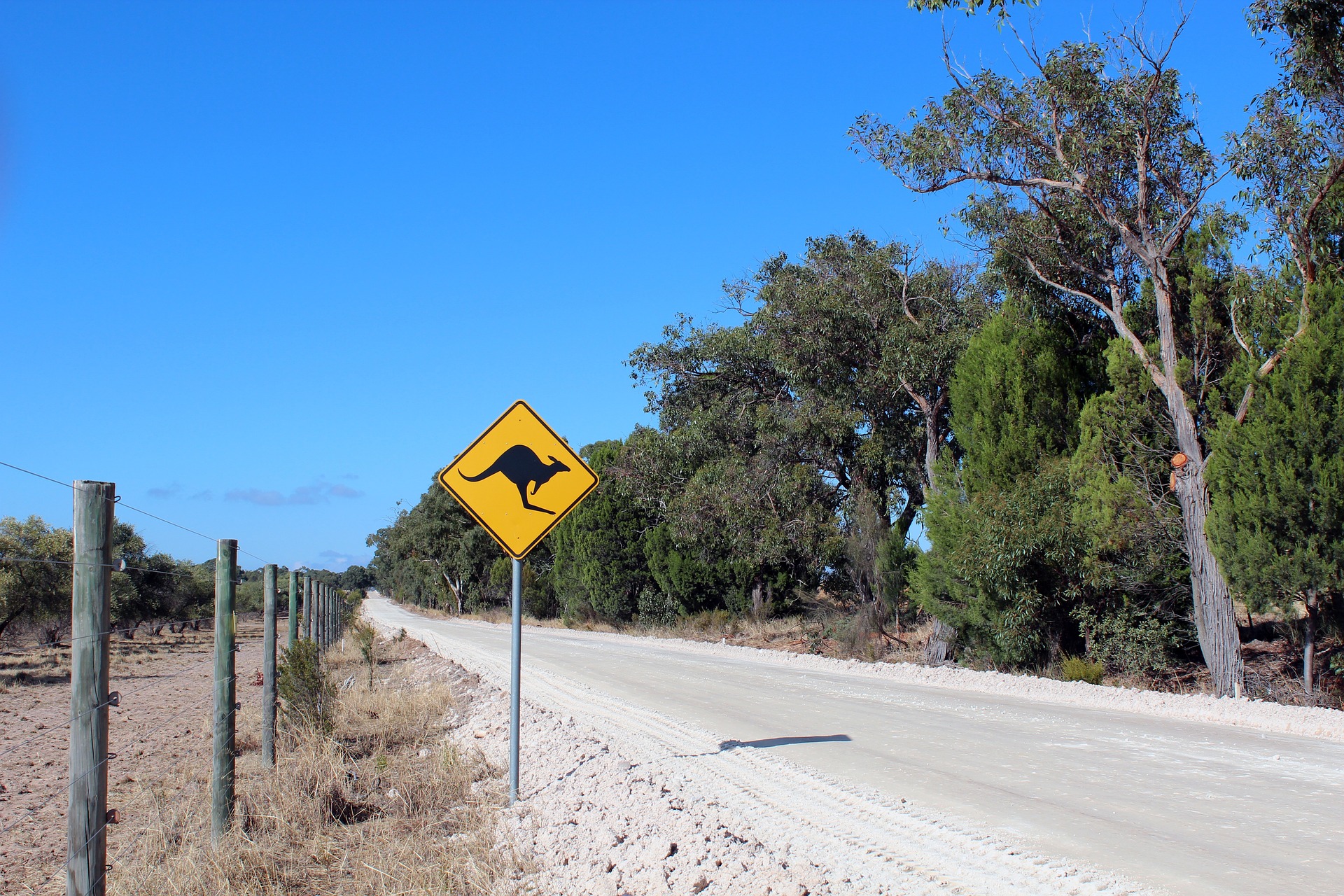
Not only is there a risk of collision when driving in the dark, but you also risk endangering local wildlife, as there are many Australian animals like kangaroos and wombats that come out during the dark to hunt and roam. You may find it too late to hit the brakes and cause an accident, which can be a big derailment to your road trip.
To tread on the safe side of a multi-day road trip, set a hard stop time limit on when you should avoid night driving. Once you’ve reached this time, go to your accommodation, walk around town, and refuel your vehicle.
The day is done when darkness falls—respect it. You can always drive when it’s bright and beautiful out.
We hope these tips can help you plan the perfect Australian road trip.