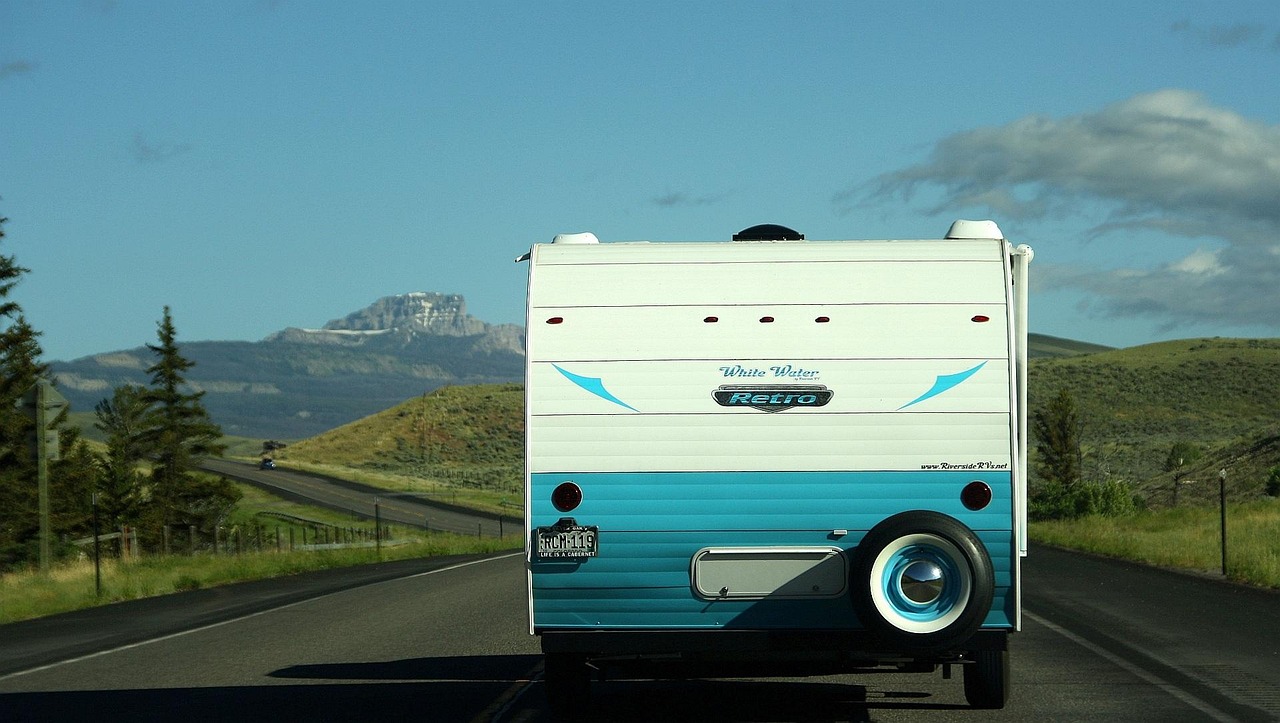
There’s something magical about hitching up your caravan and heading off to explore Europe at your own pace. No rigid itineraries, no overpriced hotels, just freedom to wake up beside a Spanish beach one morning and a French vineyard the next. Yet for many UK caravanners, planning a caravan trip overseas feels daunting in ways domestic touring never did.
The prospect of navigating foreign roads, understanding different regulations, and managing potential breakdowns far from home understandably creates hesitation. However, thousands of British families discover each year that European caravanning is not only achievable but often becomes their preferred way to holiday once they’ve mastered the basics.
Table of Contents
1. Planning a caravan trip – Sort your documentation well in advance
Nothing ruins departure day quite like discovering your passport expired last month or realising you’re missing crucial vehicle documents at the ferry terminal. Start this process at least two months before departure to avoid last-minute panic.
Your essential checklist should include valid passports for everyone travelling, your vehicle’s V5C registration certificate, and proof of MOT if your tow car is over three years old.
You’ll also need your full UK driving licence, though older all-green licences without photos no longer meet EU standards. Updating to a photocard licence or carrying an International Driving Permit solves this issue before it becomes a problem when planning a caravan trip.
Post-Brexit changes mean you’ll need to display a UK identifier on your vehicle rather than the old GB stickers.
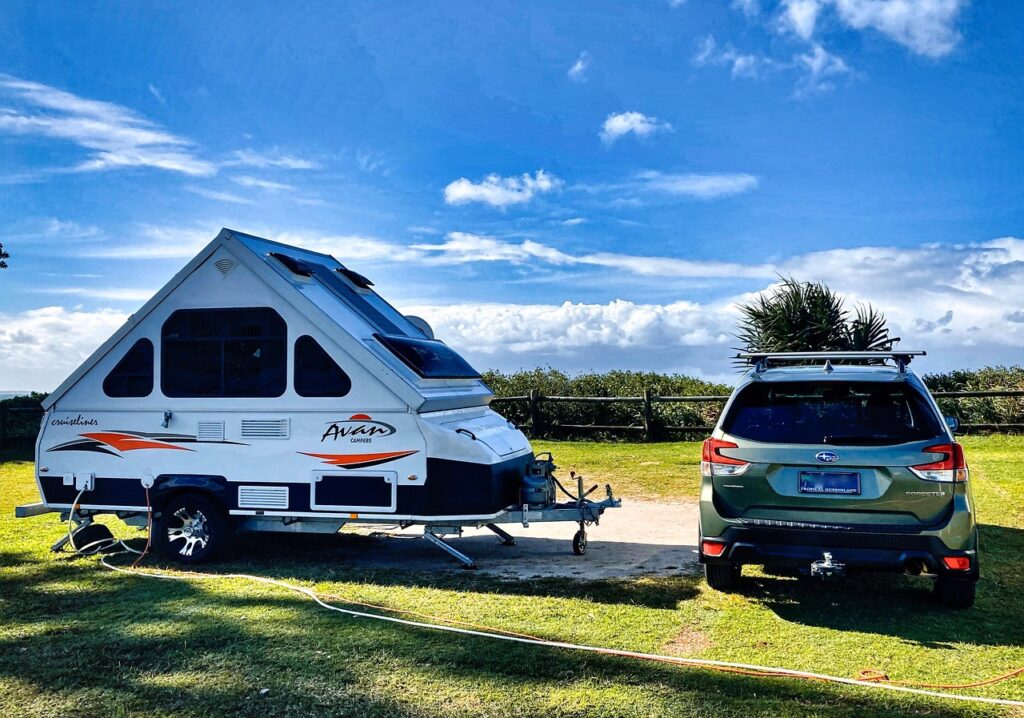
Most UK insurers now provide automatic European cover, but you must verify this and understand any limitations on trip duration.
Keep copies of all documents separate from the originals, and notify your credit card providers of your travel dates to prevent cards from being blocked for “suspicious activity” at French toll booths.
2. Invest in proper insurance and breakdown cover
Standard travel insurance and breakdown services often provide minimal coverage once you cross the Channel, leaving you potentially exposed when things go wrong far from home.
Specialist caravan insurance and European breakdown cover aren’t just recommended extras when planning a caravan trip – they’re essential protection where recovery and repair costs can quickly spiral into thousands of pounds.
Your caravan insurance needs to explicitly cover European touring for the duration of your trip, which typically caps at 90 or 180 days, depending on your policy.
Beyond basic cover, consider whether your policy includes new-for-old replacement if your caravan is written off, coverage for personal belongings inside, and protection against storm-related incidents.
Breakdown cover becomes even more critical abroad because you can’t just pop the caravan in your garage while you source parts.

Comprehensive policies should offer vehicle recovery, accommodation if repairs take time, and either caravan storage or help continuing your holiday.
The best policies will repatriate both you and your outfit if repairs can’t be completed in a reasonable time.
If you’re travelling outside of Europe, like Australia, using localised specialised providers like NRMA Insurance can help with those caravan emergencies if they may arise.
3. Prepare your outfit thoroughly
Mechanical problems abroad are frustrating, expensive, and often avoidable through proper preparation. Have your caravan and tow vehicle professionally serviced at least a month before your trip to address any issues that may arise, rather than facing last-minute cancellations.
Mechanics should pay particular attention to tyres on both your car and caravan, since long motorway miles in continental heat can expose weaknesses.
Check tread depth exceeds legal minimums, examine sidewalls for damage, and verify pressures match recommended specifications. Don’t forget your spare tyre either – discovering a flat spare when you need it defeats its entire purpose.
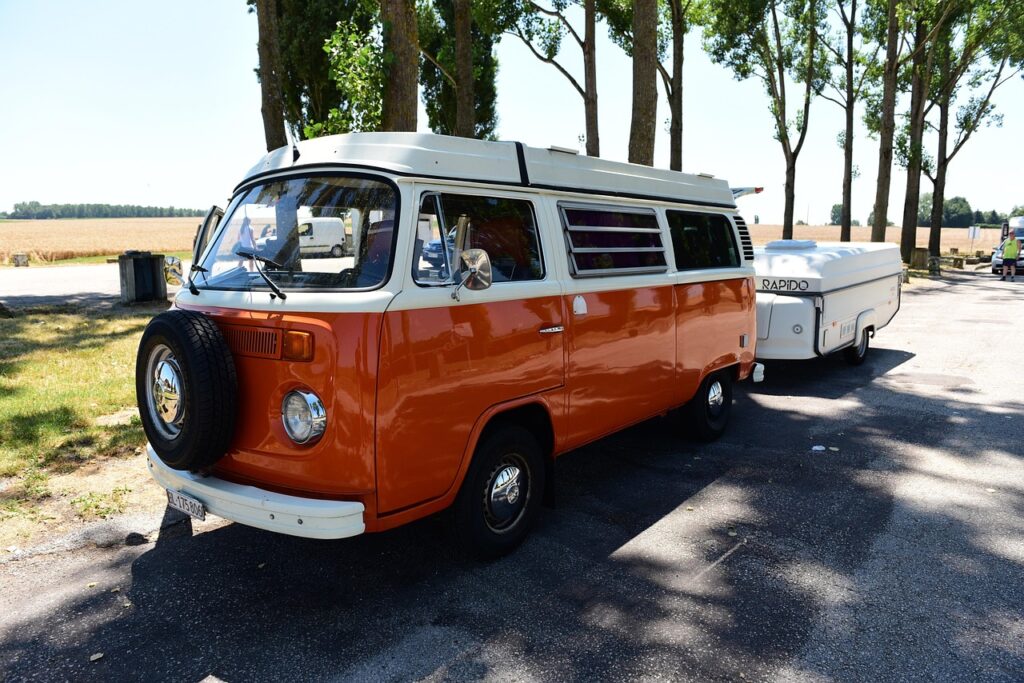
Your caravan’s gas and electrical systems need checking too, since European hook-up points sometimes have different configurations to those on UK sites. Pack adapters for continental two-pin sockets, even though many sites accommodate UK three-pin plugs.
Safety equipment requirements vary by country, so research what you’ll need for every nation you’ll pass through.
France requires high-visibility vests accessible from inside your vehicle, breathalysers, warning triangles, and headlamp beam deflectors. Other countries have their own requirements, so checking comprehensive lists prevents unpleasant surprises.
4. Plan your route and crossings strategically
Route planning for European caravan touring requires more thought than simply pointing your sat-nav at a destination, because software doesn’t always account for caravan-specific restrictions. Taking time to plan properly pays dividends in smoother travel and lower costs.
Ferry and Eurotunnel crossings represent your first major decision, with choices between shorter Dover-Calais routes versus longer sailings to different French ports. Shorter crossings cost less but require more continental driving.
At the same time, longer sailings drop you closer to southern destinations but command premium prices.
Book crossings well in advance for better prices and guaranteed space, as peak summer periods fill up weeks in advance. Some operators offer Club member discounts worth checking before booking.
Once on the continent, resist the temptation to cover huge distances daily. Planning realistic mileage that accounts for rest breaks prevents exhaustion and makes the journey enjoyable. Most experienced tourers suggest limiting daily driving to 200-250 miles.
Motorway tolls across France, Spain, and Italy add up quickly when towing, so researching charges beforehand lets you budget accurately. Pre-book at least your first night’s campsite to guarantee somewhere to rest after crossing. The Caravan Club offers over 350 European campsites across 17 countries, with sites near motorway junctions for convenient overnight stops.
5. Understand International driving rules
Continental driving customs differ significantly from UK norms, with rules varying from country to country, catching unprepared tourists off guard. Researching specific requirements for every country you’ll visit prevents fines and stress.
Driving on the right represents the most obvious adjustment. Yet, the first few miles after boarding a ferry demand extra concentration, particularly at roundabouts, where ingrained British habits try to reassert themselves.
Speed limits when towing vary dramatically between countries. France limits caravans to 90 km/h on dual carriageways, while Germany’s limits change depending on vehicle weights.
Spain, Italy, and Portugal each have their own systems, so checking specific limits prevents accidental speeding.
Priority rules differ, too, with many continental countries giving priority to traffic entering from the right at unmarked junctions. This “priorité à droite” rule catches British drivers off guard because we’re accustomed to main roads having automatic priority.
Low-emission zones in major cities now require clean-air stickers and permits to enter places like Paris or German city centres. Securing proper environmental classification stickers before departure prevents penalties.
6. Pack smart and stay flexible
Packing for European touring requires balancing familiar comforts against managing weight limits and storage space.
Your caravan’s payload limit represents a hard maximum you can’t safely exceed, so knowing this figure and staying below it matters more than squeezing in every possible item.
Essential items include spare parts and basic tools that might prove difficult to source abroad – caravan-specific bulbs, fuses, water pump components, and special equipment your outfit requires. Pack a basic toolkit rather than assuming you’ll find British-specification parts in rural France.
Clothing choices benefit from the layering principle, since European sites often have excellent washing facilities. Quick-dry materials save space compared to heavy cotton clothing.
Flexibility in both packing and planning separates enjoyable tours from frustrating ones. Weather changes, unexpected closures, or discovering somewhere you’d like to stay longer all require adapting plans. Building slack into your itinerary rather than booking every night in advance allows spontaneous decisions.

Making your European adventure reality
European caravan touring offers incredible freedom and memorable experiences that hotel-based holidays can’t match. The adventure becomes more accessible once you’ve sorted the practical essentials rather than letting worries prevent you from going.
Remember that thousands of British caravanners tour Europe successfully every year, many becoming so enthusiastic that they spend entire summers exploring. With proper preparation, appropriate insurance, and a flexible attitude, your caravan can open up a whole continent of possibilities.