
Exploring the Opal Coast France with kids.
Far from simply a day trip from the UK, a visit to Calais and Boulogne can offer much for a family looking for a weekend away or longer.
We travelled to this region having only ever passed through it before and it was a revelation.
Table of Contents
About the Opal Coast, France
*AD / This post contains affiliate links and I may also have been compensated or gifted in this post. To read more please see my Disclosure Policy.
The coastline from Calais down towards Boulogne and beyond is known as the Opal Coast (Côte d’Opale).
Over 75 miles of craggy coastline and golden beaches stretching from the Belgian border down to Picardy.
With the white cliffs of Dover very visible on a clear day (it’s just 21 miles across the channel) this is an easy region to jump on the ferry or Eurotunnel and visit.
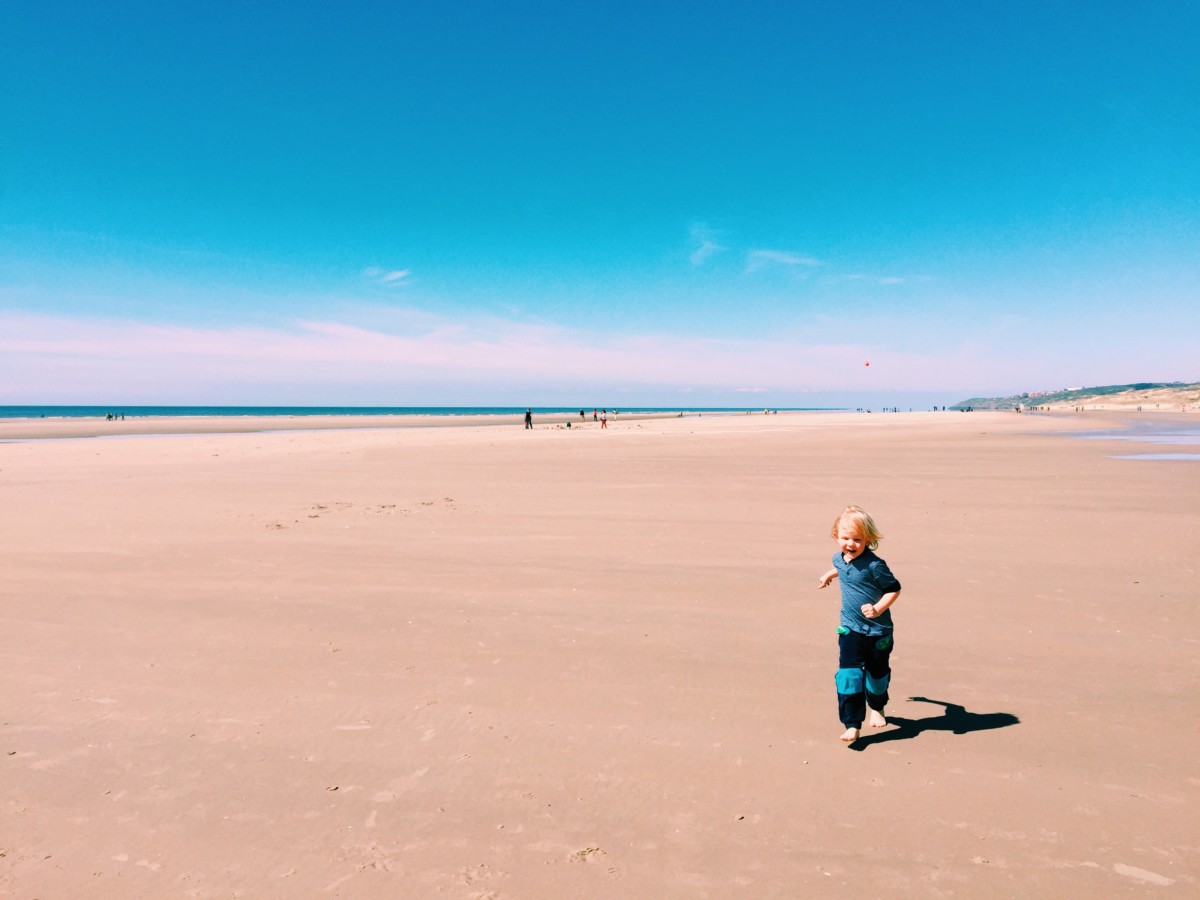
What was most unexpected to us was the beautiful beaches along this whole stretch.
Staying
We were staying at the Hotel du Parc in Hardelot, a few miles outside of Boulogne and fell in love with the beach here.
The beaches – The Opal Coast, France
Our youngest two children almost immediately kicked off their shoes to run bare feet across the sand. Whilst the oldest spent time collecting shells and sea treasures.
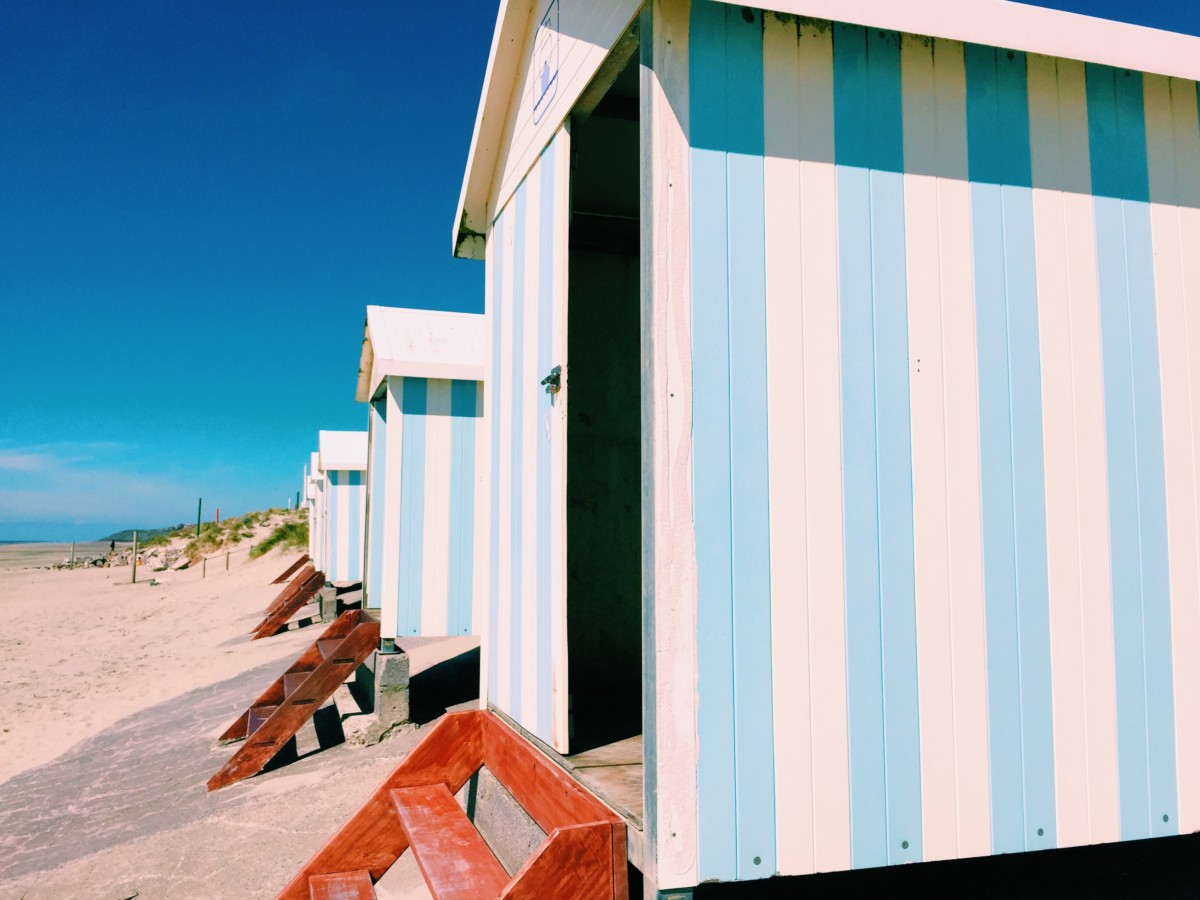
We sat on the wooden steps of the mint candy-striped beach huts. Feeling the warm late spring sunshine on our faces as the children played in the sand happily.
It felt like holidays of yesteryear and somewhere to breathe deeply and really relax.
History in the area
There’s plenty of history in this area when the need to get exploring takes over.
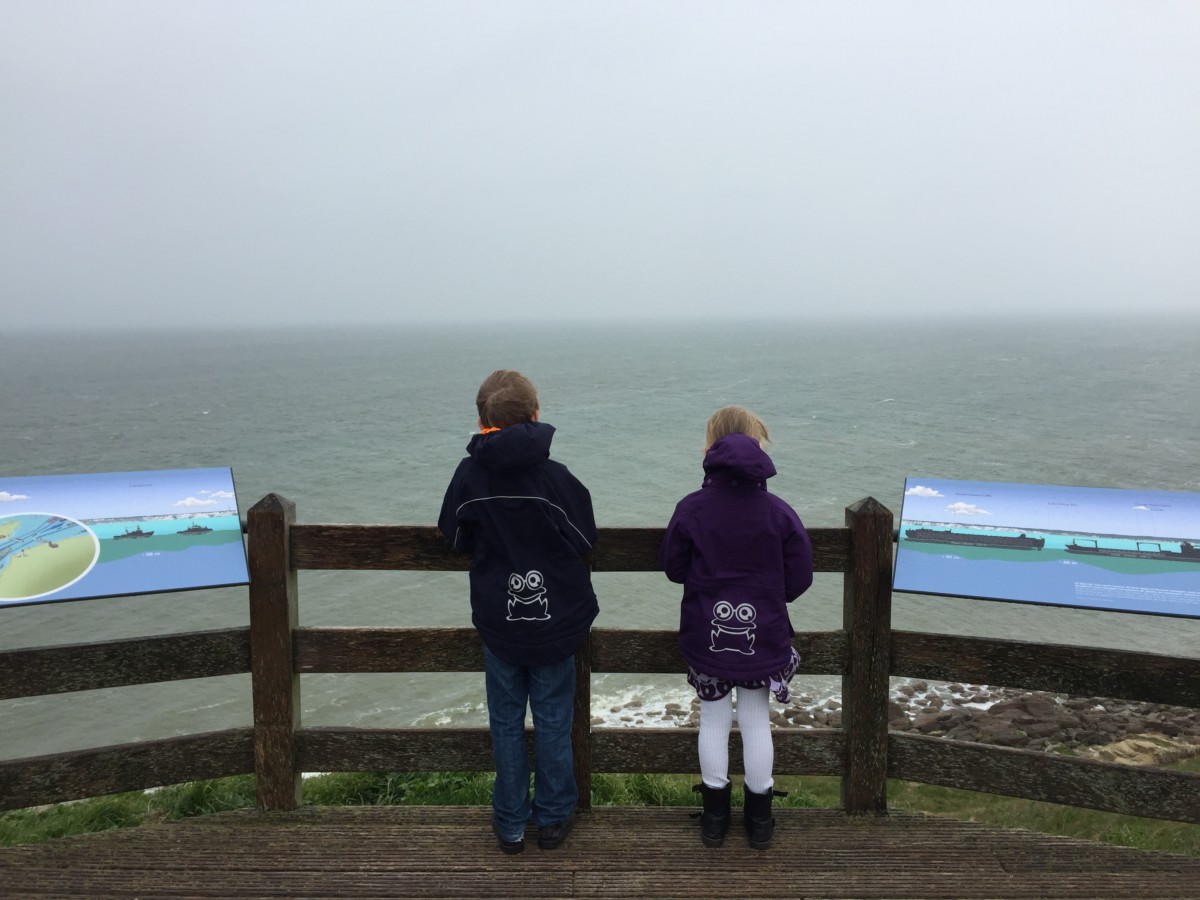
The whole of the Opal coast line is littered with remnants of the Second World War starting with Cap Gris Nez (literally ‘cape grey nose’). This is the closest spot to the UK.
We gazed across the water, the sky cloudy on an overcast day, and imagined what it must have been like during wartime, guns here pointed across the sea.
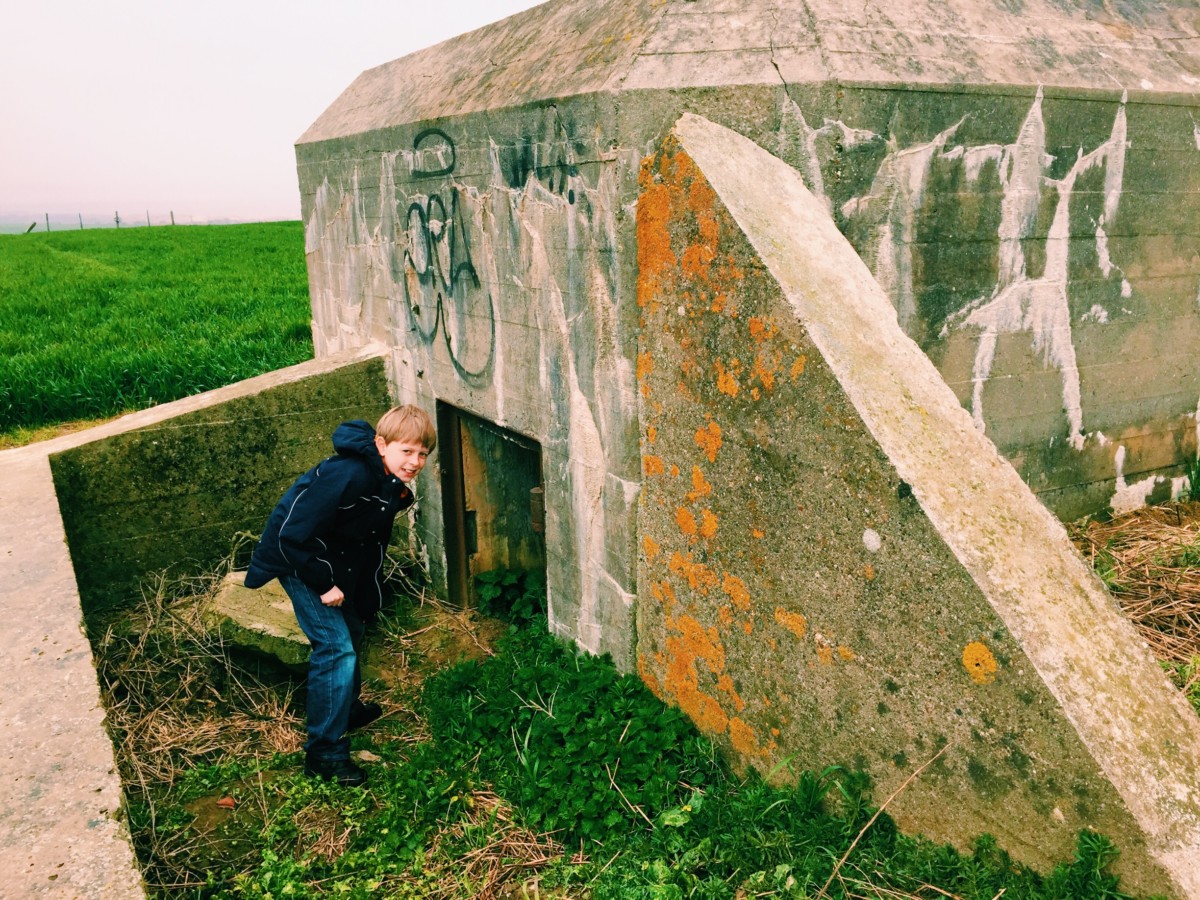
We also climbed in to one of the abandoned German bunkers that are all over the landscape here. They are permanent reminders of the time this area was occupied by the Nazis.
But the history goes back much further than the Second World War.
We stopped off in the old town of Boulogne to explore the fortified town and a run about the ramparts.
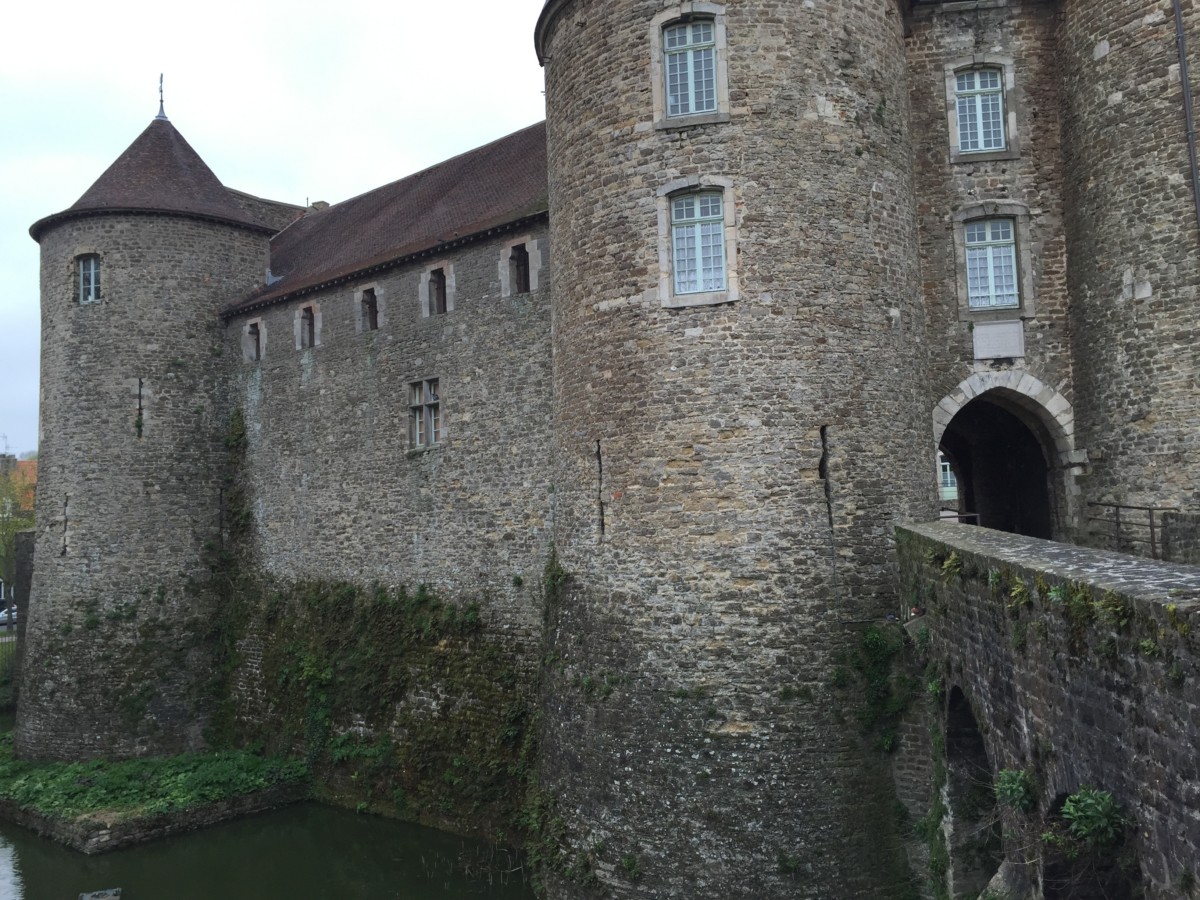
We really enjoyed Boulogne. With streets lined with old-fashioned sweet shops and boulangeries and city walls to walk around.

Aquarium – Opal Coast, France with kids
Aside from the history there’s plenty for families in the Opal Coast if the weather takes a turn. We enjoyed a great morning of fun at Nausicaā, the fantastic aquarium just outside of Boulogne.
Here there is everything from sharks to jellyfish and sea anemones to penguins.
We all had a great time exploring the different underwater scenes.

Shopping – Exploring the Opal Coast France with kids
Driving back along the A16 we couldn’t help but stop off at Cite Europe, the big out-of-town hypermarket and shopping centre.
The days of big bargains from French hypermarkets is all but over but if you check your prices carefully there can still be some deals, particularly with coffee, wine and chocolate.
Our favourite buys though were violet sweets, packs of honey lozenges and bags of croissants to enjoy back at home in England.
Heading home
And then we were back on the ferry and heading home on the 90 minute journey across the channel. Exhausted after a few days of fun and exploration.
This is such an easy area of France to get to from the UK and the Opal Coast really does deserve more than a cursory glance while passing through.
Fun facts about France’s Opal Coast
Here are some interesting facts about France’s Opal Coast (Côte d’Opale):
General Information:
- The Opal Coast is a 75-mile stretch of coastline in northern France, facing the English Channel.
- It is located in the Hauts-de-France region, covering Pas-de-Calais and part of Nord.
- The name “Opal Coast” comes from the way the light reflects on the sea, creating opalescent colours.
- The coast is famous for its dramatic cliffs, sandy beaches, and dunes.
- It is a popular tourist destination, especially for visitors from France, Belgium, and the UK.
Geography & Nature:
- The two most famous cliffs are Cap Blanc-Nez (134 meters high) and Cap Gris-Nez (50 meters high).
- On clear days, you can see the White Cliffs of Dover in England from Cap Gris-Nez.
- The area is part of the Parc Naturel Régional des Caps et Marais d’Opale, a regional nature park.
- The Opal Coast is home to diverse wildlife, including seals, migratory birds, and marine life.
- The Bay of Wissant, between the two caps, is a famous spot for windsurfing and kitesurfing.
Historical Significance:
- The Opal Coast played a key role in World War II, with remnants of German bunkers still visible.
- The Battle of Boulogne (1940) was a major WWII battle fought in Boulogne-sur-Mer.
- The area was a key point for Operation Fortitude, the Allied deception plan before D-Day.
- The Opal Coast was used as a launch site for German V1 and V2 rockets aimed at London.
- Dunkirk, at the eastern end of the Opal Coast, was the site of the famous Dunkirk evacuation (1940).
Cities & Towns:
- Boulogne-sur-Mer is the largest city on the Opal Coast and is home to Nausicaá, one of Europe’s biggest aquariums.
- Calais is famous for its ferry port, connecting France to Dover, England.
- Le Touquet-Paris-Plage is a chic seaside resort, often visited by French elites and British tourists.
- The town of Wissant is known for its charming fishing village atmosphere.
- Berck-sur-Mer hosts an annual International Kite Festival, attracting competitors from around the world.
Culture & Cuisine:
- The Opal Coast is known for its seafood, especially mussels, herring, and scallops.
- Welsh rarebit, a dish of melted cheese on toast, is popular in the region due to British influence.
- The area is famous for artisan cheeses like Marolles and Vieux Boulogne.
- The traditional fishing technique of “flobart” boats is still practiced in some villages.
- Many artists, including J.M.W. Turner, painted the landscapes of the Opal Coast.
Other posts about France:
The best family holidays in northern France



I know France so well, but like you this is a region that I’ve only ever travelled through. I’m putting it on my bucket list for a long weekend break some time – it looks so interesting, and mega-easy to reach.
I hope you make it there Nell, we were so impressed, particularly by the beaches at Hardelot which were beautiful. Like you say it’s so easy to get to from the UK as well, we’ll definitely be back.